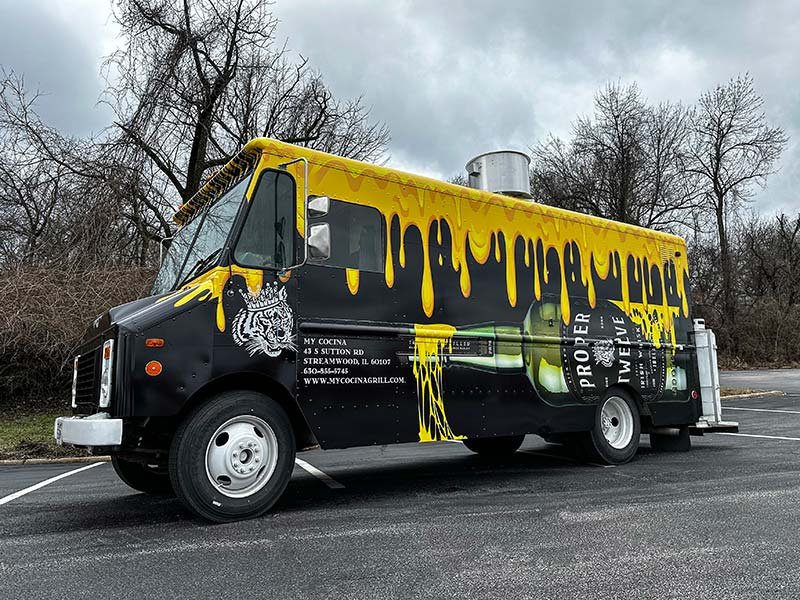
A vehicle can do more than get you from one place to another. For businesses, it can become a moving billboard that works during the morning commute, while parked outside a job site, or even sitting in the driveway. That’s one reason vehicle wraps have become such a popular marketing option for companies of all sizes.
Unlike traditional advertising, a wrapped vehicle doesn’t need a monthly media slot or a fixed location. It simply travels wherever the business goes. And honestly, there’s something appealing about advertising that feels less intrusive. People see it naturally as they go about their day.
Why Vehicle Wraps Are More Than Just a Fresh Look
At first glance, wrapping a vehicle might seem mainly about appearance. A bold color, sharp graphics, company logo and contact information can certainly make a van or car look much better. But the real value goes deeper.
A well-designed wrap can build brand recognition over time. Someone might see the same company vehicle several times during their weekly routine. Eventually, the logo, colors or business name become familiar. That familiarity can matter when the person eventually needs the service being advertised.
For local businesses, this can be particularly useful. A plumber, landscaper, electrician, cleaning company or catering business can reach people in the exact communities where it operates. There’s no need to explain where the company works—the vehicle is already there.
Truck Wraps Give Large Vehicles a Marketing Advantage
Large commercial vehicles have something smaller cars simply don’t: space. A pickup truck, box truck or work vehicle offers broad panels that can carry a message without making the design feel cramped.
That’s where truck wraps can make a noticeable difference. A business can use the available surface to display its logo, services, website, phone number and perhaps a short slogan. The trick is knowing when to stop. Trying to squeeze an entire brochure onto a truck usually makes the design harder to read.
Think about a truck passing you on a busy road. You may only have a few seconds to notice it. The company name should be obvious. The main service should be easy to understand. Contact details need to be large enough to read without effort.
Good vehicle advertising isn’t about throwing every piece of information onto the surface. It’s about choosing what people actually need to remember.
Trailer Wraps Can Turn Underused Space Into Branding
Trailers are another interesting opportunity. They often spend hours traveling between locations and may remain parked for long periods at construction sites, warehouses, events or customer properties.
A professionally designed trailer wraps solution can turn that otherwise ordinary space into a strong visual identity for a company. Since trailers typically have large, uninterrupted surfaces, they can accommodate creative designs, photographs, illustrations and branding elements particularly well.
For businesses that regularly tow equipment or transport products, this can be especially practical. The trailer becomes part of the company’s public image instead of looking like an afterthought.
Of course, spelling and grammar matter here. So does image quality. A blurry logo or tiny phone number can make an otherwise expensive wrap look rushed. Before production, businesses should carefully review every word, number and graphic.
What Makes a Wrap Look Professional?
Not every wrap gets the same results. Design quality plays a huge role.
A professional wrap generally starts with a simple visual hierarchy. The most important information gets the most attention, while secondary details support it. Brand colors should remain consistent, but contrast is equally important. A beautiful design that nobody can read from a distance isn’t doing much marketing work.
It also helps to consider the shape of the vehicle. Doors, handles, windows, wheel arches and body lines can affect how graphics appear. A design that looks perfect on a computer screen might not look quite right once it bends around a real vehicle.
This is why experienced designers usually create artwork specifically for the vehicle rather than simply stretching an existing logo across it.
Full Wrap or Partial Wrap?
Businesses don’t always need to cover every inch of a vehicle.
A full wrap provides maximum visual coverage and can completely change the vehicle’s appearance. It’s a strong choice for companies that want a bold, highly recognizable presence.
A partial wrap, on the other hand, can focus graphics on selected areas while leaving some of the original paint visible. This can reduce the overall cost while still providing plenty of branding space.
There are also simpler options such as decals and lettering. The right choice depends on budget, vehicle type, branding goals and how frequently the vehicle is used.
Choosing the Right Materials Matters
The quality of the vinyl and installation can have a major impact on how long a wrap looks good. Outdoor vehicles face sunlight, rain, dust, road grime and temperature changes, so durability isn’t something to overlook.
Professional installation is important too. Wrinkles, bubbles, uneven edges or poorly finished corners can quickly spoil the appearance of a wrap. A reputable installer should understand how different vehicle surfaces behave and how to work around difficult areas.
Maintenance is fairly straightforward. Regular washing helps remove dirt and road residue, while harsh chemicals and abrasive cleaning methods can potentially damage the finish. Following the installer’s care instructions is usually the safest approach.
A Moving Advertisement With Long-Term Potential
One of the biggest advantages of vehicle advertising is repetition. A digital advertisement may disappear when someone closes a page. A vehicle, however, can be seen again and again.
Imagine a local bakery delivering orders around the same neighborhood every morning. Or a roofing company driving between several nearby job sites. Each trip creates another opportunity for someone to notice the brand.
That doesn’t mean a wrap will magically produce customers. Marketing rarely works that simply. But when the design is memorable, the contact information is clear and the vehicle is regularly visible in the right areas, wrapping can become a useful part of a broader marketing strategy.
Final Thoughts
A good vehicle wrap is more than decoration. It combines design, branding and practical advertising into something people encounter naturally in everyday life.
Whether it’s a compact service car, a hardworking pickup truck or a large trailer, the basic principle stays the same: make the message clear, make the design memorable and make sure the quality reflects the business behind it.
Done thoughtfully, a wrapped vehicle can keep promoting a company long after the initial installation—and every trip can become another chance to be noticed.