It often starts with something small. You notice a chalky ring around the kitchen faucet, your shower screen never seems quite clean, or the water tastes a little different when you make your morning coffee. None of these things necessarily means there’s a serious problem, but they can be signs that your household water deserves a closer look.
Water quality varies from one property to another. The source, local geology, plumbing materials, and treatment process can all influence what comes out of the tap. That means the right solution for one home may not be the right one next door. Before buying a filter or replacing equipment, take a little time to understand what’s happening. A measured approach usually saves money and gives you a better chance of fixing the actual issue.
Why Those Marks Keep Returning
If you regularly scrub water stains on fixtures, only to see them return a few days later, hard water may be part of the explanation. Hard water contains dissolved minerals, mainly calcium and magnesium. When droplets dry on faucets, shower doors, sinks, and glassware, those minerals can remain behind as pale spots or a chalky film.
The same minerals can gradually contribute to scale inside showerheads, pipes, and water-using appliances. You might notice that soap doesn’t lather as easily or that cleaning takes longer than it used to. These are common frustrations, particularly in areas where groundwater naturally contains higher mineral levels.
Hard water isn’t generally considered a health concern simply because it contains calcium and magnesium. The issue is often practical: deposits can make surfaces harder to maintain and may affect the efficiency of some appliances over time.
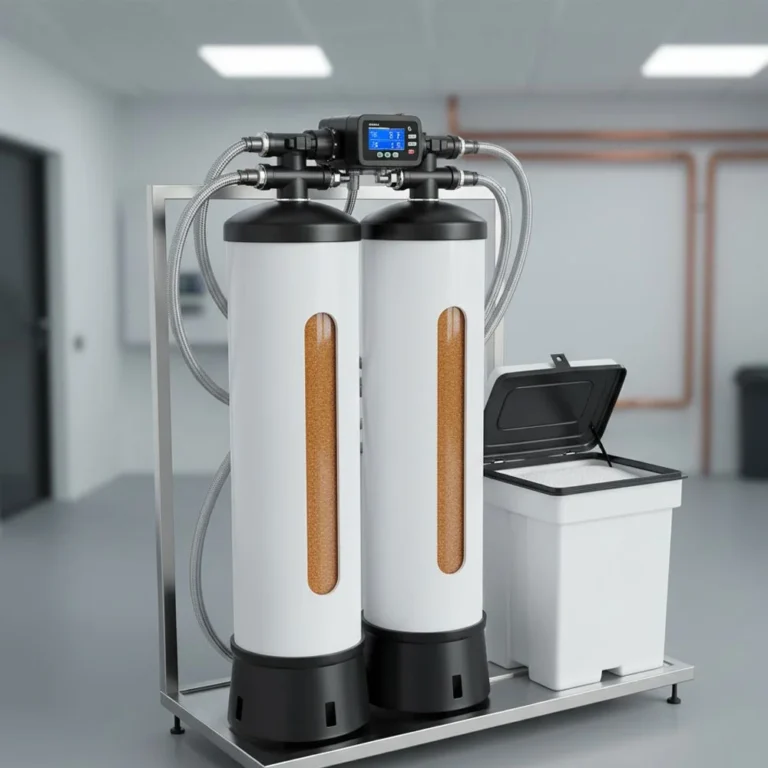
Start with a few simple habits. Wipe wet fixtures dry, improve ventilation in the bathroom, and use a cleaning product suitable for the surface you’re treating. If the deposits keep returning throughout the house, testing the water hardness can help determine whether a treatment system is worth considering. A salt-based water softener can reduce hardness minerals through ion exchange, although the right choice depends on household needs, water chemistry, and maintenance preferences.
Find Out What’s in Your Water First
It’s tempting to choose a treatment system based on a neighbor’s recommendation or an online review. That can be a useful starting point, but it isn’t a substitute for knowing your own water conditions. A metallic taste, for example, may have a different cause from a chlorine-like smell or a buildup of mineral scale.
A free water test offered by a water treatment company can be a convenient first step. Depending on the provider, the service may include basic measurements such as hardness, pH, chlorine, or total dissolved solids. Ask exactly what the test covers, whether it is performed on-site, and whether any additional laboratory analysis is available.
It’s worth understanding the limits of a basic screening. A single reading of total dissolved solids doesn’t identify every substance in the water, and a simple demonstration cannot confirm the absence of harmful contaminants. If you use a private well, have experienced a sudden change in water quality, or have a specific safety concern, a qualified laboratory can recommend more appropriate testing.
For homes connected to a municipal supply, the local water provider may also publish a water quality report. Reviewing that information alongside household observations can help narrow down the next steps. The goal is to make a decision based on evidence rather than buying equipment because a sales presentation makes the water look alarming.
Choosing Treatment That Fits the Problem
Once you understand the main concern, it’s easier to compare the available solutions. Different systems are designed for different jobs, and the distinction matters. A sediment filter can capture suspended particles such as sand, rust, and silt. Activated carbon can reduce chlorine taste and odor and may address certain other substances when the specific product is certified for that purpose. A water softener targets hardness minerals rather than acting as a universal purifier.
Some households need treatment at just one outlet. An under-sink drinking-water filter, for instance, may be enough when the main concern is the taste of water used for cooking and drinking. Other homes may benefit from a system installed on the incoming water line, particularly when a confirmed issue affects several taps.
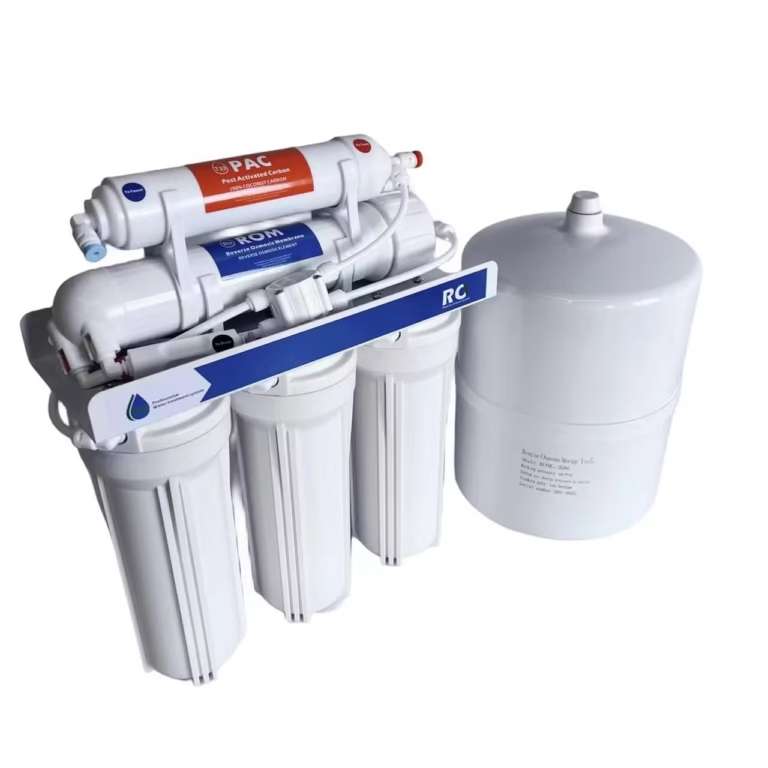
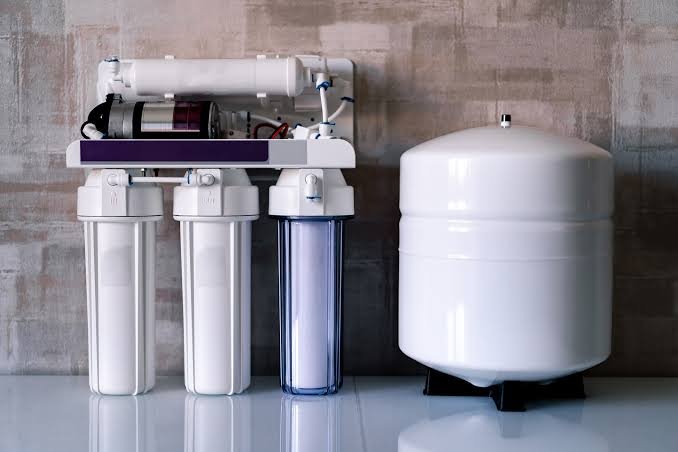
For more specific water quality concerns, advanced filtration options may include reverse osmosis, specialized adsorption media, or combinations of treatment stages. Reverse osmosis uses a semipermeable membrane to reduce many dissolved substances, while specialized filters are designed for particular contaminants. Their effectiveness varies by model, so check independent certifications and performance data for the substances you want to reduce.
More stages don’t automatically mean better water. A complicated system can add expense and maintenance without solving the issue that matters most. Choose equipment based on test results, household water use, and the manufacturer’s verified claims.
Think About Installation and Everyday Maintenance
A water treatment system isn’t a one-time purchase that can be forgotten after installation. Filters need replacing, softeners may require salt or servicing, and some systems need periodic sanitizing or membrane changes. If maintenance is missed, performance can decline, and water flow may become restricted.
Before buying, ask about cartridge availability, replacement costs, installation requirements, and service intervals. Check that the equipment can handle your household’s normal flow rate. A system that works fine when one tap is running may struggle if several showers and appliances operate at once.
Professional installation can be useful when the system involves changes to the main water line, drainage connections, or electrical components. After installation, follow the manufacturer’s flushing instructions and check for leaks. Keep a simple note of service dates; it’s an easy way to avoid forgetting when the next replacement is due.
Also pay attention to changes in water taste, smell, color, or pressure. These signs don’t always indicate a filter problem, but they can tell you when it’s time to investigate further.
Don’t Let Water Concerns Turn Into Guesswork
Water stains, unusual flavors, and recurring deposits can be annoying, especially when the same problem seems to return no matter how much cleaning you do. Still, the best response is rarely to buy the biggest system available. It’s to identify the concern, confirm it where possible, and choose treatment designed for that specific purpose.
If the water changes suddenly, looks unusual, or has an unfamiliar chemical odor, contact your water supplier or a qualified professional. When safety is uncertain, avoid drinking it until you receive appropriate guidance. Routine household symptoms can often be addressed with straightforward maintenance, but genuine contamination concerns require proper investigation.
Better water starts with informed choices. Understand your water source, ask clear questions about testing, compare treatment systems carefully, and maintain whatever equipment you install. That way, you can spend less time scrubbing stubborn deposits or worrying about an odd taste—and more time enjoying the simple comfort of water that suits your home’s needs.