Choosing a roof sounds simple until you actually start comparing materials. Suddenly, there are questions about lifespan, appearance, maintenance, weather resistance, cost, installation, and even the slope of the roof itself.
It’s easy to look at a few samples and choose the one that looks nicest. But a roof is not just a design feature. It has to deal with blazing sun, heavy rain, strong winds, falling debris, temperature changes, and years of everyday exposure. What works beautifully on one property may be a poor fit for another.
The best roofing decision usually comes from balancing practicality with personal preference. You want something that protects the building, fits the structure, and makes financial sense over the long term.
Start With the Building, Not the Material
Before choosing a roofing product, consider the building itself.
Roof pitch, structural design, local climate, drainage, ventilation, and existing materials can all influence what options are suitable. A steep residential roof has different requirements from a low-slope commercial structure.
Budget matters, of course, but the cheapest material isn’t always the least expensive choice over time. Maintenance, repairs, replacement frequency, and installation requirements can change the overall cost considerably.
It’s worth thinking beyond the initial invoice.
A roof that costs a little more upfront but lasts longer and requires less maintenance may provide better value. On the other hand, there’s no reason to pay for features you don’t actually need.
Why Asphalt Shingles Remain Popular
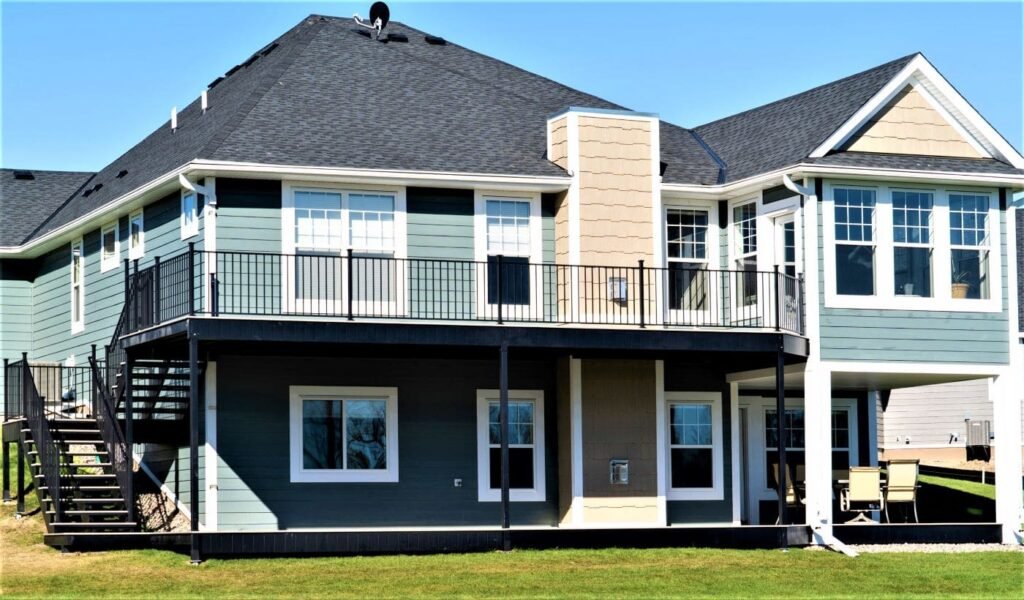
For many homeowners, asphalt shingles are familiar territory. They’re widely available, come in numerous colors and styles, and can work with many residential designs.
One of their biggest advantages is flexibility. Homeowners can often find options that fit both traditional and more contemporary houses without making the roof dominate the appearance of the property.
Different grades offer different levels of durability and performance, so it’s important not to treat all asphalt shingles as identical. Installation quality also matters. Poorly installed shingles can develop problems regardless of how good the product looked when it was purchased.
Regular inspections can help identify damaged or missing shingles before water finds its way underneath them.
Metal Roofing Has Come a Long Way
Metal roofs once had a reputation for looking strictly industrial. That’s no longer necessarily the case.
Today’s metal roofing comes in a variety of profiles, finishes, and colors. Some products are designed to resemble traditional roofing materials while offering the durability associated with metal.
Metal can perform well in areas exposed to harsh weather, and many systems are known for long service lives when properly installed and maintained.
There are trade-offs, though. Initial costs can be higher than some other roofing options. Expansion and contraction, fastening methods, underlayment, and ventilation all need to be considered during installation.
The important question isn’t whether metal is “better.” It’s whether it makes sense for your building, climate, and budget.
Flat Roofs Need Special Attention
A roof doesn’t have to be steep to protect a building effectively.
Flat roofing is common on commercial buildings, additions, garages, and some modern residential designs. Technically, many flat roofs have a slight slope that helps water move toward drains or other collection points.
Water management is particularly important with these systems. Ponding water, clogged drains, damaged membranes, and deteriorated flashing can create serious problems if they’re ignored.
Regular inspections are useful because issues can develop around penetrations, seams, edges, and drainage points.
A flat roof also often supports equipment such as HVAC units, vents, and other systems, which means maintenance work needs to be coordinated carefully.
Climate Should Influence Your Choice
Weather is one of the biggest factors in roofing performance.
A property in a region with intense heat may have different priorities from one exposed to frequent snow, heavy rain, or high winds.
Sunlight can accelerate deterioration in some materials. Freeze-thaw cycles can create stress. Heavy rainfall puts greater demands on drainage. Coastal or storm-prone areas may require careful consideration of wind resistance and fastening.
Ask roofing professionals about how different materials perform in your local conditions rather than relying solely on general product claims.
Your roof has to survive your weather—not somebody else’s.
Don’t Ignore Ventilation
Ventilation is easy to overlook because it isn’t something you see from the street.
Proper attic ventilation can help manage heat and moisture, depending on the building design and climate. Poor ventilation may contribute to condensation, damp insulation, uncomfortable attic temperatures, and premature deterioration of certain roofing components.
If you’re replacing an existing roof, it’s a good opportunity to evaluate ventilation at the same time.
Simply installing new materials over an unresolved underlying problem isn’t necessarily a long-term solution.
Installation Quality Matters as Much as Material
Even an excellent roofing material can perform poorly when installation is careless.
Roofing involves details that may not be obvious once the job is finished. Flashing around chimneys and vents, valleys, edges, penetrations, underlayment, fasteners, and ventilation all need to be handled properly.
This is why choosing a contractor based solely on the lowest estimate can be risky.
Ask what the installation includes. Find out how the contractor handles flashing, ventilation, old material removal, cleanup, and unexpected structural damage.
A clear proposal is usually a good sign.
Maintenance Isn’t Optional
Every roof needs some attention eventually.
That doesn’t mean constant inspections or endless repairs. It means keeping an eye on the condition of the system and responding when something changes.
After major storms, check for obvious damage from the ground. Keep gutters and drainage paths clear. Trim branches that hang dangerously close to the roof. Look for water stains in the attic or upper rooms.
If you notice something unusual, investigate it rather than waiting.
A small maintenance issue can be considerably cheaper to address than a long-term moisture problem.
Think About Roof Color, Too
Color may seem like a purely aesthetic decision, but it can influence how the roof looks and, depending on the material and climate, how much solar heat it absorbs.
Darker roofs can create a strong, traditional appearance, while lighter finishes may provide a different visual effect and can be appealing in warmer climates.
Still, don’t choose a color in isolation. Consider the siding, trim, brick, stone, landscaping, and surrounding architecture.
A roof should complement the house rather than compete with it.
Compare Warranties Carefully
A warranty can provide useful protection, but homeowners should read the details rather than simply noticing the number of years advertised.
Some warranties cover materials but not workmanship. Others have specific maintenance requirements or limitations.
Ask what is actually covered and who is responsible if a problem occurs.
Understanding the warranty before installation is much better than trying to understand it after something goes wrong.
Don’t Rush a Major Roofing Decision
Roof replacement isn’t usually something you want to decide in an afternoon.
If your current roof is aging but isn’t failing, use that time to research materials and contractors. Compare estimates. Ask questions. Look at samples in different lighting. Think about maintenance and long-term costs.
A little preparation can prevent a lot of regret.
And if the roof has serious active leaks or structural concerns, don’t delay simply because the decision feels inconvenient. Protecting the building should come first.
The Right Roof Is the One That Fits
There isn’t one roofing material that wins every comparison.
Asphalt shingles may make sense for one homeowner. Metal may be the better fit for another. A flat roofing system may be exactly what a commercial property requires.
What matters is matching the material to the building, climate, budget, maintenance expectations, and long-term plans.
A roof is something you may not think about for years once it’s properly installed. That’s the whole point, really. It should quietly handle the weather while you get on with everything else.
Choose thoughtfully, install it properly, and maintain it when necessary. Those simple decisions can make the difference between a roof that merely looks good and one that genuinely protects the property for years to come.