A well-designed home rarely happens by accident. It comes from paying attention to the way people actually live — where they walk, where they pause, what they need close by and which rooms tend to become cluttered five minutes after being cleaned.
It’s easy to get distracted by beautiful photographs online. A dramatic staircase, oversized island or perfectly styled sofa can make a room look unforgettable. But a home has to work long after the photograph is taken. It needs to handle rushed mornings, weekend guests, quiet evenings, laundry days and all the little surprises in between.
The most useful design decisions are often the least flashy. A cupboard in exactly the right place. A comfortable chair near a window. Lighting that doesn’t make everyone squint. These details may not shout for attention, but they make a home feel effortless.
Start With How the Home Is Used
Before thinking about colours or finishes, consider daily routines.
Who wakes up first? Where does everyone gather? Is there a lot of cooking? Do children need somewhere to do homework? Does someone work from home? Are guests regular visitors or occasional ones?
These questions help establish priorities.
For example, a family that spends most evenings together may benefit from an open connection between the kitchen and living area. Someone who values quiet time might need a separate retreat. A household that entertains frequently could require better circulation and additional seating.
There isn’t one correct answer. The right layout depends on the people living there.
Bathrooms Need Practical Planning
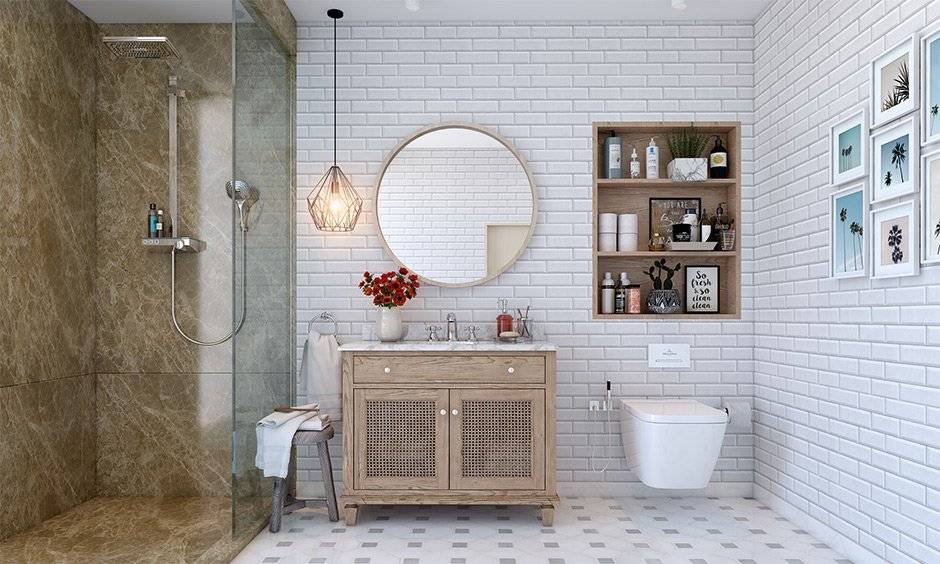
Bathrooms often have to fit a surprising number of functions into relatively limited spaces. Getting ready, bathing, storing toiletries, cleaning and sometimes doing laundry all compete for attention.
Thoughtfully designed bathrooms begin with circulation. Doors should open comfortably, fixtures should have adequate clearance and frequently used storage should be easy to reach.
Lighting deserves special consideration. A ceiling fixture alone can cast shadows around mirrors, making grooming unnecessarily difficult. Combining general illumination with well-positioned task lighting creates a more useful environment.
Ventilation is equally important. Effective exhaust systems and appropriate moisture-resistant materials can help protect the room over time.
And while finishes matter, don’t let appearance completely dictate the layout. A gorgeous bathroom that feels cramped every morning will quickly lose its charm.
Furniture Should Fit the Room — and the People
Choosing furniture can be surprisingly difficult. Something may look perfect in a showroom and completely wrong once it arrives home.
Scale is the first thing to consider. Large furniture can overwhelm a compact room, while tiny pieces may make a spacious room feel disconnected.
Then consider comfort.
How long will people sit there? Is the sofa deep enough? Can someone comfortably walk around the coffee table? Does the dining chair work for a full meal rather than just a quick cup of coffee?
Well-chosen furnishings should support the way a room is used rather than simply fill empty floor space.
It can also help to leave some breathing room. Not every corner needs a chair, plant or decorative object. Empty space gives furniture room to stand on its own and makes movement easier.
Space Planning Happens Before Decorating
One of the biggest mistakes in interior design is choosing furniture before understanding how everything will fit together.
Good space planning considers circulation, sightlines, furniture dimensions, door swings, windows and the relationship between different rooms.
Try imagining the movement through the space. Where will someone walk when carrying groceries? Can two people pass each other? Does a chair block a doorway? Is the television visible from the intended seating position?
These practical questions can prevent costly mistakes.
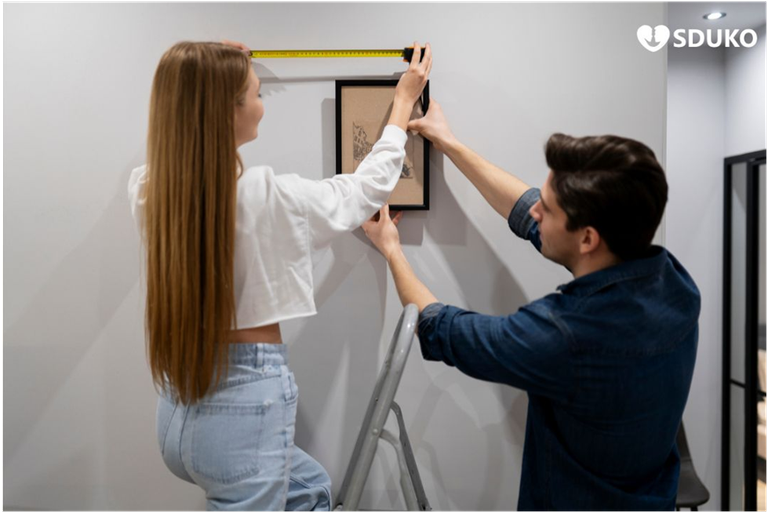
Even a rough floor plan can help. Measure furniture before purchasing it and use painter’s tape on the floor to mark approximate dimensions. It may feel slightly ridiculous at first, but discovering that your dream sectional blocks the hallway before delivery day is a pretty useful revelation.
Storage Should Follow Habits
Storage works best when it reflects behaviour.
If shoes always end up near the entrance, create storage there. If kitchen appliances are used daily, don’t hide them in an inconvenient cabinet. If children regularly use a particular room, make storage accessible to them.
The goal isn’t to make every surface empty. A home with absolutely nothing visible can feel sterile.
Instead, create places for things to live.
Built-in cabinetry, drawers, shelving, benches and baskets can all help. The right combination depends on the room and the people using it.
Lighting Adds Another Layer
A room can have beautiful furniture and still feel uncomfortable if the lighting is wrong.
Use layers rather than relying on a single bright fixture. Ambient lighting provides general illumination, while task lighting helps with activities such as reading, cooking or grooming. Accent lighting can highlight artwork or architectural details.
Natural light should be considered too.
Observe how sunlight moves through the home during different parts of the day. A room that feels wonderfully bright at 9 a.m. may become intensely hot in the afternoon. Window treatments and shading can help control glare and heat without sacrificing daylight completely.
Small adjustments can change the mood of an entire room.
Choose Materials With Real Life in Mind
A material should look good, but it also needs to behave well.
Busy households may need durable flooring and easy-to-clean surfaces. A quieter home might allow more delicate finishes. Pets, children, cooking habits and entertaining frequency can all influence material choices.
This is where practicality becomes part of aesthetics.
There is no reason a durable surface has to look boring. Modern materials offer plenty of texture, colour and character. The key is understanding how much maintenance you’re willing to accept.
A finish that needs constant attention may become irritating if your schedule is already packed.
Make Small Rooms Count
Small rooms are not necessarily wasted rooms.
A compact study can become a peaceful reading space. A narrow hallway can provide useful storage. A small guest bathroom can carry a stronger decorative statement than a larger room because there’s less surface area to overwhelm.
In smaller spaces, scale becomes particularly important.
Choose furniture carefully and avoid unnecessary visual clutter. Mirrors can increase the sense of openness, while consistent flooring can help adjacent spaces feel connected.
And don’t automatically assume white is the only answer. Darker colours, when used thoughtfully, can sometimes make a compact room feel intimate rather than cramped.
Let Rooms Change Over Time
Homes aren’t static.
Children grow. Work arrangements change. Hobbies appear. Families evolve.
A room designed for one purpose today may need to serve another tomorrow. Flexible furniture, movable storage and adaptable layouts make those changes easier.
A guest bedroom can double as an office. A dining area can become a homework station. A large landing can become a reading corner.
Good design leaves a little room for uncertainty.
Personality Makes the Difference
A technically perfect home can still feel strangely impersonal.
The final layer should come from the people who live there. Books, photographs, artwork, handmade objects and pieces with a history bring warmth that cannot be ordered from a catalogue.
Don’t be afraid of a little imperfection.
A scratched wooden table may have more character than a pristine replacement. A collection of mismatched frames can feel more authentic than something perfectly coordinated. Homes are meant to be lived in, after all.
Think Beyond the First Impression
The best way to judge a home isn’t by how it looks when everything is perfectly arranged.
Imagine an ordinary day.
Someone is cooking while another person walks through the room. Laundry needs to be put away. A delivery arrives. Friends stay for dinner. It’s raining outside and everyone wants to sit in the same warm room.
Does the home still work?
If the answer is yes, you’ve probably made the right choices.
Ultimately, thoughtful design isn’t about creating a house that looks perfect all the time. It’s about making everyday life more comfortable, practical and enjoyable.
A beautiful room may catch your attention, but a well-planned home earns your affection slowly. You notice it when the morning routine feels easier, when guests naturally know where to sit, and when everything seems to have a place without feeling overly controlled.
That’s the quiet success of good design: it doesn’t get in the way of life. It gives life a better place to happen.