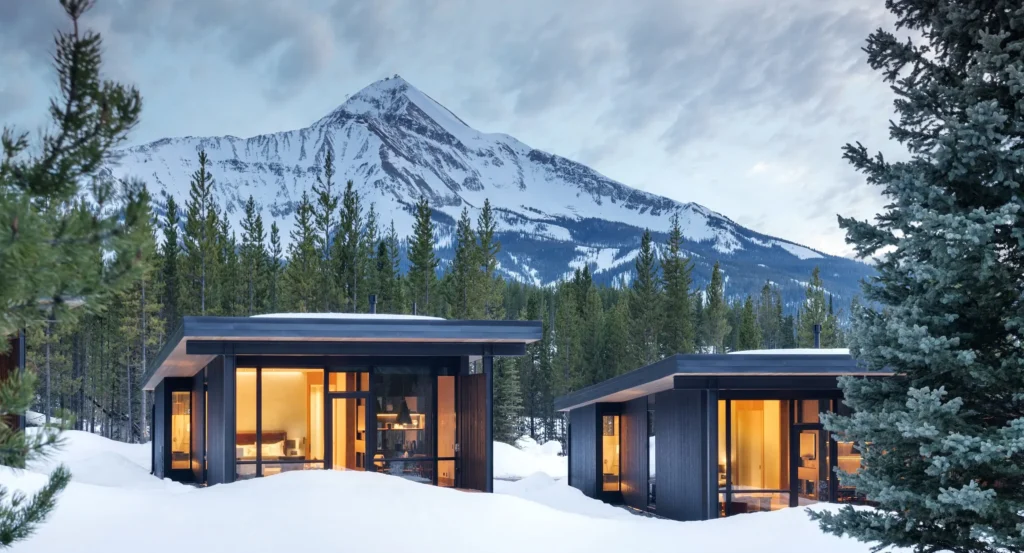
There’s a special feeling that comes with getting away from the usual noise. You drive farther than you normally would, the roads become quieter, the trees seem taller, and eventually your phone stops feeling quite so important. It’s not that you’ve escaped life completely. You’ve simply created enough distance to notice it again.
For many travelers, that’s the real attraction of a wilderness destination. It offers space, fresh air and the chance to spend time outdoors without having to fill every minute with entertainment. You can hike in the morning, sit beside the water in the afternoon and spend the evening talking with friends around a fire. Nothing too complicated. Sometimes simple is exactly what people need.
Why Open Spaces Feel So Different
Modern life has a funny habit of keeping us busy. Even when we aren’t working, we’re scrolling, replying, watching or planning the next thing.
A trip into nature breaks that pattern.
Being near open water can be especially calming. A lake or wide river gives your eyes somewhere distant to rest, while the sound of moving water creates a natural background that doesn’t demand your attention. You might sit there for twenty minutes doing absolutely nothing and somehow feel like you’ve accomplished something.
That’s a rare feeling these days.
Choosing Accommodation That Feels Like Part of the Trip
Where you stay matters more than people sometimes realize. A beautiful landscape is wonderful, but if your accommodation is uncomfortable, cramped or poorly equipped, the experience can lose some of its charm.
Look for a place that matches the kind of trip you actually want. If you plan to spend most of your time outdoors, you may not need luxury. A clean, comfortable space with a good bed, kitchen facilities and somewhere to sit outside might be enough.
For longer stays, check practical details before booking. Is there reliable heating? Is cooking equipment provided? How far is the nearest store? Is the road accessible in bad weather?
Those little questions can save you from unpleasant surprises.
The Charm of Renovated Cabins
There’s something appealing about staying somewhere that still has a sense of history but doesn’t make you sacrifice comfort.
Renovated cabins can offer that balance. Wooden interiors, large windows and traditional details can create a cozy atmosphere, while updated kitchens, bathrooms and heating make the stay much easier.
A good cabin doesn’t need to look like a luxury resort. In fact, part of the appeal is often the opposite. You want somewhere that feels connected to the surrounding landscape.
Imagine waking up, opening the curtains and seeing trees instead of another building. Make coffee, step outside and listen for birds before the day gets noisy. It’s a small experience, but it can stay with you.
Spend the Day Outside
One of the best things about a wilderness getaway is the freedom to decide how active you want to be.
If you’re energetic, explore nearby hiking routes, go cycling or spend time on the water. Fishing can turn into a peaceful half-day activity, while kayaking offers a different perspective of the shoreline.
You don’t need to be an expert. Beginners can choose shorter routes and easier activities, gradually building confidence as they become familiar with the environment.
And if you’re traveling with children, remember that outdoor fun doesn’t need expensive equipment. Exploring a trail, looking for interesting rocks or watching birds can keep them entertained for hours.
Prepare for the Unexpected
Remote destinations are beautiful, but they require a little more preparation than a city break.
Weather can change quickly, especially around forests, mountains and large bodies of water. Check the forecast before heading out and pack layers rather than relying on one outfit.
A small backpack should contain water, snacks, sunscreen, insect repellent and a basic first-aid kit. A flashlight is useful even if you don’t expect to be outside after dark. Keep your phone charged, but don’t depend entirely on it if you’re traveling somewhere with limited reception.
If you’re heading onto trails, tell someone where you’re going and roughly when you expect to return. It sounds overly cautious until you actually need that information.
Make Evenings Part of the Experience
People often plan their daytime activities carefully and then forget about the evening.
That’s a shame because evenings in nature can be some of the best parts of the trip.
After dinner, sit outside for a while. Watch the sky change color. Listen to the wind moving through the trees. If local rules allow it, enjoy a small campfire and stay there longer than you normally would.
You don’t need a television or a long list of things to do.
Talk. Play cards. Tell stories from the day’s adventures. Or sit quietly. There’s no rule saying every moment has to be productive.
Respect the Place You’re Visiting
A wilderness area isn’t simply a playground. It is a living environment, and visitors need to treat it accordingly.
Take rubbish with you, stay on marked trails when required and keep a respectful distance from wildlife. Don’t feed animals, even if they seem friendly. Food can change their natural behavior and create problems for both wildlife and future visitors.
If you’re near water, avoid leaving plastic, fishing line or other waste behind. These small pieces of rubbish can cause real harm to birds and other animals.
Being responsible doesn’t make the trip less enjoyable. If anything, it makes you more aware of the place you’re experiencing.
Leave Some Time With Nothing Planned
Perhaps the biggest mistake you can make on a nature getaway is trying to see everything.
You don’t need to complete every trail, visit every viewpoint or try every activity. Leave an afternoon completely open.
Sleep late. Read outside. Take a slow walk. Have another cup of coffee. Watch the clouds move over the hills.
These unplanned moments can feel almost strange at first, especially if you’re used to constantly checking the time. Then, gradually, you settle into it.
And that’s when the trip starts doing what you hoped it would.
Taking the Feeling Home
A wilderness escape doesn’t magically solve every problem waiting for you at home. Bills still exist, work still needs attention and your inbox probably won’t disappear.
But a few quiet days can change your perspective.
You return with fresh memories, tired legs and perhaps a little more patience than you had before leaving. You remember that you don’t always need noise, speed and constant activity to have a good time.
Sometimes a comfortable cabin, a stretch of water and a few hours beneath an open sky are enough.
The best part is that feeling doesn’t necessarily stay behind. If you let it, a slower weekend in nature can remind you to make a little more room for quiet when you get back home.