Most people don’t think about their water very much. It comes from the tap, it looks clear, and life moves on. But then the little signs start showing up. A strange taste in your morning coffee. White spots on freshly washed glasses. A showerhead that seems to collect crust faster than you can clean it. Maybe there’s an odd smell you can’t quite explain.
These things don’t necessarily mean something is seriously wrong. Still, they can be useful clues.
Household water can contain minerals, particles, chemicals, and other characteristics that affect how it tastes, smells, feels, or behaves around the home. The tricky part is figuring out what actually needs attention. That’s where a thoughtful approach can save both money and frustration.
Instead of buying equipment because it sounds impressive, start by understanding the water itself.
Look for the Clues Around Your Home
Your house may already be giving you hints.
White scale around faucets often points toward hardness minerals such as calcium and magnesium. Orange staining can sometimes be associated with iron. A sulfur-like odor may occur in certain well-water supplies. Meanwhile, municipal water may have a noticeable chlorine taste.
None of these signs provides a complete diagnosis, but they’re worth paying attention to, especially when they appear consistently.
A simple glass of water can tell you only so much. Some substances are invisible, and water can look perfectly clean while still having characteristics that affect appliances, plumbing, or taste.
That’s why testing is such a useful first step.
Why Water Testing Matters
Water testing turns vague complaints into measurable information. Depending on the test, you may learn about hardness, pH, iron, sulfur, chlorine, dissolved solids, bacteria, or other water-quality characteristics.
This is especially useful for homes with private wells because groundwater conditions can vary from one property to another and may change over time.
Testing doesn’t automatically mean you’ll need an expensive treatment system. Sometimes it confirms that the water is fine as it is. Other times, it points toward a very specific issue that can be handled with a relatively simple solution.
That’s the real value. You’re making a decision based on evidence rather than guesswork.
Hard Water Is a Common Household Frustration
Hard water is primarily caused by calcium and magnesium dissolved in the supply. These minerals aren’t usually visible when you fill a glass, but they leave their mark in other ways.
You may notice soap doesn’t lather as easily. Shower doors develop cloudy spots. Faucets get a chalky ring around the base. Dishes can come out of the dishwasher looking less than sparkling.
Water heaters and other appliances that regularly heat water can also develop mineral scale.
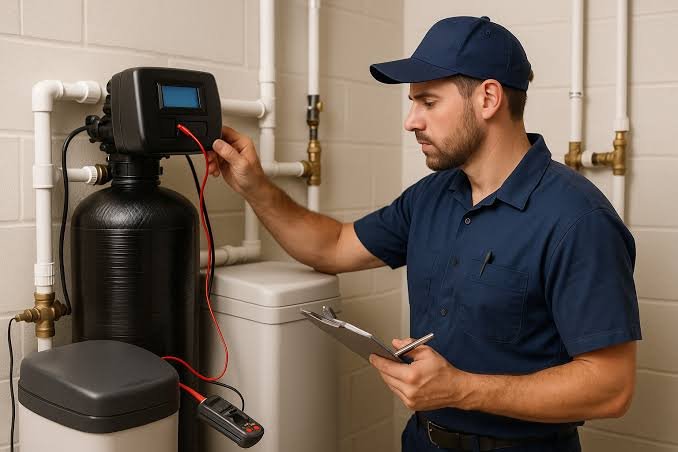
If hardness is the main issue, a water softener may be more appropriate than a conventional filter. A softener is specifically designed to reduce hardness minerals, rather than simply catching suspended particles.
That distinction matters. A filter isn’t automatically a softener, and a softener isn’t a universal purifier.
Understanding Salt-Free Options
Homeowners researching alternatives to traditional softening often come across salt-free water systems. These systems generally work differently from conventional ion-exchange softeners.
Rather than removing calcium and magnesium in the same way a traditional softener does, many salt-free technologies are designed to condition minerals and reduce their tendency to form scale on surfaces.
For some households, that approach may be appealing. People may prefer less maintenance associated with salt supplies, or they may simply want to explore different technologies before making a decision.
But it’s important to understand what a specific product actually accomplishes. If your goal is to reduce hardness minerals themselves, a conditioning system may not provide the same result as an ion-exchange softener.
The technology should match the goal.
When Drinking Water Needs Extra Attention
Sometimes the water throughout the house seems acceptable, but you’re not completely happy with what’s coming from the kitchen tap.
In that situation, point-of-use treatment can be a practical option. Instead of treating every gallon entering the property, you can focus on water used for drinking and cooking.
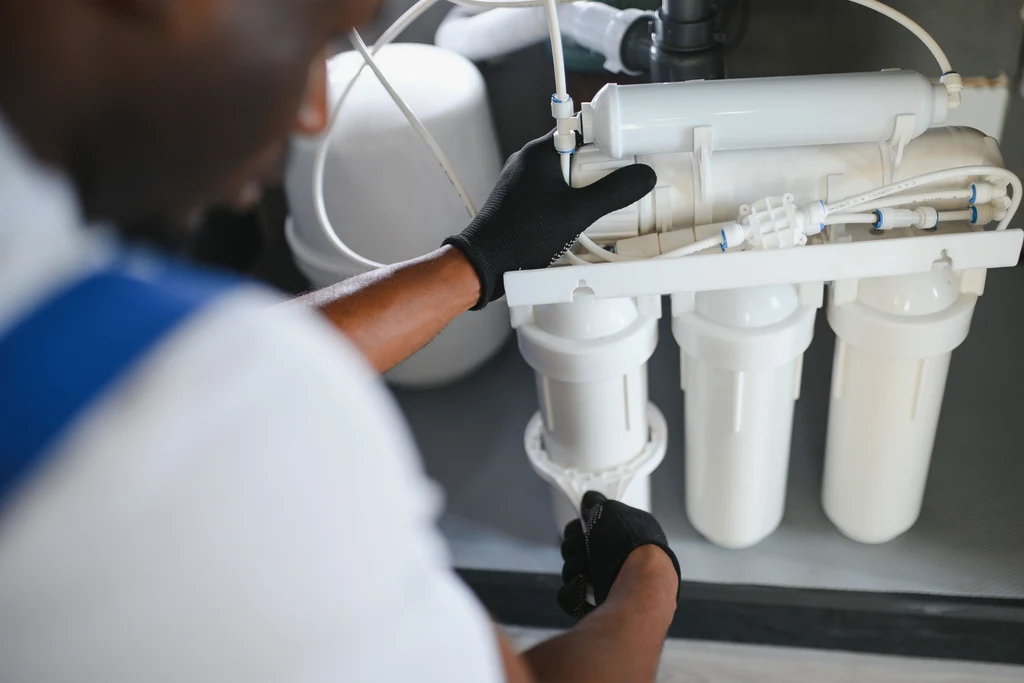
Reverse osmosis is one technology often considered for this purpose. It uses pressure and a semipermeable membrane to reduce many dissolved substances. Residential systems commonly combine the membrane with other filtration stages, such as sediment and carbon filters.
If you’re considering reverse osmosis water systems, look beyond the headline claims. Check the expected production rate, replacement schedule, wastewater ratio, filter costs, installation requirements, and certifications that are relevant to your intended use.
A system should fit your kitchen and your habits, not just look good on a product page.
Whole-Home or Point-of-Use?
This is another decision worth thinking through before purchasing anything.
If the main concern is drinking-water taste, treating the kitchen faucet may be sufficient. There’s little reason to process water used for toilets or outdoor activities if those areas aren’t part of the problem.
But if hardness is causing scale throughout your bathrooms and appliances, a kitchen filter won’t solve it. Whole-home treatment may make more sense when the issue follows the water throughout the property.
Consider where you actually experience the problem.
It sounds simple, but this one question can prevent homeowners from spending money on equipment that doesn’t address their biggest concern.
Don’t Forget About Sediment
Sediment can come from several sources, including private wells, older plumbing, rust, disturbed pipes, or changes in groundwater conditions.
If you notice tiny particles collecting in a glass or around faucet aerators, sediment may be worth investigating.
A sediment filter can capture suspended material before it moves farther through the plumbing system. However, filter selection matters. Very fine filters can clog more quickly, particularly in homes with significant sediment.
When a filter begins restricting flow, water pressure may drop. That’s usually a maintenance issue rather than a sign that the entire treatment system has failed.
Maintenance Is Part of the Purchase
One of the easiest things to overlook is what happens after installation.
Every treatment system needs some form of care. Cartridges need replacement. Membranes eventually require servicing. Softening equipment needs supplies and periodic checks. Connections and housings should be inspected for leaks.
Before buying, ask how often maintenance is required and what replacement components cost.
A system that is easy to maintain is more likely to be maintained.
That sounds obvious, but it’s surprisingly important. Even good equipment can’t perform properly when filters are forgotten for months or components are left overdue.
Think About the Long-Term Cost
Price tags can be misleading.
The initial equipment cost is only part of the picture. Add installation, replacement filters, service, electricity, water usage, salt, and other operating expenses where applicable.
A slightly more expensive system may be easier to live with if replacement parts are readily available and maintenance is straightforward. On the other hand, paying more doesn’t automatically guarantee better performance.
Look at the complete ownership experience rather than focusing only on the installation day.
Choose Treatment Around Your Actual Needs
There isn’t one treatment setup that belongs in every home.
One household may need basic filtration for taste and odor. Another may need sediment control. A home with significant hardness may benefit from softening, while a family mainly concerned about drinking water may prefer a point-of-use system.
The best approach is usually the least complicated one that properly addresses the problem.
Start with testing. Pay attention to what you see, smell, and taste. Understand what each treatment technology is designed to do, and consider how much maintenance you’re realistically willing to handle.
Better water doesn’t have to mean a complicated maze of equipment.
Sometimes it’s a small change that makes a noticeable difference: cleaner fixtures, better-tasting coffee, fewer mineral deposits, or simply more confidence when you turn on the tap. That’s what thoughtful water treatment should deliver — not unnecessary complexity, but a solution that quietly fits into everyday life.