There are some household problems you don’t notice until you’ve lived with them for a while. Hard-water spots on the shower door. A faucet that slowly develops a chalky ring. Soap that never seems to rinse quite properly. Then, one day, you clean everything and wonder why it looks the same again two mornings later.
For many homeowners, the culprit is hard water. Calcium and magnesium are naturally occurring minerals, but when they’re present at higher levels, they can create plenty of everyday headaches. The good news is that treating hard water doesn’t have to mean turning your utility room into a science experiment.
A sensible system, chosen around the actual water conditions, can make a surprisingly noticeable difference.
Start With the Problem, Not the Product
It’s easy to begin shopping before understanding what needs fixing. Water treatment advertisements are full of impressive features, glossy equipment, and promises of cleaner, healthier water.
But different technologies do different jobs.
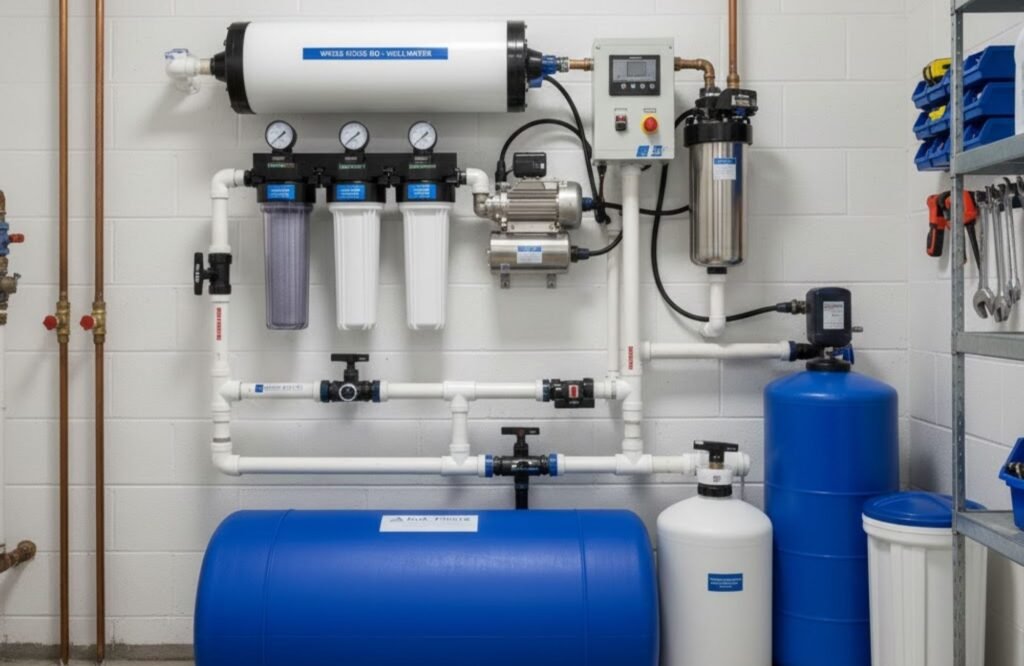
A water softener is mainly designed to reduce hardness minerals. A sediment filter can capture particles. Carbon filtration may improve taste and odor. Reverse osmosis can reduce many dissolved substances from drinking water.
So before choosing equipment, test the water when possible. Knowing the hardness level and identifying other water-quality concerns gives you something solid to work with. Otherwise, you could spend money solving a problem you don’t actually have.
Understanding a Non-Electric Option
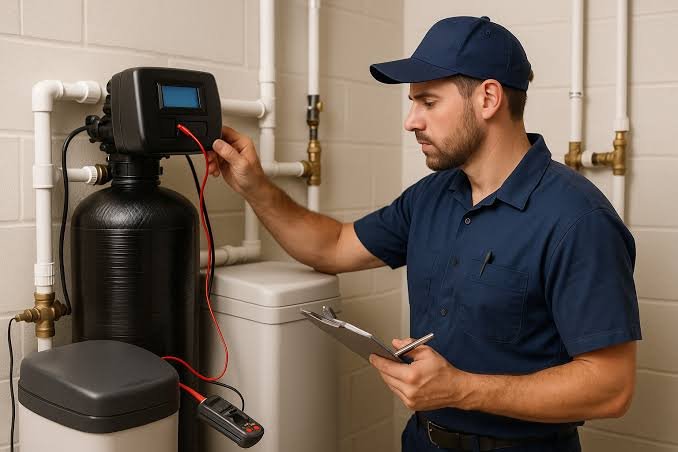
For homeowners interested in reducing hardness without relying on household electricity, a non-electric water softener can be an appealing option. These systems are designed to operate without electrical controls, using water pressure and mechanical processes instead.
That can mean fewer electrical components and, depending on the design, a simpler setup. They’re worth considering for certain homes, especially where simplicity and reduced reliance on powered equipment are priorities.
Still, “non-electric” doesn’t mean maintenance-free. Resin, valves, brine components, and other parts may still require attention depending on the system. Installation and sizing matter too.
The best choice isn’t necessarily the system with the fewest buttons. It’s the one that fits the home’s water usage and the homeowner’s expectations.
What Softer Water Can Change
Once hardness minerals are reduced, the difference can show up in places you wouldn’t necessarily expect.
Soap may lather more easily. Shower doors can be easier to clean. Glassware may come out with fewer mineral spots. Faucets and fixtures often need less scrubbing.
There’s also the less visible side of the equation. Mineral scale can accumulate in plumbing components and water-using appliances, especially equipment that heats water.
Reducing hardness won’t magically make every plumbing problem disappear, but it can reduce one common source of buildup.
Drinking Water Is a Different Conversation
Water used for showers and laundry doesn’t necessarily need the same treatment as water you drink.
If the main concern is the quality, taste, or composition of drinking water, a point-of-use treatment system may make more sense than treating every gallon entering the house.
That’s where technologies such as reverse osmosis become interesting. They can provide highly treated water for drinking and cooking while leaving the rest of the home’s water supply to a separate treatment strategy.
This approach can also be practical for homeowners who want to focus their investment where they notice it most: the kitchen tap.
How Reverse Osmosis Systems Work
Modern reverse osmosis systems use pressure to move water through a semipermeable membrane. The membrane allows water to pass while reducing many dissolved substances.
RO systems are commonly installed under kitchen sinks and may include several stages of filtration before and after the membrane. These stages can help protect the membrane and improve the finished water.
There are trade-offs, naturally. Filters and membranes need periodic replacement, and many systems produce a wastewater stream during operation. Adequate water pressure is also important.
That doesn’t make RO a bad choice. It simply means the system should be selected with its operating requirements in mind.
What Makes Water Taste Good?
Taste is surprisingly personal.
One person might love the taste of their tap water, while another notices chlorine, minerals, or a faint metallic quality immediately. Sometimes the difference is subtle, but it can influence how much water people actually drink.
A properly selected filtration system can improve taste and odor by reducing substances responsible for those characteristics.
But it’s worth finding out what is causing the problem first. Covering up an unusual taste without understanding why it exists isn’t always the best approach.
The Appeal of Filtered Water
For many households, delicious, filtered water becomes one of those little luxuries that quickly turns into an everyday habit.
Cold water from the refrigerator tastes cleaner. Coffee and tea may seem more balanced. Cooking water can taste better, too. These aren’t dramatic changes, but they’re the kind people notice after living with them for a few weeks.
Of course, taste alone shouldn’t determine a treatment system. Water quality testing remains important, particularly when the source is a private well or when there are persistent changes in taste, color, or odor.
The goal is to improve the water for a reason, not simply because a marketing page says the water could be “better.”
Whole-Home Treatment Has Its Place
Sometimes the kitchen isn’t the only area affected by hard water.
If mineral deposits appear throughout bathrooms, laundry areas, and appliances, whole-home softening may be worth considering. Treating water as it enters the house allows the system to address hardness before it reaches multiple fixtures.
This can be particularly helpful for larger families where several water-using appliances and bathrooms operate throughout the day.
Proper sizing becomes important here. A system needs to handle normal household demand without constantly struggling to keep up.
Maintenance Shouldn’t Be an Afterthought
Every treatment system needs some attention.
Filters become saturated. RO membranes eventually need replacement. Softener systems require regeneration and, depending on the design, replenishment of salt or other materials.
The easiest way to avoid trouble is to establish a maintenance routine from the beginning. Keep track of filter changes, service dates, and any unusual changes in water pressure or taste.
Don’t wait until the water suddenly tastes strange to wonder when the filter was last changed.
A Little Research Goes a Long Way
Choosing water treatment equipment doesn’t need to become an exhausting project. Start by identifying the problem. Test the water. Learn what each technology is designed to do, and be honest about how much maintenance you’re willing to handle.
If you’re comparing systems, ask about installation, operating costs, replacement parts, water usage, and expected service life. A trustworthy provider should be able to explain these details clearly rather than burying you in technical language.
And if one company tells you that you absolutely need every treatment technology available, getting a second opinion isn’t a bad idea.
Better Water Should Feel Effortless
The best water-treatment setup is rarely the one that gets the most attention. Ideally, it becomes part of the background.
You notice fewer spots on the shower glass. The faucet stays cleaner. Appliances don’t have to deal with as much mineral buildup. The kitchen tap delivers water you actually enjoy drinking.
That’s the real value of thoughtful water treatment. It’s not about chasing some impossible idea of perfect water. It’s about understanding what’s in your supply and choosing practical technology to address it.
Sometimes, the simplest improvements are the ones that make the biggest difference. A cleaner glass of water, an easier-to-clean bathroom, and a home with fewer little maintenance annoyances — that’s a pretty good return on the effort.