Water is easy to take for granted. You turn on the faucet, fill a glass, take a shower, and get on with your morning. It rarely gets a second thought — until something changes. Maybe the water leaves a white film on the sink, your freshly washed plates don’t look quite clean, or your skin feels unusually tight after a shower.
Those little annoyances can be more than household bad luck. They may point toward characteristics of the water itself, particularly when several symptoms appear at once. The trick is not to panic or immediately buy an expensive treatment system. Instead, look at the clues, test the water when appropriate, and figure out what is actually happening.
The Mystery Behind White Deposits
Few things make a clean bathroom look dirty faster than mineral residue. You wipe down the faucet in the evening, and by the next day there’s another pale ring around the base. Showerheads become crusty. Glass doors develop a cloudy appearance.
One common cause is hard water, which contains dissolved minerals such as calcium and magnesium. As water evaporates, those minerals can remain behind and form scale buildup on fixtures and surfaces.
Over time, scale can also accumulate inside water-using appliances. Water heaters, coffee makers and dishwashers may all be affected. The issue isn’t necessarily dramatic overnight; it’s the gradual accumulation that makes it frustrating.
If scale keeps returning despite regular cleaning, testing the water’s hardness can be a useful next step.
Your Skin May Notice What You Don’t
Some water-quality issues are visible around the house. Others are noticed on your body.
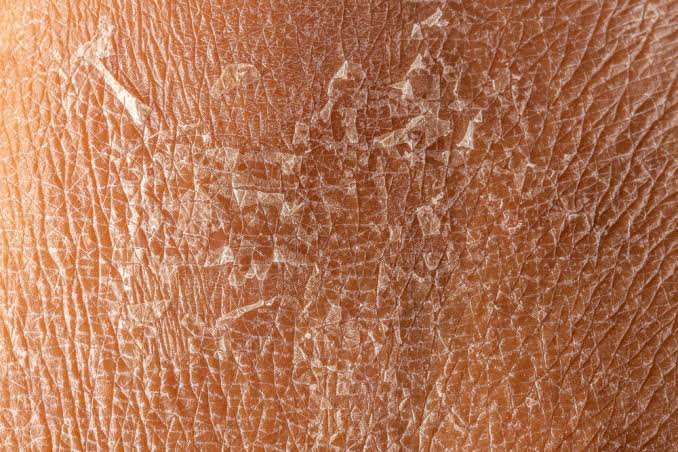
If your skin feels tight, rough or uncomfortable after bathing, hard water may be one factor worth considering. Minerals in hard water can interact with soap, making it harder to rinse away completely. Hot showers and harsh personal-care products can contribute as well, so water isn’t always the only explanation.
Still, persistent dry skin after bathing is a good reason to pay attention to your routine. Try lowering the shower temperature, using a gentle cleanser and moisturizing soon after drying off. If the issue continues, particularly if there’s irritation or a medical concern, it’s sensible to speak with a healthcare professional rather than assuming the water is responsible.
The point is to look at the whole picture.
Why Clean Dishes Sometimes Don’t Look Clean
You run the dishwasher, open the door, and there they are: glasses covered in little white spots. The plates are technically clean, but somehow they don’t look clean.
Hard water can contribute to spotted dishes, particularly when mineral-rich water dries on glassware and other surfaces. Detergent, rinse-aid settings, water temperature and dishwasher performance can also influence the result.
Before replacing the dishwasher, check the basics. Clean the spray arms, make sure the filter isn’t clogged, use the detergent correctly and review the manufacturer’s recommendations. If the problem continues across different wash cycles, water hardness may be worth investigating.
Sometimes the dishwasher isn’t the culprit. It’s just the messenger.
Hard Water Doesn’t Mean Unsafe Water
It’s important not to confuse an unpleasant water characteristic with a dangerous contaminant. Hardness is primarily associated with calcium and magnesium, and many households live with hard water without experiencing a health problem from the hardness itself.
The concern is often practical. Mineral deposits can make cleaning more difficult, affect appliances and create a constant cycle of scrubbing and maintenance.
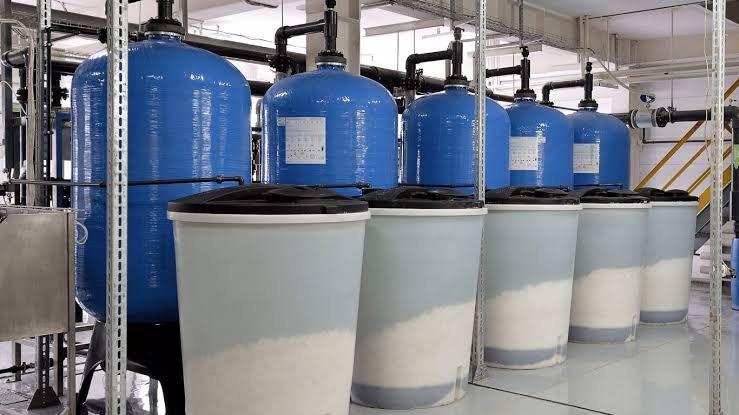
That’s why treatment decisions should be based on actual water conditions. If hardness is confirmed and causing persistent problems, a properly selected softening system may help. But if the test reveals a different concern, another type of treatment could be more appropriate.
In other words, don’t solve the wrong problem.
Look Beyond What You Can See
Clear water isn’t necessarily problem-free water, and cloudy water isn’t automatically dangerous. Appearance can offer clues, but it doesn’t tell the entire story.
Water may contain dissolved substances that aren’t visible in a glass. Private wells can have different characteristics depending on local geology and changing groundwater conditions. Municipal supplies can also have their own taste and mineral profiles.
Testing is therefore more useful than visual inspection alone. Depending on the situation, testing may examine factors such as hardness, pH, iron, manganese, sediment and other water-quality characteristics.
The results can then guide the treatment decision rather than leaving homeowners to guess.
Choosing the Right Treatment
Once a problem is identified, the next question is what to do about it.
Hardness may call for a softener. Sediment can often be addressed with appropriate filtration. Taste and odor concerns may respond to carbon filtration or another targeted approach. Drinking-water concerns may sometimes be handled with point-of-use filtration or reverse osmosis.
There is no prize for installing the most complicated system. In fact, unnecessary equipment can create additional maintenance and operating costs.
A system should be selected according to the water quality, household size, daily demand and the specific improvement you’re trying to achieve.
Think About Your Appliances
Water quality and appliance care are closely connected. Washing machines, dishwashers, water heaters, coffee makers and ice machines all interact with water regularly.
Mineral deposits can accumulate in equipment over time, particularly when water is heated. This doesn’t mean hard water will automatically destroy an appliance, but reducing excessive scale may help equipment operate more efficiently and reduce cleaning or service requirements.
Following manufacturer maintenance instructions is still essential. Treatment equipment shouldn’t be viewed as a replacement for basic appliance care.
Maintenance Matters More Than People Expect
Installing a treatment system is not the end of the story. Filters need replacement. Softening equipment needs attention. Some systems require periodic inspections, cleaning or sanitation.
Neglected equipment can become less effective and, in some cases, create new problems. A clogged filter can reduce flow, while overdue servicing can affect treatment performance.
A simple maintenance calendar can help. Record filter changes, service appointments and water-testing dates. It’s not glamorous, but neither is discovering an old filter that should have been replaced months ago.
When Should You Investigate?
Not every small water complaint requires professional intervention. But recurring or sudden changes deserve some attention.
Consider testing if you notice persistent staining, unusual taste or odor, recurring mineral deposits, changes in water appearance or other problems that don’t improve with normal household cleaning.
Private well owners should be particularly mindful of routine water-quality monitoring because conditions can change. If there has been flooding, nearby construction, a change in the well system or a sudden shift in water quality, additional testing may be appropriate.
A Little Attention Can Go a Long Way
Water problems often reveal themselves through ordinary things — a ring around the faucet, a rough feeling after a shower, or a glass that never seems to come out of the dishwasher spotless.
Those clues don’t necessarily mean something is seriously wrong. They simply suggest that the water may deserve a closer look.
Instead of guessing, start with the basics. Identify the symptoms, consider the water source, test when appropriate, and choose treatment based on evidence. That approach is more sensible than buying equipment first and trying to figure out afterward whether it was actually needed.
Good water treatment isn’t about chasing perfection. It’s about making everyday life easier while taking reasonable care of your plumbing, appliances and household. Sometimes the best solution is surprisingly simple — once you know what you’re solving.