Clean water is something most people expect to have without much thought. Turn on the tap, fill a glass, water the garden, or run a pool pump, and everything should work as intended. But behind that simple experience is a network of treatment equipment designed to manage impurities, protect plumbing, and keep water suitable for its intended use.
Water quality can vary considerably depending on the source. Municipal supplies, private wells, rainwater systems, swimming pools, and commercial facilities all face different challenges. Some may struggle with unpleasant taste or odor, while others deal with dissolved minerals, microorganisms, or chemical contamination. Understanding the available treatment options makes it easier to choose equipment that fits the situation rather than spending money on unnecessary technology.
Why Water Treatment Requires a Thoughtful Approach
There is no single water treatment method that solves every problem. A filter that removes sediment may not reduce dissolved salts. A system designed to improve taste may not address bacteria. Likewise, equipment that works well for drinking water might not be suitable for a pool, irrigation setup, or industrial process.
The first step is identifying what needs to be removed or controlled. Water testing can reveal whether the main concern is hardness, chlorine, iron, sediment, microbial contamination, or total dissolved solids. Once the issue is clear, treatment equipment can be selected with much greater confidence.
This approach also helps control long-term costs. Buying a sophisticated system without understanding the water problem may lead to expensive maintenance and disappointing results. Sometimes, a simple pre-filter or carbon cartridge is enough. In other cases, a more advanced treatment process is justified.
How Reverse Osmosis Works
One of the most widely recognized drinking-water technologies is reverse osmosis. Unlike ordinary filtration, which generally captures particles as water passes through a filter, reverse osmosis uses pressure to push water through a semipermeable membrane. The membrane allows water molecules to pass while reducing many dissolved substances and contaminants.
Reverse osmosis systems are often used to improve the taste, clarity, and overall quality of drinking water. Depending on the system design and membrane quality, they may reduce dissolved salts, certain heavy metals, fluoride, nitrates, and other unwanted substances. However, performance varies, so users should always check the manufacturer’s specifications rather than assuming every unit removes everything.
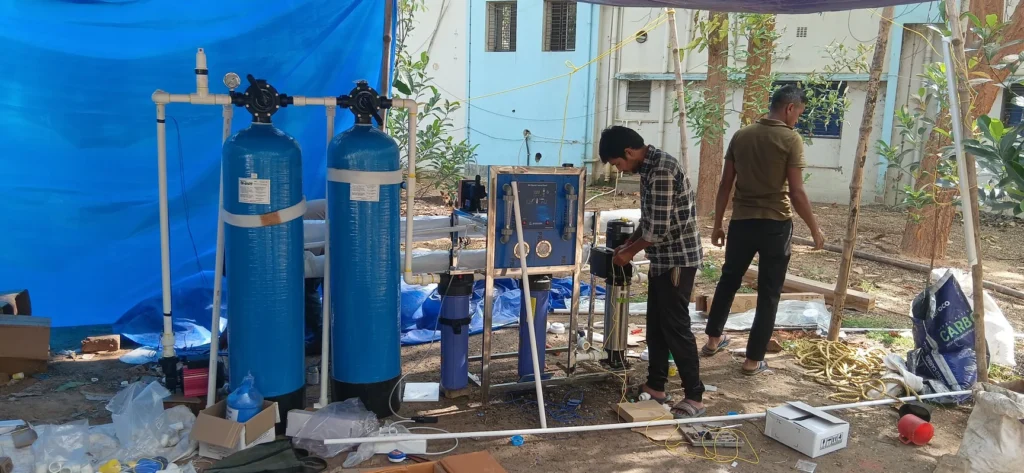
A typical reverse osmosis setup may include several stages. Sediment filtration protects the system from larger particles, while carbon filters can reduce chlorine and other compounds that may damage the membrane. The membrane performs the primary separation, and a final polishing filter may improve taste before the water reaches the faucet.
One thing worth remembering is that reverse osmosis produces wastewater as part of its operation. Modern systems may be designed to improve water efficiency, but buyers should still consider recovery rates, storage capacity, filter replacement costs, and installation requirements.
The Importance of Regular Water Testing
Water treatment equipment should never be selected solely because it is popular or heavily advertised. Testing provides the information needed to make a practical decision. It also helps users determine whether an existing system is still performing as expected.
Homeowners and facility managers can use test kits & accessories to monitor important water conditions. Depending on the application, these kits may measure pH, chlorine, alkalinity, hardness, nitrates, or other indicators. Pool owners, for example, need to keep track of sanitizer levels and pH to support swimmer comfort and protect surfaces and equipment.
Testing is particularly useful when water characteristics change. A private well may experience seasonal shifts, while construction, flooding, plumbing repairs, or changes in the local supply can affect water quality. If the water suddenly develops an unusual smell, taste, color, or cloudy appearance, testing is a sensible first step before adjusting treatment chemicals or replacing equipment.
It is also important to use testing tools correctly. Expired reagents, contaminated sample containers, or unclear instructions can produce unreliable results. For more serious concerns, laboratory testing is usually more appropriate than relying on a basic home kit alone.
Using UV Technology for Microbial Control
Filtration and reverse osmosis are valuable, but they do not always address every biological concern. In systems where microbial control is important, ultraviolet treatment can provide an additional layer of protection.
UV (ultraviolet) systems use ultraviolet light to disrupt the ability of certain microorganisms to reproduce. When water passes through a properly designed UV chamber, the light can help inactivate many bacteria, viruses, and other microorganisms. The process does not typically add chemicals to the water, which makes it attractive for homes, wells, hospitality facilities, and selected commercial applications.
UV treatment works best when the water is relatively clear. Suspended particles can shield microorganisms from the light, reducing effectiveness. For this reason, UV units are often installed after suitable pre-filtration. The flow rate also matters. If water moves through the chamber too quickly, it may not receive the required UV dose.
Maintenance is another important consideration. UV lamps gradually lose effectiveness, even when they still appear to be working. Many systems require annual lamp replacement, while quartz sleeves may need cleaning to remove mineral deposits. A UV system should also be selected according to the required flow rate and certified performance standards.
Combining Treatment Methods for Better Results
In many situations, the strongest approach is not one piece of equipment but a carefully arranged treatment train. Different technologies can handle different problems, allowing each component to do the job it was designed for.
For example, a well-water system might begin with a sediment filter to capture sand and suspended particles. A carbon filter could follow to improve taste and reduce certain chemicals. Depending on test results, a softener may be added for hardness control, while UV treatment provides microbial protection. For drinking water, a reverse osmosis unit may be installed at a dedicated point of use.
The exact combination depends on the water analysis and intended use. More equipment is not automatically better. Every additional component adds installation space, replacement parts, pressure considerations, and maintenance responsibilities. A balanced design is usually more useful than an oversized system.
Maintenance Should Be Part of the Plan
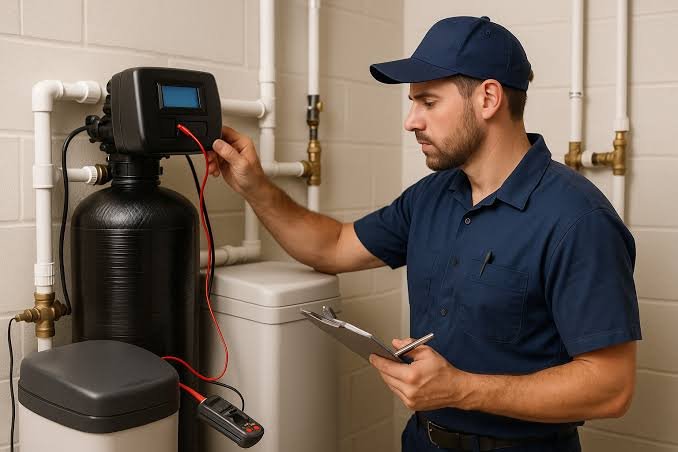
Even excellent water treatment equipment needs regular attention. Filters must be replaced, membranes require monitoring, UV lamps need scheduled servicing, and testing should continue after installation. Neglecting these tasks can reduce performance and create a false sense of security.
Keep a simple record of filter changes, membrane replacements, water test results, and maintenance visits. This makes it easier to spot unusual patterns. If a membrane clogs quickly or a UV sleeve becomes coated with minerals, the issue may point to inadequate pre-treatment or changing water conditions.
Choosing products with accessible replacement parts and clear maintenance instructions can make ownership much easier. Before purchasing, ask about service support, warranty terms, installation requirements, and the ongoing cost of consumables.
Making the Right Choice for Your Water Needs
Modern water treatment offers practical solutions for many different environments, but the best choice begins with understanding the problem. Reverse osmosis can reduce many dissolved contaminants, testing tools help identify and monitor water conditions, and UV technology can support microbial control when properly installed and maintained.
Rather than choosing equipment based only on price or technical features, consider the water source, daily demand, available space, maintenance commitment, and long-term operating costs. A system that is correctly sized and thoughtfully maintained will generally provide more dependable results than one selected in a hurry.
Clean water is not simply about buying a device and forgetting about it. It is an ongoing process of testing, treatment, observation, and care. With the right combination of knowledge and equipment, water quality becomes something you can manage confidently instead of something you only think about when a problem appears.