Water is one of those things we rarely think about until something seems wrong. Maybe there’s a strange taste in your morning coffee, white scale around the faucet, an unusual smell from the kitchen tap, or a glass of water that simply doesn’t look quite right. These little clues can be easy to ignore, but they often point to a bigger question: what is actually in your water?
The good news is that improving water quality doesn’t always mean making complicated changes. The right treatment depends on the source of the water, the contaminants involved, and what you want the system to accomplish. A thoughtful approach can make everyday water cleaner, more pleasant, and easier to manage without turning your home into a science project.
Start With the Water, Not the Equipment
One of the most common mistakes people make is shopping for a treatment system before understanding their water. It’s tempting to see a promising filter online and assume it will solve every problem. Unfortunately, water quality doesn’t work that way.
A water test can reveal hardness, sediment, dissolved minerals, metals, bacteria, and other concerns. Private well water, for example, can have very different characteristics from treated municipal water. Even two neighboring homes may experience different issues because of plumbing, groundwater conditions, or the age of their pipes.
Testing gives you a starting point. Instead of guessing, you can match the treatment method to the actual problem.
Whole-Home Protection Has Its Advantages
If the concern affects showers, laundry, bathrooms, appliances, and drinking water, treating only one faucet may not be enough. A whole-home filtration system can provide broader protection by treating water as it enters the property.
This approach is particularly useful when sediment, unpleasant odors, chlorine, or certain other contaminants are present throughout the household supply. It also means you don’t have to remember which tap has a filter attached and which one doesn’t.
There’s a practical benefit, too. Cleaner water throughout the home can reduce the everyday annoyance of residue on fixtures and help protect appliances that regularly use water. It isn’t about chasing perfectly pure water. It’s about getting the water to a quality level that makes sense for your household.
Different Problems Need Different Solutions
There isn’t one universal filtration technology that handles every water-quality concern equally well. Sediment filters are designed to capture physical particles. Carbon-based systems are often used to improve taste and odor and reduce certain chemicals. Water softeners address hardness caused mainly by calcium and magnesium.
Reverse osmosis is another option, especially when the goal is highly treated drinking water. Because it can remove a broad range of dissolved substances, it is often installed at a kitchen sink or dedicated drinking-water point rather than being used for every gallon entering a home.
The key is balance. Installing more equipment doesn’t automatically mean better water. An oversized or poorly matched system can cost more to operate and maintain while doing little extra for the actual problem.
When Microbial Concerns Enter the Picture
Bacteria and other microorganisms require a different kind of thinking. Filtration and disinfection are not always interchangeable. A filter may physically remove particles, while a disinfection system is designed to deactivate microorganisms.
For households dealing with specific microbial concerns, uv water disinfection can be a useful treatment method. Ultraviolet technology uses UV light to inactivate microorganisms as water passes through the system. It doesn’t rely on adding chemicals to the water, which is one reason some homeowners find it appealing.
Of course, UV systems work best when properly selected and maintained. Water clarity matters because excessive sediment can interfere with UV exposure. That’s why a filtration stage may be used before the UV unit. Again, the overall treatment plan matters more than any single piece of equipment.
Think About Maintenance Before Installation
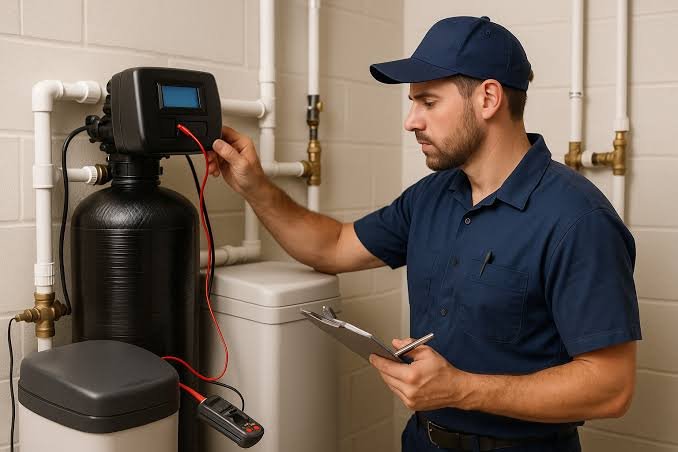
A water treatment system isn’t a “set it and forget it” purchase. Filters need replacement. Some components need cleaning. Softener systems require attention to salt levels, while UV systems need periodic maintenance to remain effective.
This isn’t necessarily a burden. Most routine maintenance is fairly straightforward when you know what needs to be done and when. The bigger problem is forgetting about it.
Before choosing a system, ask about replacement schedules, operating costs, service requirements, and the availability of replacement parts. A system that looks inexpensive initially may become frustrating if maintenance is difficult or expensive.
Businesses Have a Different Water Equation
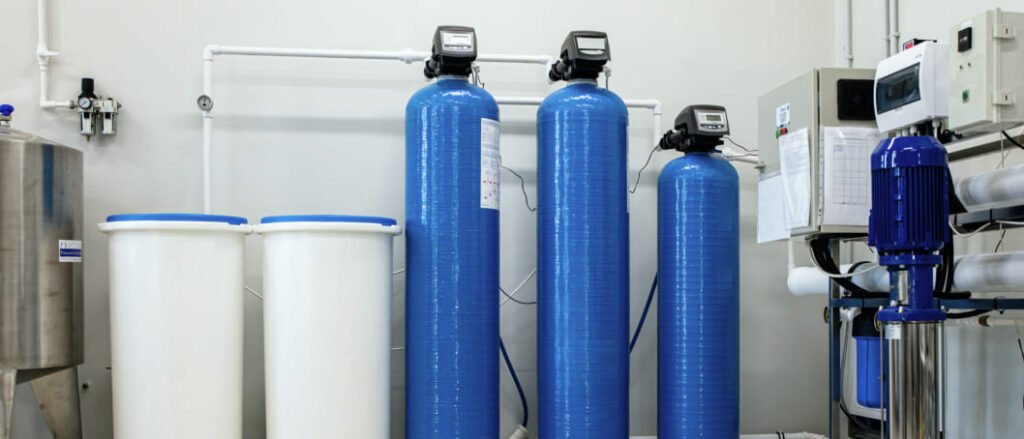
Water needs change dramatically when a building serves dozens, hundreds, or thousands of people. Restaurants, hotels, healthcare facilities, manufacturing sites, offices, and other commercial properties may have high water demand and specialized quality requirements.
That’s where commercial water treatment becomes more than a convenience. The treatment system may need to support large volumes while addressing scale, sediment, minerals, microorganisms, or process-specific concerns.
For a restaurant, water quality can affect everything from beverages to dishwashing equipment. In a manufacturing environment, untreated water may interfere with production processes or equipment performance. Hotels and other facilities also have to consider guest experience, plumbing, and reliability.
Commercial systems therefore require careful sizing and planning. Flow rates, peak demand, incoming water quality, available space, and maintenance access all matter.
Don’t Overlook Plumbing and Equipment
Sometimes the water itself isn’t the only issue. Older plumbing can contribute to taste, odor, discoloration, or other problems. Water heaters and appliances can also develop scale or sediment buildup over time.
This is why a good assessment should look beyond the filter. If a faucet has poor pressure, for instance, installing another filtration stage might make the problem worse. If only one fixture has unusual water while everything else seems normal, the plumbing serving that fixture deserves attention.
A treatment system should fit into the home or building rather than creating a new set of headaches.
The Best System Is the One You’ll Actually Maintain
There’s something satisfying about a water system that quietly does its job. No complicated daily routine. No constant troubleshooting. Just water that tastes better, looks cleaner, and behaves the way you expect.
That usually comes from making sensible decisions at the beginning: test the water, identify the real concern, choose technology that addresses it, size the equipment properly, and understand the maintenance involved.
Water treatment doesn’t have to be mysterious or excessive. In many cases, the smartest solution is simply the one that matches the water and the people using it. A little testing and professional guidance can save a lot of guesswork—and, ultimately, help you invest in cleaner water with confidence.