You don’t usually think about your plumbing when everything is working. Water comes out when you turn the tap, the toilet flushes, the shower gets hot, and the drains carry everything away. It’s almost invisible, which is exactly what good plumbing should be.
Then one morning the shower pressure drops. A faucet won’t stop dripping. You notice water collecting beneath the kitchen sink. Suddenly, a system you rarely think about becomes the most important thing in the house.
The good news is that plumbing problems don’t always need to become major disasters. Paying attention to early warning signs, keeping equipment maintained, and getting the right help when something is beyond a simple fix can make a considerable difference.
Your Fixtures Tell a Story
Everyday fixtures experience a surprising amount of wear. Faucets are opened and closed countless times, toilets are flushed repeatedly, and shower components deal with mineral deposits, temperature changes, and constant water exposure.
Toilets and faucets may seem basic, but their small internal components matter. A worn cartridge can cause a faucet to drip. A damaged flapper can make a toilet run continuously. A loose supply connection can slowly leak beneath a sink.
These problems aren’t necessarily emergencies, but they’re worth addressing. A running toilet can waste significant amounts of water over time, while a persistent faucet leak can leave mineral deposits around the fixture and increase water consumption.
Sometimes the repair is surprisingly straightforward. Other times, the fixture is simply old enough that replacement makes more sense than continuing to repair individual parts.
Don’t Wait for a Leak to Become a Flood
Leaks are among the most common plumbing problems, and they don’t always look dramatic.
A pipe hidden behind drywall might leak slowly for weeks. A loose connection beneath a cabinet may leave only a small damp patch. A water heater could develop moisture around its base before the problem becomes obvious.
That’s why leak service & repair is about more than mopping up visible water. Finding the source is the important part.
Homeowners can occasionally inspect accessible plumbing themselves. Look inside cabinets, around toilets, near washing machines, and around exposed pipes. Check for water stains, peeling materials, musty odors, or unexplained moisture.
Another useful clue is your water bill. If consumption suddenly rises without a change in household habits, something may be using water when you aren’t aware of it.
When a leak is hidden, professional detection can save considerable time. Guessing where water is coming from can lead to unnecessary damage if walls or flooring are opened in the wrong place.
Strange Plumbing Sounds Shouldn’t Be Ignored
Homes have their normal sounds, but you learn pretty quickly when something doesn’t sound right.
A toilet that hisses long after flushing may have an issue with its fill valve. A pipe that bangs when a faucet closes can indicate water hammer. A drain that gurgles repeatedly may be struggling with airflow or drainage.
None of these sounds automatically means a serious failure is coming. Still, persistent changes are worth investigating.
The same applies to water pressure. If one faucet suddenly has weak flow, the cause might be a clogged aerator. If pressure drops throughout the entire home, the issue could be somewhere in the supply system.
It’s easy to become accustomed to gradual changes. That’s actually part of the problem. A homeowner may think, “The shower has always been like that,” when the pressure has slowly deteriorated over several months.
Hot Water Should Be Convenient
Waiting for hot water isn’t just inconvenient. In some homes, it can mean gallons of water going down the drain before the temperature becomes comfortable.
This is especially noticeable when a bathroom or kitchen sits far away from the water heater. You turn on the faucet, wait, test the water, wait some more—and there goes another few minutes of your morning.
A recirculation setup can help in suitable homes. Hot water recirculating pumps move heated water through the plumbing system so hot water can reach fixtures more quickly.
That can improve convenience and reduce the amount of water wasted while waiting. But the system needs to be designed and operated sensibly. A pump that runs constantly may consume unnecessary energy, so timers, temperature controls, or demand-based operation can be useful.
The right setup depends on the home’s plumbing layout, hot-water demand, and existing equipment.
Your Water Heater Needs Attention Too
The water heater is often the forgotten appliance. It sits somewhere in a utility room doing its job quietly until it doesn’t.
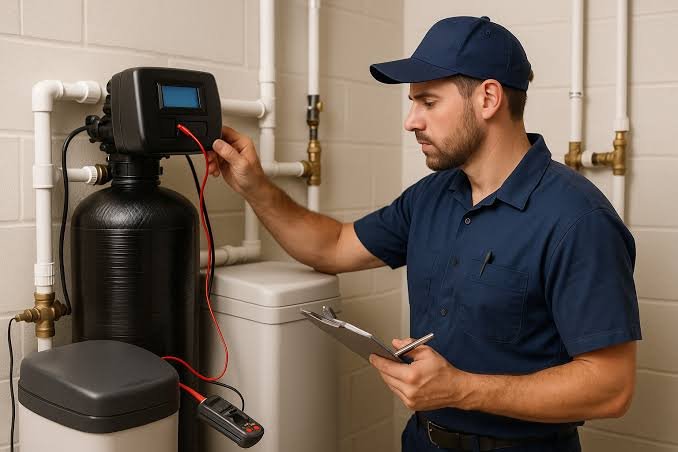
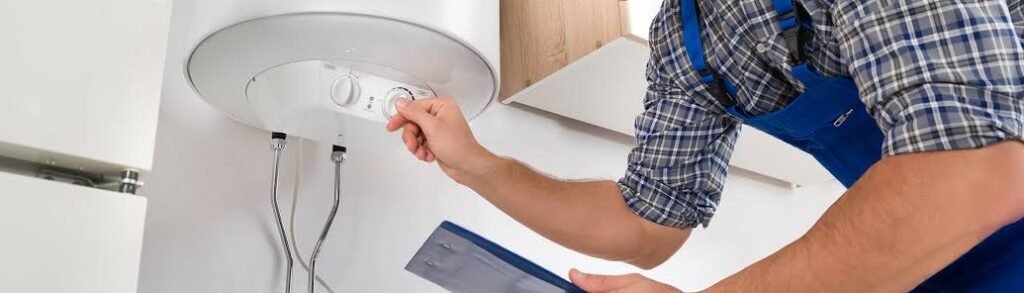
Strange popping sounds, rusty water, inconsistent temperatures, visible corrosion, or moisture around the unit can all be signs that an inspection is worthwhile.
Storage tanks can accumulate sediment, particularly when water contains significant mineral content. Sediment can interfere with heating efficiency and contribute to unusual noises. Tankless systems have different maintenance requirements and may need periodic descaling depending on local water conditions.
If the equipment is older and already showing several warning signs, planning ahead can be smarter than waiting for a complete failure.
Nobody wants to discover they need a new water heater on a Sunday evening with no hot water and a house full of guests.
Slow Drains Are Useful Clues
A slow drain isn’t always an emergency. But a drain that repeatedly slows down deserves more attention.
Kitchen sinks commonly deal with grease and food residue. Bathroom drains collect hair, soap residue, and other buildup. Over time, these materials can restrict water flow.
The problem comes when homeowners repeatedly treat the symptom without addressing the cause.
Chemical drain cleaners may provide temporary relief in some situations, but they aren’t the right answer for every blockage. Persistent problems may require mechanical cleaning or a closer inspection of the drainage line.
If several drains begin slowing down at approximately the same time, that’s particularly worth noting. The problem may be farther along the system rather than inside one individual fixture.
Know What You Can Fix Yourself
There are plenty of small plumbing jobs a reasonably handy homeowner can handle.
Cleaning a faucet aerator, replacing a toilet flapper, tightening an accessible connection, or changing a showerhead may be manageable without professional assistance.
The important part is knowing where to stop.
If water is leaking behind a wall, sewage is involved, the main supply line needs attention, or a repair requires significant pipe modification, professional assistance is generally the safer option.
Before any DIY repair, know how to shut off the water. Every household should know where the main shutoff valve is located. It’s not something you want to search for while water is pouring through the ceiling.
Prevention Is Mostly About Paying Attention
Plumbing maintenance doesn’t have to become a complicated household project.
Check exposed pipes occasionally. Look beneath sinks. Watch for changes in water pressure. Pay attention to unusual sounds. Don’t flush inappropriate materials. Keep grease and oils out of drains. Inspect around the water heater once in a while.
If you own an older home, periodic professional inspections can also be worthwhile. Aging pipes, valves, and connections may not show obvious symptoms until they fail.
Keeping records helps too. Write down when major plumbing repairs were completed and when appliances were installed. A little history makes future decisions much easier.
Reliable Plumbing Is About More Than Repairs
A dependable plumbing system isn’t one where nothing ever goes wrong. Homes age. Fixtures wear out. Pipes develop problems. Water heaters eventually reach the end of their service life.
What matters is how those problems are handled.
A dripping faucet shouldn’t necessarily cause panic, but it shouldn’t be ignored for years either. A slow drain might be ordinary buildup—or it could be an early warning. A small leak can remain small, or it can quietly damage an entire section of a home.
The best approach is simple: pay attention, maintain what you can, and bring in professional help when the situation calls for it.
Plumbing isn’t glamorous. Nobody brags about having beautifully maintained supply lines at a dinner party. But when everything works quietly and reliably, you notice the difference every day. And honestly, that’s the whole point.