Water is one of the few things in a home that touches almost everything. It goes into coffee makers, washing machines, cooking pots, and drinking glasses. It runs through showers and pipes, too. When the water supply has an unusual taste, leaves chalky deposits, or creates concerns about cleanliness, the issue can quickly become part of everyday conversation.
Still, choosing a water treatment solution isn’t as simple as picking the system with the longest list of features. Different technologies solve different problems, and a setup that works well for one property may be unnecessary for another. A little understanding can save homeowners money, time, and plenty of frustration.
Begin with a Clear Picture of Your Water
The first step is to understand the water entering the home. Is it supplied by a municipal utility, a private well, or another source? Has the taste changed recently? Are there visible particles, mineral deposits, or recurring plumbing concerns?
These questions help establish where to begin, but they don’t replace testing. Water can look perfectly clear and still contain dissolved substances that aren’t visible. A recent utility water quality report may be useful for municipal customers, while private-well owners often benefit from laboratory testing suited to local conditions.
Testing should focus on relevant concerns rather than simply selecting the largest package available. Depending on the situation, analysis may include hardness, pH, iron, manganese, nitrates, bacteria, or specific chemical contaminants.
Understanding Reverse Osmosis Systems for Drinking Water
Reverse osmosis is widely used when homeowners want an additional treatment step for water used in drinking and cooking. The technology pushes water through a semi-permeable membrane, reducing many dissolved substances along the way.
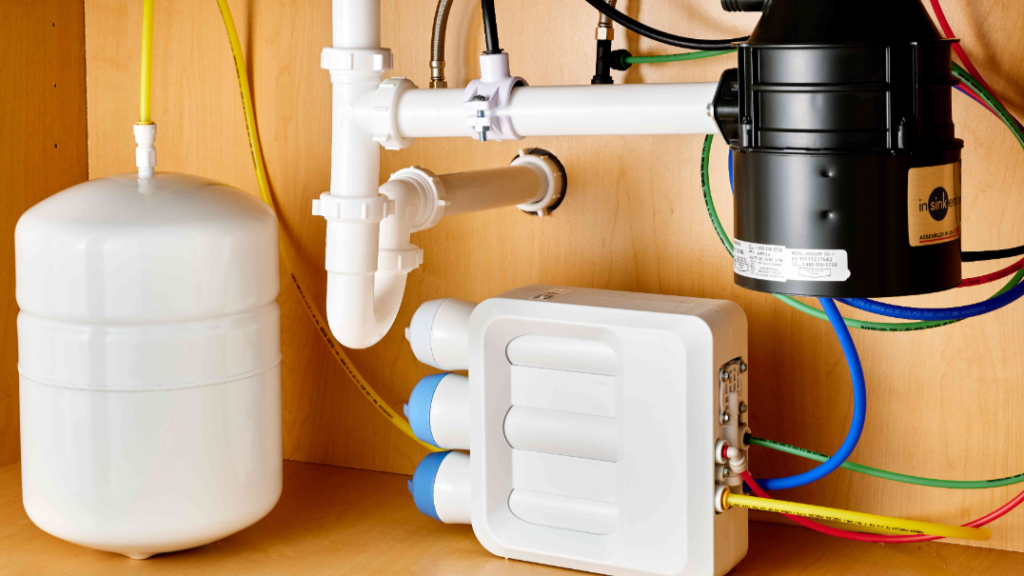
Reverse osmosis systems / drinking water solutions are often installed under a kitchen sink and may include sediment filters, carbon filters, a membrane, and a storage tank. Some newer designs use tankless configurations, while others include remineralization stages to adjust the final water characteristics.
These systems can be useful when the water test identifies substances the membrane is designed to reduce. However, reverse osmosis isn’t suitable for every concern, and it can produce wastewater during operation. Filters and membranes also need periodic replacement.
Before buying, check the system’s performance claims, water pressure requirements, flow rate, filter costs, and certification information where relevant. A system should be selected for a specific purpose, not simply because RO is a familiar name.
What Makes a Tankless RO System Different?
Traditional under-sink RO systems often store treated water in a tank so it’s available when needed. Tankless RO systems, by contrast, generally produce filtered water on demand and use a more compact design.
A tankless ro setup may appeal to homeowners with limited cabinet space or those who prefer a modern, streamlined installation. Many models also include monitoring features and efficient membrane designs, although performance varies by manufacturer.
Tankless systems still require proper maintenance and adequate water pressure. Their actual flow rate may differ from the headline figure, especially under real household conditions. It’s worth checking how quickly the system can produce water and whether it includes a filter-life indicator.
The right choice depends on usage habits. A household that fills large bottles frequently may have different needs from someone who mainly uses filtered water for tea and cooking.
Exploring Salt-Free Water Systems
Hard water is another common concern. Calcium and magnesium can create scale on faucets, showerheads, and water heaters. They may also make cleaning more difficult and leave spots on glassware.
A salt-free water system is often marketed as a way to reduce the effects of hardness without using salt or requiring the same regeneration process as a traditional ion-exchange softener. Many salt-free systems use template-assisted crystallization or similar conditioning methods.
It’s important to understand the distinction between water conditioning and water softening. Salt-free conditioners generally do not remove calcium and magnesium from the water. Instead, they may alter how those minerals form scale on surfaces. Results can depend on water chemistry, flow conditions, and the product design.
For households that specifically need hardness reduction, a conventional softener may be more appropriate. For others, scale control without salt handling may be a worthwhile consideration. Testing and realistic expectations are essential.
Choosing Between Point-of-Use and Whole-Home Treatment
Not every water concern needs to be addressed at every tap. If the main goal is better-tasting drinking water, a point-of-use system may be sufficient. If sediment, chlorine, or hardness affects the entire property, whole-home treatment may make more sense.
Point-of-use systems are usually installed at a particular faucet or appliance. Whole-house systems are installed centrally and treat water before it reaches multiple fixtures.
The decision should consider water usage, installation space, plumbing layout, and budget. A whole-home system may offer broader coverage, but it can also involve more equipment and ongoing maintenance. A smaller system may be easier to manage if the concern is limited to drinking water.
Installation Details That Matter
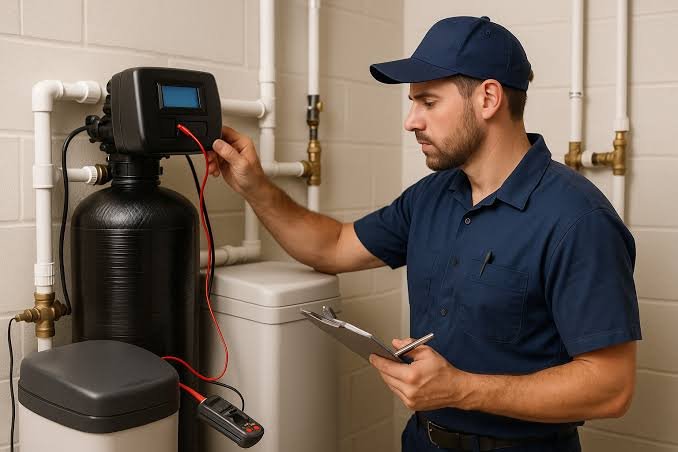
Even the right equipment can perform poorly if it’s installed incorrectly. Water pressure, flow rate, drain connections, electrical requirements, and available space all influence how a system operates.
Before installation, ask whether pre-filtration is needed, how the system will be bypassed during service, and where replacement components can be accessed. For under-sink systems, cabinet space is particularly important. For whole-house equipment, the installer should consider peak household demand.
Professional installation can also help prevent leaks, incorrect connections, and avoidable pressure problems. A good installation should make future maintenance easier, not turn it into a complicated chore.
Maintenance Is Part of the Purchase
Water treatment equipment needs regular attention. RO filters and membranes require replacement, while conditioning systems may need inspection or cleaning. Ignoring maintenance can reduce performance and increase operating costs.
Ask for a maintenance schedule before purchasing. Find out how often filters need changing, what replacement parts cost, and whether service is available locally. It’s also wise to understand whether the system produces wastewater or requires electricity.
Keep a record of service dates and watch for changes in taste, pressure, or water appearance. These details can help identify issues early.
A Thoughtful Approach Leads to Better Results
The right water treatment system is the one that fits the water, the property, and the household’s actual needs. Reverse osmosis can be useful for selected drinking-water concerns, tankless designs may offer convenience and space savings, and salt-free conditioners may appeal to homeowners focused on scale control without traditional salt use.
But no technology should be chosen on marketing language alone. Start with testing, understand what each system can and cannot do, and consider long-term maintenance before making a purchase.
Better water quality is rarely about installing the most equipment. It’s about making a decision that works reliably, day after day, without unnecessary complexity.