Water is one of those everyday necessities most people rarely think about until something goes wrong. We turn on the tap, fill a glass, wash vegetables, or run a bath without wondering what may be hiding inside the supply. Yet water can carry minerals, sediment, bacteria, chemicals, and other contaminants that affect its taste, appearance, safety, and even the lifespan of household plumbing.
Whether your home receives water from a private well or a municipal supply, understanding what is in your water is an important part of maintaining a healthy and comfortable household. The right treatment approach does more than improve taste. It can protect appliances, reduce unpleasant odors, and provide greater confidence in the water your family uses every day.
Why Water Quality Deserves More Attention
Not all water problems are easy to recognize. Cloudy water, a metallic taste, or a rotten-egg smell may immediately raise concerns, but some contaminants have no visible signs at all. That’s why relying only on appearance or taste isn’t enough to determine whether water is safe.
Common water concerns include hard water minerals, iron, manganese, sediment, chlorine, bacteria, nitrates, and certain naturally occurring chemicals. The specific issues depend on the water source, local geology, nearby land use, and the condition of the plumbing system.
For homeowners, water quality issues can create several challenges at once. Hard water may leave scale on faucets and showerheads, while iron can stain sinks, tubs, and laundry. Sediment may clog filters or damage fixtures. In some cases, contaminants can create health concerns, making professional testing a sensible first step rather than an optional extra.
Private Wells Require Special Consideration
Homes that rely on private wells have a different responsibility from properties connected to a regulated public water system. A well owner is generally responsible for monitoring the condition of the water and making sure the equipment remains effective.
Groundwater can pick up minerals and contaminants as it moves through soil and rock. Agricultural activity, septic systems, flooding, and changes in the surrounding environment may also influence water conditions. Even if well water has always seemed clear and fresh, its quality can change over time.
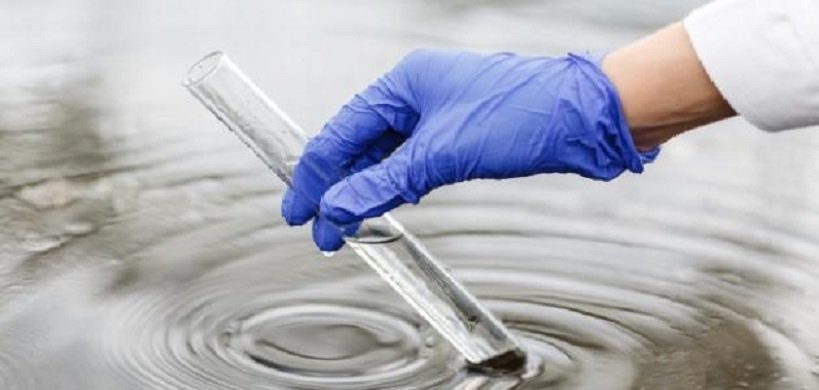
A proper well water treatment plan begins with testing. The results can identify whether the water contains excessive hardness, iron, sulfur, bacteria, or other substances. Without testing, homeowners may spend money on equipment that addresses the wrong problem. For example, a standard softener may help with calcium and magnesium but won’t solve every bacterial or chemical concern.
Testing Helps You Choose the Right Solution
Water treatment should never be based on guesswork. A water test provides a clearer picture of what needs to be removed or reduced. Depending on the water source and suspected concerns, testing may examine hardness, pH, iron, manganese, total dissolved solids, bacteria, nitrates, and other contaminants.
It’s also important to understand that one test may not answer every question. Well owners may need routine bacterial testing, particularly after flooding, repairs, or changes in taste and smell. Municipal water users can review local water quality reports, but testing at the tap may still be useful when older plumbing or household-specific concerns are involved.
Once the results are available, a water professional can recommend treatment based on the actual conditions. This approach is more practical than choosing a system simply because it is popular or heavily advertised.
Common Water Treatment Options
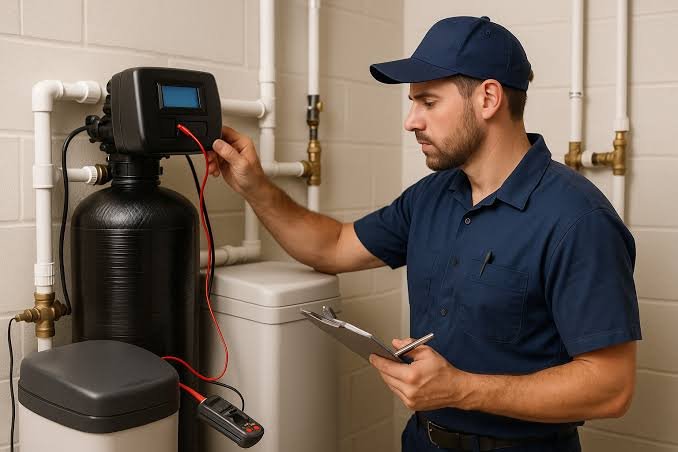
Different water problems require different technologies. A water softener is commonly used to reduce hardness caused by calcium and magnesium. By limiting scale buildup, it can help protect water heaters, dishwashers, washing machines, and plumbing fixtures. Softened water may also make soap work more effectively and reduce the rough feeling some people notice after bathing.
Whole-house filtration systems are designed to treat water as it enters the home. Depending on the filter media, these systems may reduce sediment, chlorine, odors, certain chemicals, or other unwanted substances. The exact performance depends on the system’s design and certification, so homeowners should check what a filter is actually rated to remove.
For drinking and cooking water, reverse osmosis systems are another option. These systems use a specialized membrane to reduce many dissolved contaminants. They are often installed at a dedicated faucet in the kitchen, although some homes use more extensive configurations. Reverse osmosis can be useful, but it also produces wastewater and may require additional filtration or remineralization depending on the setup.
Treating Water for the Whole Home
One of the biggest decisions homeowners face is whether to treat all household water or focus only on drinking and cooking water. The answer depends on the contaminants involved and how the water is used.
If the main concern is chlorine taste, a point-of-use filter may be enough. But if water contains high levels of iron, sulfur, sediment, or hardness, a whole-home system may offer more practical benefits. Treating water at the entry point can prevent contaminants from traveling through the plumbing and affecting multiple fixtures.
Whole-home systems may include sediment filters, carbon filtration, water softeners, iron removal equipment, ultraviolet disinfection, or specialized treatment for specific contaminants. These components are not interchangeable. A system should be selected according to laboratory results, household water demand, maintenance needs, and available installation space.
Maintenance Is Part of Water Safety
Installing a treatment system is not the end of the process. Filters need to be replaced, softeners require salt or regeneration management, and ultraviolet systems need lamp maintenance to remain effective. Neglecting these tasks can reduce performance and, in some cases, create new problems.
Homeowners should keep a simple maintenance schedule that includes filter changes, system inspections, salt checks, and periodic water testing. It’s also wise to pay attention to changes in pressure, taste, odor, or water appearance. These signs may indicate that a filter is exhausted or that the source water has changed.
Professional servicing can be especially valuable for complicated systems or homes with several treatment stages. Regular attention helps protect the investment and ensures the equipment continues doing what it was installed to do.
Making a Thoughtful Long-Term Decision
The best water treatment system is not necessarily the largest or most expensive one. It is the system that addresses the actual water problem without adding unnecessary complexity. Homeowners should consider installation costs, operating expenses, replacement parts, maintenance requirements, and the long-term availability of service.
It’s also worth asking whether a provider offers clear testing information and explains the purpose of each treatment component. A trustworthy professional should be able to describe what the system removes, what it does not remove, and how often it needs attention.
Ultimately, protecting drinking water quality is about making informed choices rather than chasing quick fixes. Testing reveals the problem, proper equipment addresses it, and regular maintenance keeps the solution working. With that approach, homeowners can enjoy cleaner, better-tasting water while protecting their plumbing, appliances, and everyday peace of mind.