Water is one of those things most people don’t think about until something goes wrong. A strange taste in the morning coffee, white spots around the faucet, an odd smell from the shower, or cloudy water in a glass can suddenly make something as ordinary as turning on the tap feel like a question mark.
The good news is that improving household water doesn’t always mean making life complicated. The right treatment approach depends on what’s actually in your water, how much water your household uses, and what you want the system to accomplish. A little testing and planning can go a long way.
Start by Understanding What’s in Your Water
Before choosing a filtration system, it’s worth finding out what you’re dealing with. Municipal water and private well water can have very different characteristics. Even homes in the same neighborhood may experience different plumbing-related issues.
Common concerns include chlorine taste and odor, sediment, hardness minerals, iron, sulfur compounds, and certain dissolved contaminants. Some problems are obvious, while others aren’t noticeable by taste, smell, or appearance at all. That’s why water testing can be more useful than simply buying a system based on a neighbor’s recommendation.
Once you know the problem, choosing treatment becomes much more straightforward.
Whole-Home Filtration Has a Practical Advantage
If the goal is to improve water throughout the house, point-of-use treatment isn’t always enough. A kitchen filter may improve the water you drink, but it doesn’t do anything for the water coming through your shower, laundry room, bathroom faucets, or other fixtures.
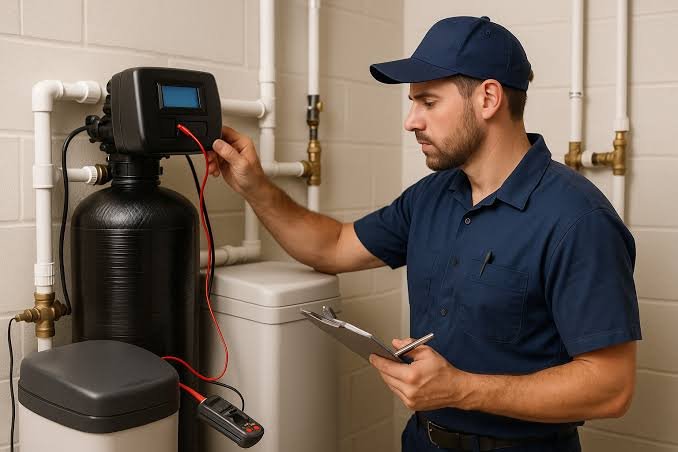
That’s where filters & whole-home filtration systems can make a meaningful difference. These systems are installed at a central point where water enters the home, allowing treated water to reach multiple fixtures.
Depending on the setup, filtration can help reduce sediment, chlorine, unpleasant odors, and other unwanted substances. It can also make everyday routines feel better. Cleaner-feeling shower water, fewer concerns about water odors, and better-tasting water from different taps can add up over time.
Still, no single filter removes everything. That’s an important detail that sometimes gets lost in the sales pitch. The filter should match the specific water-quality issue.
When Reverse Osmosis Makes Sense
Whole-home filtration and drinking-water treatment don’t necessarily have to compete. In many homes, they work together.
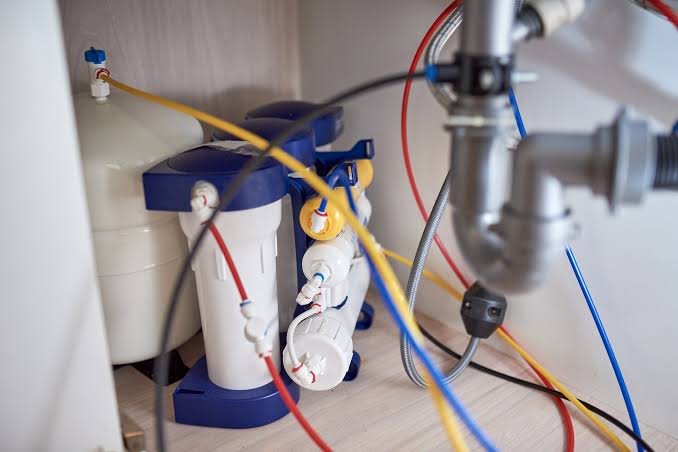
A reverse osmosis system is designed for more intensive treatment at a specific drinking-water location, usually the kitchen sink. It pushes water through a semipermeable membrane that can reduce many dissolved substances that ordinary sediment or carbon filters may not address.
For households concerned about dissolved contaminants or simply wanting highly treated water for drinking and cooking, reverse osmosis drinking water systems can be a useful option. They’re particularly practical when you don’t need every gallon used for laundry, bathing, or cleaning to go through the same intensive treatment process.
The trade-off is that reverse osmosis systems require proper installation and maintenance. Filters and membranes need replacement according to the system’s requirements, and the unit should be checked periodically to keep performance consistent.
Don’t Ignore Hard Water
Not every water problem is really a filtration problem. Hard water is a good example.
Hard water contains minerals such as calcium and magnesium. It isn’t usually something people think of as dangerous, but it can create plenty of household headaches. Scale may build up around faucets and showerheads, soap may lather poorly, and appliances that use water can accumulate mineral deposits.
A water softener is designed specifically for hardness. Trying to solve every issue with a general-purpose filter can therefore be the wrong approach. Sometimes the smartest setup combines different technologies, with each one handling a particular job.
It’s a bit like fixing a toolbox. You don’t use a screwdriver for every task just because it’s already sitting there.
Think About What You Actually Need to Treat
There’s a temptation to choose the biggest, most sophisticated system available. Bigger isn’t automatically better, though.
A household with relatively clean municipal water may need a very different setup from a rural property using a private well. Water quality, household size, flow rate, plumbing configuration, and specific contaminants all matter.
For drinking and cooking, drinking water systems can provide targeted treatment without requiring the entire household water supply to receive the same level of filtration.
This targeted approach can also make maintenance easier. Instead of maintaining one complicated system that tries to solve every possible water issue, homeowners can use treatment equipment that has a clear purpose.
Maintenance Is Part of Water Quality
Installing equipment is only the beginning. Filters become less effective when they’re overdue for replacement. Membranes can lose performance. Softener components may need attention. Connections and tanks should also be inspected as part of routine care.
A simple maintenance calendar can help. Write down installation dates, filter changes, membrane replacements, and service appointments. It sounds almost too basic, but it’s surprisingly easy to forget these things after the system has been running quietly for months.
Regular maintenance also provides an opportunity to notice changes in water pressure, taste, smell, or appearance before they become bigger problems.
The Best System Starts With a Real Water Problem
Water treatment isn’t really about buying the most equipment. It’s about matching the equipment to the water.
If sediment is the issue, filtration may be the answer. If hardness is creating scale, softening may be more appropriate. If dissolved contaminants are a concern, reverse osmosis or another specialized treatment method may deserve consideration.
Testing first and choosing second is usually a more sensible path than guessing.
And there’s something reassuring about knowing exactly why your system is there. Instead of wondering whether a filter is doing anything useful, you can understand what it was designed to remove and when it needs attention.
Clean, pleasant water may not be something guests notice when they visit your home. But you notice it every day—in the glass beside your bed, in the coffee pot, during a shower, and while cooking dinner. That everyday experience is precisely why choosing and maintaining the right water treatment system is worth the effort.