Water is easy to take for granted. It runs through the kitchen tap, fills the washing machine, and disappears down the shower drain without asking for much attention. But when the water contains high levels of hardness minerals, those ordinary routines can become a little more difficult. Dishes need extra polishing, bathroom surfaces collect residue, and soap doesn’t seem to work quite the way it should.
For households dealing with hard water, the goal isn’t necessarily to change every part of the home. Sometimes, a targeted water treatment solution can make a noticeable difference. Understanding what hard water affects—and what treatment can realistically improve—helps homeowners make practical decisions without spending money blindly.
Why Hard Water Changes Everyday Cleaning
Hard water typically contains calcium and magnesium picked up as groundwater moves through mineral-rich soil and rock. These minerals are not usually a reason to panic, but they can interact with soap, detergents, and heated surfaces.
When soap reacts with hardness minerals, it may leave behind a residue that clings to sinks, bathtubs, dishes, and skin. Detergents can also become less effective, which may encourage people to use more product than necessary.
The result is familiar to many homeowners: a clean-looking kitchen that still has cloudy glasses, or a shower that requires frequent scrubbing despite regular cleaning. It’s not always a cleaning-habit issue. Sometimes, the water itself is contributing to the mess.
The Difference Softer Water Can Make in the Kitchen
The kitchen is one of the first places where water quality becomes noticeable. Glasses may develop white spots, plates can lose their shine, and silverware sometimes comes out of the dishwasher looking less than spotless.
For households with hard water, cleaner dishes & glassware can be one of the most appreciated benefits of reducing hardness. Softer water allows soap and detergent to work with fewer mineral interactions, which may help reduce residue and improve the appearance of washed items.
Of course, results depend on the dishwasher, detergent, water temperature, and severity of the hardness. Softened water won’t fix every dishwasher problem. Still, when mineral deposits are the main culprit, addressing the water can make routine cleaning less frustrating.
Protecting Appliances From Mineral Deposits
Water-using appliances deal with the effects of hard water repeatedly. Dishwashers, washing machines, coffee makers, and water heaters all encounter minerals as part of their normal operation.
When water is heated, calcium and magnesium can form deposits on internal surfaces. Over time, these deposits may affect heating efficiency and increase maintenance requirements. Coffee makers, for example, may develop mineral residue that affects performance or changes the taste of brewed coffee.
A properly maintained softening system can help reduce scale buildup by lowering the concentration of hardness minerals entering the household plumbing. This doesn’t mean every appliance will remain deposit-free forever, but it can reduce one of the main causes of mineral accumulation.
Appliance-specific cleaning is still important. Water treatment works best as part of a broader maintenance routine, not as a replacement for it.
What Softer Water Means for Showers
The bathroom is another place where hard water leaves its mark. Mineral residue can collect on showerheads, faucets, tiles, and glass doors. Soap scum may become more stubborn, making the bathroom feel like it needs cleaning again just after you’ve finished.
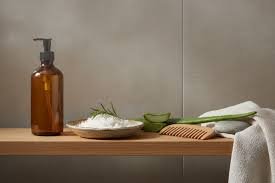
Softer water can help soap rinse away more easily and may reduce the residue left on bathroom surfaces. For some people, the difference is especially noticeable during showers, where hard water can leave a filmy or dry feeling.
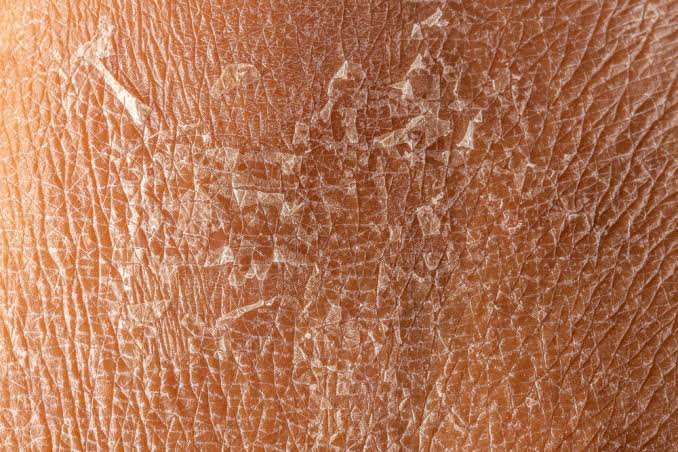
Homeowners interested in softer skin & hair often report that bathing feels more comfortable after installing a water softener. However, the experience varies from person to person. Skin and hair concerns can also be influenced by climate, skincare products, water temperature, and individual sensitivity.
A water softener is not a medical treatment or a guaranteed solution for dryness. But by reducing hardness minerals and soap residue, it may support a more pleasant bathing experience.
Laundry Benefits That Add Up Over Time
Laundry is another area where hard water can quietly increase household effort. Detergent may not perform as effectively, and mineral residue can remain in fabrics after repeated washing. Clothes may feel stiff, towels can lose some of their softness, and bright colors may appear less vibrant over time.
Softer water can help detergents work more efficiently, potentially reducing the amount needed for certain loads. It may also help fabrics rinse more thoroughly, though results depend on the detergent, washing machine, water temperature, and fabric type.
That said, a water softener won’t replace good laundry habits. Using the correct detergent quantity, avoiding overloading, and selecting suitable wash cycles still matter. Water quality is simply one part of the equation.
Selecting a Treatment System Carefully
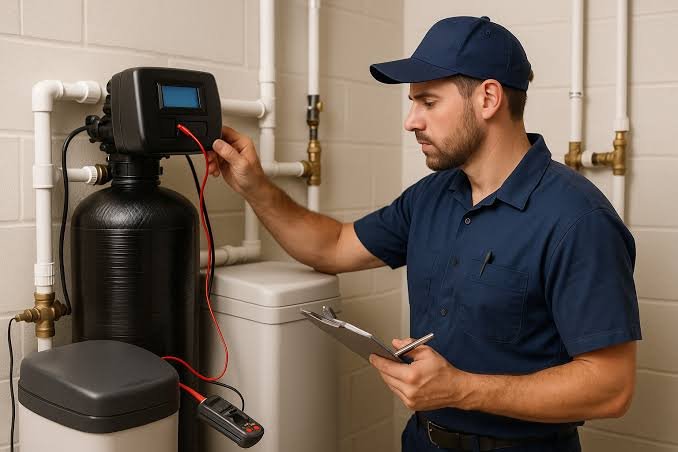
If hard water is causing repeated problems, a water softener may be worth considering. But choosing the right system starts with understanding the water itself.
A water test can identify hardness levels and reveal whether other concerns, such as iron, sediment, or unpleasant odors, are present. This matters because softeners are designed primarily to address hardness minerals. They are not intended to remove every possible contaminant.
System size also matters. A household with two people and one bathroom will have different water demands from a large family with multiple bathrooms and frequent laundry loads. An appropriately sized system is more likely to provide consistent performance without unnecessary regeneration or salt consumption.
Homeowners should also consider installation space, drainage, maintenance requirements, and long-term operating costs before making a purchase.
Maintenance Shouldn’t Be Overlooked
A water softener can only perform well when it receives regular attention. Salt-based systems need salt replenishment, and the brine tank may require periodic cleaning or inspection. Some homes may also benefit from pre-filtration, especially if sediment or other water-quality concerns are present.
Following the manufacturer’s recommendations is a sensible starting point. It’s also worth monitoring changes in water feel, appliance performance, and salt usage. If hard water symptoms return unexpectedly, the system may need servicing, adjustment, or a closer look at the incoming water supply.
Routine maintenance is rarely exciting, but it helps protect the investment and keeps the system working as intended.
A Practical Improvement, Not a Magic Fix
Better water quality can make everyday household tasks easier, particularly when hard water is responsible for mineral spots, soap residue, or appliance deposits. Cleaner dishes, more manageable laundry, and a more comfortable shower experience are all realistic reasons homeowners explore treatment options.
Still, expectations should remain practical. Water softening addresses hardness; it doesn’t solve every water-quality issue. The most useful decision is one based on testing, household needs, and a clear understanding of what the system can do.
When chosen thoughtfully and maintained properly, water treatment can take care of a problem that often goes unnoticed until it becomes a daily annoyance. And sometimes, making home life better really does come down to something as simple as the water coming out of the tap.