Water treatment can sound far more complicated than it needs to be. Walk into a home-improvement store or start browsing online and you’ll quickly find a maze of filters, cartridges, tanks, membranes, softeners, and systems promising cleaner, purer, better-tasting water. After a while, they can all start to look alike.
But water quality isn’t really a shopping problem. It’s a household problem.
Maybe the water leaves white marks on your glasses. Maybe there’s an occasional chlorine taste. Perhaps sediment appears after plumbing work, or you simply want better water at the kitchen sink. The right treatment depends on what is happening in your water, how much water your household uses, and what you actually want to improve.
Starting there makes the entire process less overwhelming.
Look at the Water Before Looking at the Equipment
One of the smartest things a homeowner can do is test the water before purchasing treatment equipment. It sounds obvious, but it’s often skipped.
Water testing can reveal information about hardness, pH, iron, manganese, chlorine, and other characteristics. Depending on the source and concerns involved, additional testing may be appropriate.
Why does this matter? Because a filter designed to catch sediment isn’t going to solve every dissolved-water problem. Likewise, a system designed to reduce chlorine isn’t necessarily intended to soften hard water.
A little information at the beginning can prevent an expensive mistake later.
Whole-Home Filtration Has a Different Job
If your concern affects water throughout the house, treating only one faucet may not be enough.
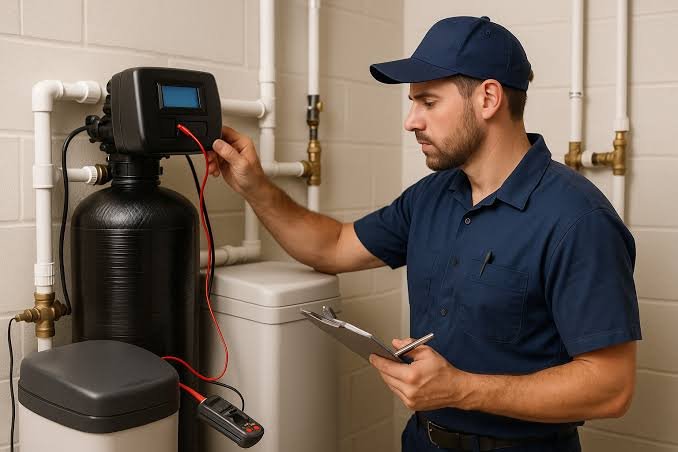
whole-home water filtration systems are installed on the incoming water line so treated water can flow through multiple fixtures. Depending on the equipment, these systems may be designed to reduce sediment, chlorine, certain odors, or other targeted substances.
This can be particularly useful when the problem isn’t limited to drinking water. You may want improved water quality in showers, bathrooms, laundry areas, and other parts of the house.
However, “whole-home” doesn’t automatically mean “removes everything.” The filter media and system design determine what the equipment can actually address.
That’s an important distinction when comparing products.
Under-Sink Filters Can Be a Simple Alternative
Not every homeowner needs to treat every gallon entering the house.
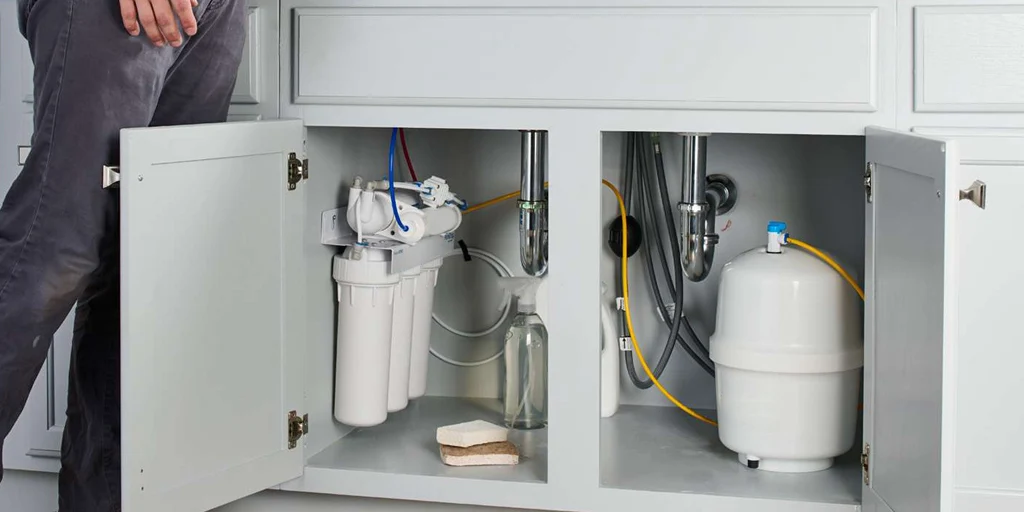
If your main priority is drinking and cooking water, a point-of-use system may be more practical. under-sink water filters sit beneath the kitchen counter and treat water at a dedicated faucet or the existing tap, depending on the system.
They can save space compared with larger whole-home equipment and may be easier to maintain. They’re also useful when the household has a specific concern about drinking water rather than a problem affecting every fixture.
The trade-off is coverage. Water from the shower or bathroom sink isn’t treated by a kitchen-only filter.
For some homes, that’s perfectly fine. There’s no reason to pay for whole-house treatment if your actual goal is simply better water for the kitchen.
Why Activated Carbon Is So Common
Activated carbon is one of the most familiar filtration materials, and there’s a good reason for that. It has a large surface area that can adsorb certain substances as water passes through it.
activated carbon water filtration is commonly used to improve taste and odor and to reduce certain contaminants, depending on the carbon type, system design, and certification.
It’s particularly associated with reducing chlorine-related taste and smell in treated municipal water. But carbon isn’t a universal solution. Performance depends on contact time, cartridge capacity, water chemistry, and the substances being targeted.
A filter that works well when new may become less effective once it reaches its capacity. That’s why replacement schedules aren’t just a manufacturer’s suggestion to sell more cartridges—they’re part of keeping the system functioning properly.
Think About Flow and Water Pressure
Technical specifications can be boring until they affect your morning shower.
Every treatment system has a capacity. If the household regularly uses several fixtures at once, the equipment needs to handle that demand without creating an unnecessary restriction.
Flow rate and pressure should therefore be considered during selection. A system that is perfect for a small apartment may not be appropriate for a larger home with several bathrooms.
Installation conditions matter too. Pipe size, available space, drainage, and existing pressure can all influence the performance of a treatment system.
Getting these details right upfront is much easier than trying to fix poor water pressure after installation.
What About Filter Life?
Two filters can look almost identical and have very different service lives.
Filter capacity depends on what the cartridge is removing, how contaminated the incoming water is, and how much water the household uses. A family of five can move through a cartridge much faster than one person living alone.
Don’t judge a filter solely by the number printed on the packaging. Ask what that capacity means under actual operating conditions.
It’s also helpful to understand the signs that a filter needs replacement. Some systems have indicators, while others rely on a schedule. Changes in taste, odor, flow, or performance can sometimes provide clues, although you shouldn’t wait for a noticeable problem if the manufacturer specifies a replacement interval.
Maintenance Should Be Easy Enough to Actually Do
A water treatment system that requires complicated maintenance may become neglected simply because life gets in the way.
Before buying, find out how cartridges are replaced and whether specialized tools are required. Ask how often service is recommended and what replacement parts cost.
If the system uses multiple cartridges, understand what each one does. This makes it easier to maintain the equipment correctly instead of replacing everything at random.
A simple maintenance calendar on your phone can help. Set reminders for filter changes and periodic checks, then forget about it until the reminder appears. No drama.
Don’t Let Marketing Make the Decision
Water-treatment advertising can be persuasive. Words like “pure,” “advanced,” and “maximum protection” sound impressive, but they don’t tell you exactly what a system does.
Look for specific information.
What contaminants does it reduce? Is the performance independently certified? What is the expected filter life? What flow rate can it support? Does installation require changes to the plumbing?
If a company can’t clearly explain those details, take a step back.
The best equipment isn’t necessarily the one with the most features. It’s the one whose capabilities line up with your water quality and household goals.
Think About Long-Term Value
Price matters, but purchase cost is only one part of the equation.
Consider filter replacements, service visits, electricity where applicable, water usage, installation, and the expected lifespan of major components. A system that costs less upfront may not remain inexpensive if its filters need frequent replacement.
Likewise, an expensive system isn’t automatically a better investment.
Think in terms of value over several years. If a system reliably addresses a real water concern and is reasonably easy to maintain, that’s often worth more than a bargain system that doesn’t quite solve the problem.
A Good System Should Make Life Easier
The purpose of water filtration isn’t to give you another household chore. Ideally, it should remove one.
You should be able to fill a glass without wondering about the taste. Take a shower without thinking about what’s coming through the pipes. Wash dishes without constantly fighting residue.
Getting there starts with a simple process: understand your water, identify the problem, choose treatment that matches it, and maintain the equipment once it’s installed.
There is no perfect system for every home. That’s actually good news. It means you don’t have to chase a one-size-fits-all solution.
Choose based on evidence, household needs, and long-term practicality. When those three things line up, water treatment stops feeling like a confusing purchase and starts becoming what it should have been all along—a quiet improvement to everyday life.