Water treatment is one of those home improvements you appreciate most when you don’t have to think about it. The shower feels normal, dishes come out clean, the water tastes good, and the appliances aren’t covered in stubborn mineral deposits. Then something changes. Water pressure drops. A filter gets forgotten. The softener stops behaving the way it used to.
Usually, the equipment isn’t the only thing to blame. Like almost everything else in a home, water systems work best when they’re given a little attention along the way.
Start by Knowing What Your System Is Supposed to Do
Before worrying about maintenance, understand what equipment you actually have.
A home might use a sediment filter, carbon filtration, a water softener, reverse osmosis, or a combination of several technologies. Each component has a different job. A softener isn’t designed to handle every contaminant, and a drinking-water filter isn’t necessarily intended to treat the entire home.
Knowing the purpose of each component makes troubleshooting much easier. If you notice scale returning, for example, you’ll know to investigate the hardness-treatment side rather than immediately replacing a drinking-water filter.
It sounds obvious, but plenty of homeowners inherit systems without ever receiving a proper explanation of what each tank, cartridge, or valve actually does.
Routine Maintenance Is Easier Than Emergency Repairs
Nobody wakes up excited to inspect a filtration system. Still, a few minutes of attention can prevent a much bigger headache.
Regular system maintenance may include replacing filters, checking connections, inspecting tanks, monitoring salt levels where applicable, and making sure settings remain appropriate. The exact schedule depends on the equipment and water conditions.
Don’t wait until the water tastes strange or pressure drops dramatically before checking everything. A maintenance routine should be boring. That’s actually a good sign.
Keep a simple record of service dates and replacement parts. A note in your phone is enough. If a filter was changed six months ago, you’ll have a much better idea of whether it could be nearing the end of its useful life.
Seasonal Changes Can Affect Water Quality
Water conditions aren’t necessarily identical throughout the year.
Private wells, in particular, may experience changes related to rainfall, groundwater conditions, flooding, or nearby environmental activity. Municipal supplies can also have seasonal variations in taste or treatment characteristics.
That doesn’t mean every seasonal change is a cause for alarm. But if you notice something genuinely different, pay attention.
A sudden change in taste, odor, appearance, or pressure can be a reason to investigate. Sometimes the solution is simple. Other times, testing is the quickest way to separate a real water-quality concern from a plumbing issue.
Don’t Choose Equipment Without Looking at Your Water
It’s easy to get caught up in equipment specifications.
A system may advertise impressive flow rates, advanced filtration, or long filter life. Those features can matter, but they aren’t useful if the system isn’t designed for your particular water conditions.
Water testing provides a much better starting point. Hardness, sediment, pH, iron, and other characteristics can influence which treatment technology makes sense.
The same applies to household size. A two-person home with modest water use doesn’t necessarily need the same capacity as a busy household with multiple bathrooms.
The goal isn’t to buy the biggest system available. It’s to buy the right one.
What About Temporary Water Needs?
Not every water requirement is permanent.
People move, renovate homes, manage rental properties, host events, or deal with temporary plumbing situations. In those cases, permanent equipment may not always be the most practical answer.
Depending on the service provider and situation, flexible rental options can provide access to water equipment or supplies without committing to a long-term purchase. This can be useful when your needs are temporary or you’re still figuring out what kind of system fits your property.
The details vary widely, so always check what installation, maintenance, delivery, and removal are included. A low upfront cost isn’t necessarily a low total cost if additional fees appear later.
Pay Attention to Your Appliances
Your appliances can provide early clues about water conditions.
A coffee maker that develops scale unusually quickly may be reacting to hard water. A water heater with recurring mineral buildup may have similar issues. Dishwashers can also reveal changes through spotting or residue.
These signs aren’t definitive, but they can tell you when it’s time to investigate.
Appliance manuals may also provide useful maintenance recommendations. Follow them where possible. Water treatment can reduce certain problems, but it doesn’t eliminate the need to maintain the appliance itself.
Don’t Forget the Drinking-Water System
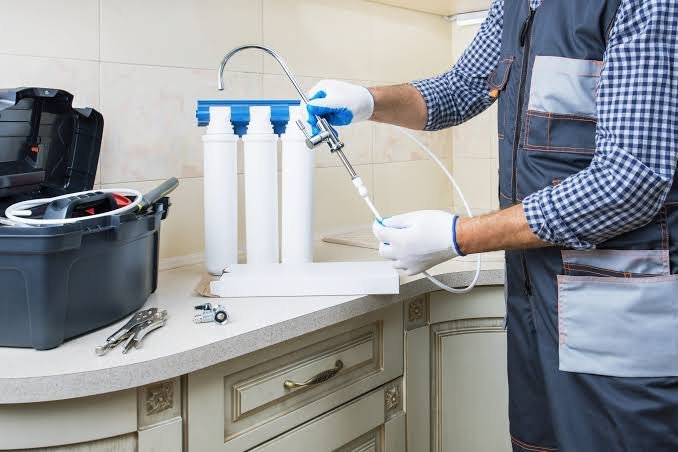
Point-of-use drinking-water equipment often gets ignored because it’s tucked under the sink.
That’s precisely why it can be forgotten.
Filters and membranes have service intervals, and those intervals shouldn’t be treated as optional suggestions. A system that isn’t maintained may gradually lose performance.
If your household depends heavily on treated drinking water, keep replacement filters available before the current one reaches the end of its expected life. Waiting until the last minute can turn a simple maintenance job into an unnecessary inconvenience.
Good Water Is About More Than Appearance
Clear water can still have characteristics worth addressing, while slightly cloudy water isn’t automatically dangerous. Appearance is only one part of the picture.
For drinking water, appropriate testing is especially important if you’re dealing with a private well or a noticeable change in quality. Treatment decisions should be based on actual conditions rather than assumptions.
When the water is properly evaluated and the equipment is appropriately selected, high-quality water becomes less about chasing an idealized standard and more about meeting the practical needs of the household.
That distinction matters. You don’t want to spend money removing something that isn’t actually a concern while overlooking the thing that is.
Know When to Call for Help
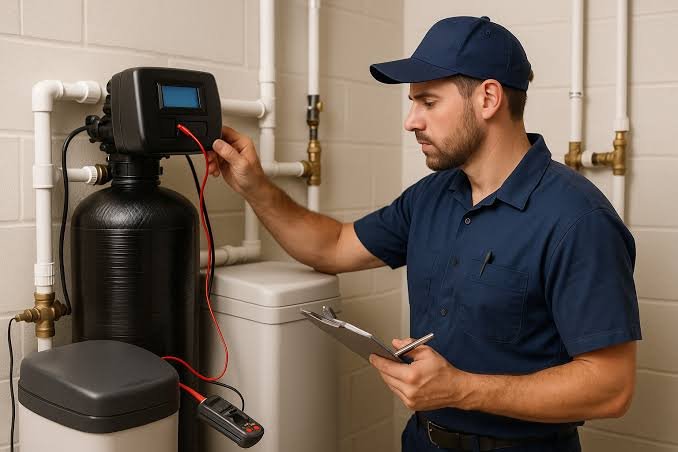
Some maintenance tasks are perfectly reasonable for homeowners. Replacing a cartridge filter or checking a salt level may be straightforward. Other jobs are better handled by someone familiar with the equipment.
Leaks, unusual noises, persistent pressure problems, electrical faults, repeated regeneration issues, or unexplained changes in water quality deserve more attention.
A qualified technician can also identify problems that aren’t obvious from the outside. Sometimes the issue isn’t the treatment equipment at all. A plumbing restriction, valve problem, pressure issue, or appliance may be responsible.
Good troubleshooting starts by finding the cause, not throwing replacement parts at the symptom.
A Little Planning Goes a Long Way
The easiest water-treatment system to live with is one that’s maintained before it becomes a problem.
Know what equipment you own. Understand what each component does. Test your water when appropriate. Keep track of filter changes and service appointments. Watch for changes in taste, odor, pressure, staining, or scale.
And when you’re unsure, ask for an explanation. There’s nothing wrong with wanting to know why a particular treatment is being recommended.
Water systems don’t need constant attention, but they do benefit from sensible care. A few small habits can protect equipment, reduce surprises, and keep your home’s water dependable throughout the year.
In the end, that’s really the point. Good water service shouldn’t feel like another project on your never-ending household to-do list. With the right equipment, realistic expectations, and a little maintenance, it can simply become part of how a well-run home works.