Water is one of those things most homeowners rarely think about until something seems off. The shower doesn’t feel quite right. Dishes come out of the dishwasher with cloudy spots. Faucets develop a chalky ring that somehow keeps returning, no matter how often you clean it. These small annoyances can be easy to dismiss, but they often point to an underlying water-quality issue.
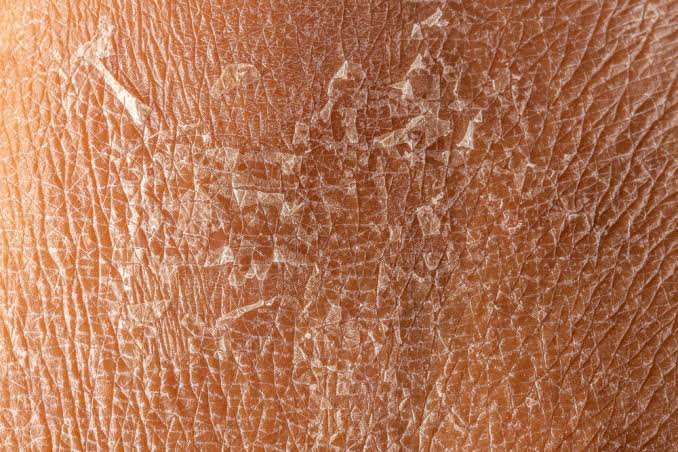
In Lancaster, PA, homeowners may encounter mineral-rich water that creates challenges throughout the house. Hard water isn’t usually an emergency, but over time it can affect plumbing, appliances, cleaning routines, and even the way water feels on your skin. Understanding what causes these issues is the first step toward making everyday water use simpler.
What Makes Water “Hard”?
Hard water contains elevated amounts of naturally occurring minerals, especially calcium and magnesium. These minerals enter groundwater as water moves through soil and rock. While calcium and magnesium aren’t inherently harmful in ordinary drinking-water concentrations, they can create practical problems around the home.
The signs can be surprisingly familiar. You might notice white deposits around faucets, streaks on shower doors, or soap that refuses to lather properly. Clothes may feel a little stiff after washing, while glasses can look cloudy even after a complete dishwasher cycle.
Over time, mineral deposits may also build up inside pipes and fixtures. That buildup can restrict water flow and make certain plumbing components work harder than they should.
The Everyday Cost of Mineral Buildup
One reason homeowners sometimes underestimate hard water problems is that they rarely happen all at once. Instead, the effects accumulate gradually.
Think about a water heater. When minerals settle inside the tank, sediment can collect around heating elements or at the bottom of the unit. The appliance may then need to work harder to heat water efficiently. Similar deposits can affect faucets, showerheads, washing machines, dishwashers, and other water-using appliances.
Cleaning becomes another headache. Soap and minerals can combine to form a stubborn residue commonly called soap scum. You may scrub the same shower wall repeatedly and still find the surface looking dull a few days later. It’s frustrating, especially when you know the problem isn’t really your cleaning routine.
There can also be an impact on laundry. Hard water can interfere with detergents, making it harder for fabrics to rinse completely. Towels may feel rougher, and whites can gradually lose some of their brightness.
Why a Water Softener Can Help
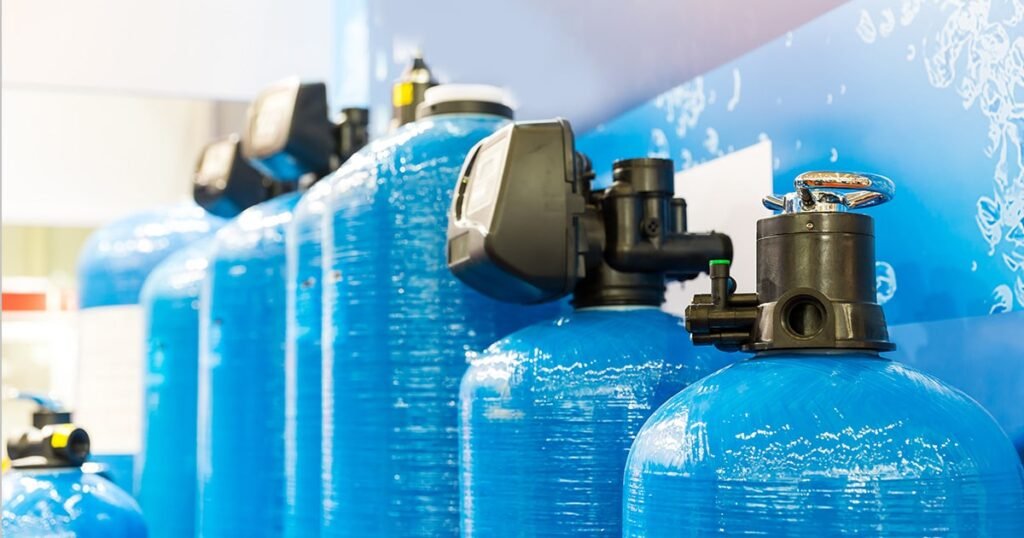
A water softener is designed to reduce the concentration of hardness minerals in household water. Traditional systems commonly use ion exchange, where calcium and magnesium are exchanged for sodium or potassium ions.
The result is water that behaves differently during everyday use. Soap can lather more easily, mineral deposits can be reduced, and appliances may have less scale to deal with.
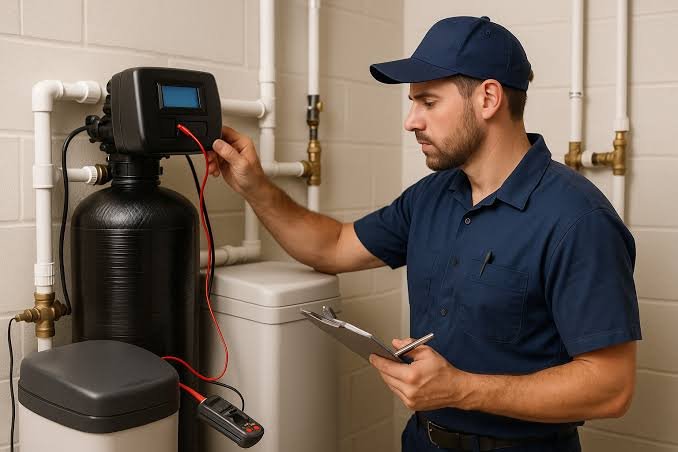
For many households, water softener systems in lancaster, pa can be considered as part of a broader approach to managing household water quality. The right system depends on factors such as water hardness, household size, daily water consumption, plumbing configuration, and whether the home uses municipal or well water.
It’s worth remembering that a softener isn’t automatically the answer to every water-quality concern. Hardness is only one characteristic of water, so testing first can prevent homeowners from spending money on equipment they don’t actually need.
Start With Water Testing
Before choosing equipment, get a clear picture of what is actually in the water. A professional water test can identify hardness levels and may also provide information about other characteristics or contaminants that could affect treatment decisions.
This matters because two homes a few streets apart can have different water-quality concerns, particularly when private wells are involved. Even when the water looks perfectly clear, dissolved minerals and other substances can still be present.
Testing also helps establish a baseline. Once you know the hardness level, you can choose treatment equipment based on measurable conditions rather than guesswork. It’s a small step that can save a surprising amount of money and frustration later.
Choosing the Right System for Your Home
Not every water softener is built for the same household. A compact system may be perfectly adequate for a smaller property, while a larger family with multiple bathrooms may need greater capacity.
Regeneration method matters, too. Some systems regenerate based on a timer, while others monitor water consumption and regenerate when needed. The latter approach can help avoid unnecessary regeneration cycles, depending on household usage and system design.
Maintenance is another consideration. Salt-based softeners require periodic replenishment of salt or another regeneration material. Homeowners should understand these ongoing requirements before purchasing a system.
That’s where customized water softener solutions can make practical sense. Instead of selecting equipment simply because it has a popular brand name or impressive-looking specifications, homeowners can consider the actual demands of their property. Water usage, hardness, available installation space, plumbing layout, and maintenance preferences all deserve attention.
What About Salt-Free Options?
Salt-free water conditioners are sometimes presented as alternatives to traditional softeners. However, they generally work differently and should not automatically be considered equivalent.
Many salt-free systems are designed to alter how minerals behave rather than remove hardness minerals from the water. Depending on your goals, that distinction can be important.
If your main concern is preventing scale, a conditioning approach might be worth discussing. If you specifically want to reduce calcium and magnesium from the water, a conventional softening system may be more appropriate.
The best choice comes down to what you’re trying to accomplish, not simply which technology sounds newest.
Protecting Appliances and Plumbing
Water treatment isn’t only about making showers feel better. Reducing scale can also help protect equipment that uses water every day.
Dishwashers, washing machines, water heaters, coffee makers, humidifiers, and other appliances can all be affected by mineral deposits. Less buildup may mean easier maintenance and potentially longer service life for certain components.
That doesn’t mean a softener eliminates every plumbing or appliance problem. Regular maintenance still matters. But reducing one persistent source of buildup can make the whole household easier to manage.
Better Water, Fewer Daily Frustrations
There’s something satisfying about fixing a problem you’ve quietly been putting up with for years. Maybe it’s finally getting the showerhead free of mineral crust. Maybe it’s seeing clean glasses come out of the dishwasher without another round of hand polishing.
Water treatment won’t transform every part of a home overnight, and it shouldn’t be sold as a magic solution. But when hard water is affecting daily routines, the right treatment strategy can make a noticeable difference.
For homeowners in Lancaster, the smartest starting point is simple: test the water, understand the hardness level, consider how much water the household actually uses, and then explore equipment that matches those needs. Good water treatment isn’t about buying the biggest system or following a trend. It’s about finding a practical solution that works quietly in the background, day after day.
And honestly, that’s probably what most homeowners want from their water system anyway — something dependable that simply does its job.