You know that moment when you clean the shower, step back, and somehow it still looks dirty? The glass has cloudy marks. The faucet has a white ring around its base. You wipe everything down again, sigh, and wonder why keeping a bathroom clean has become such a chore.
Sometimes, the problem isn’t your cleaning routine at all. It may be the water.
Minerals in hard water can affect the way soap works, how surfaces look after drying, and even how your skin feels after a shower. These effects are usually gradual, which makes them easy to blame on old fixtures, cheap soap, or simply needing to clean more often.
Understanding the connection between water and everyday household problems can change how you approach them. Instead of constantly fighting the symptoms, you can start looking at the cause.
When Soap Doesn’t Rinse Quite Right
Soap is supposed to make cleaning easier. Yet in mineral-rich water, it can sometimes seem like soap is working against you.
Calcium and magnesium in hard water can react with soap and form an insoluble residue. That residue may cling to tubs, shower walls, sinks, and other surfaces. Over time, soap scum can become a stubborn layer that’s frustrating to remove.
You may notice it most around areas that stay wet. The surface feels slightly greasy or dull, even after you’ve cleaned it.
Using a suitable cleaner helps, but if hard water is the underlying cause, cleaning alone doesn’t address the source. Reducing hardness can make the residue less persistent in the first place.
Why Glass Doors Become So Difficult
Glass shower doors are another place where water quality becomes painfully obvious.
Every time water droplets dry on the glass, the minerals they contain can remain behind. A few drops aren’t a big deal. Hundreds of showers later, however, those tiny deposits can become a noticeable haze.
This is why water spots seem to return almost immediately after you’ve cleaned the glass. You’re not necessarily doing a poor job. You’re dealing with repeated exposure to mineral-rich water.
Wiping down the glass after each shower can help, although let’s be realistic — not everyone wants another household task added to their morning routine.
Reducing the mineral content of the water can make ongoing maintenance easier.
Skin Can Notice the Difference Too
Your skin comes into contact with water every day, often several times. So it makes sense that water characteristics can influence how comfortable your skin feels afterward.
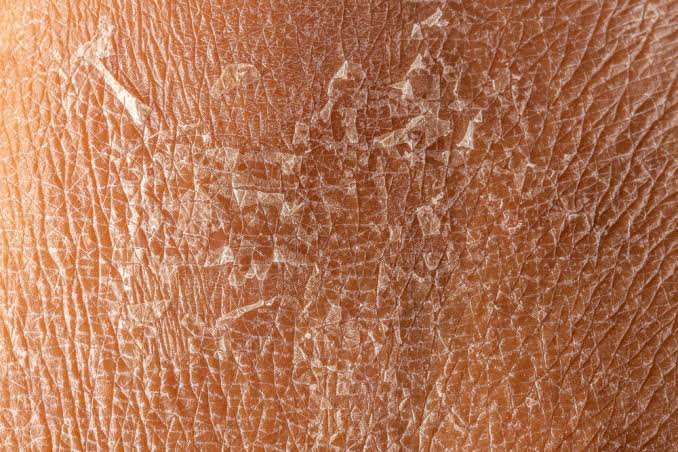
Some people find that mineral-rich water leaves their skin feeling tight or less comfortable after bathing. Soap residue and frequent hot showers can add to that sensation.
For people already prone to dry skin, paying attention to shower habits may be worthwhile. Shorter showers, lukewarm water, gentle cleansers, and moisturizing soon after bathing can all help support the skin barrier.
Water treatment may also be part of the broader conversation, especially if hardness is significant. But it shouldn’t be treated as a medical cure. Persistent or severe skin problems deserve advice from a qualified healthcare professional.
Your Laundry May Be Telling You Something
Water quality doesn’t stop at the bathroom door.
Hard water can affect laundry too. Soap and detergent may not perform as efficiently, and fabrics can sometimes feel less soft after repeated washing. Whites may lose some of their brightness, while towels can develop a rougher texture.
The solution isn’t always adding more detergent. In fact, simply increasing detergent use can sometimes create more residue.
If hardness is confirmed as a household issue, treating the water may improve how cleaning products perform. It’s a small change that can make laundry feel less like a battle.
Appliances Feel the Effects
Minerals don’t just settle on surfaces. They can accumulate inside appliances that heat or use water regularly.
Coffee makers, dishwashers, washing machines, and water heaters all encounter the household water supply. Over time, mineral deposits may develop inside components.
Coffee equipment makes the problem particularly obvious because you may notice changes in taste or brewing performance. A kettle can also develop a visible mineral layer along its bottom.
Regular descaling is still important, but reducing water hardness can help limit the amount of mineral material entering these appliances.
A Cleaner Bathroom Isn’t Always About Better Products
It’s easy to respond to stubborn deposits by buying stronger cleaners. Sometimes that’s exactly what you need. But if the same residue keeps returning, it’s worth stepping back.
Ask yourself why it’s returning.
If the water contains elevated levels of hardness minerals, every shower is essentially reintroducing the material you’re trying to remove. You clean today, water dries tomorrow, and the cycle starts again.
That doesn’t mean every household needs a treatment system. Mild hardness may be manageable with normal cleaning and maintenance. More significant hardness, however, may justify exploring treatment options.
Start With Testing, Not Assumptions
Before making a purchase, find out what’s actually in the water.
A water test can help determine whether hardness is present and how significant it is. It can also reveal other characteristics that may be contributing to taste, odor, staining, or other concerns.
This is especially important for private wells because water chemistry can vary from one property to another.
Testing prevents you from treating a problem you don’t actually have. It also makes it easier to compare treatment options based on evidence rather than advertising.
Not Every Water Issue Requires the Same Treatment
Water treatment is not a one-size-fits-all business.
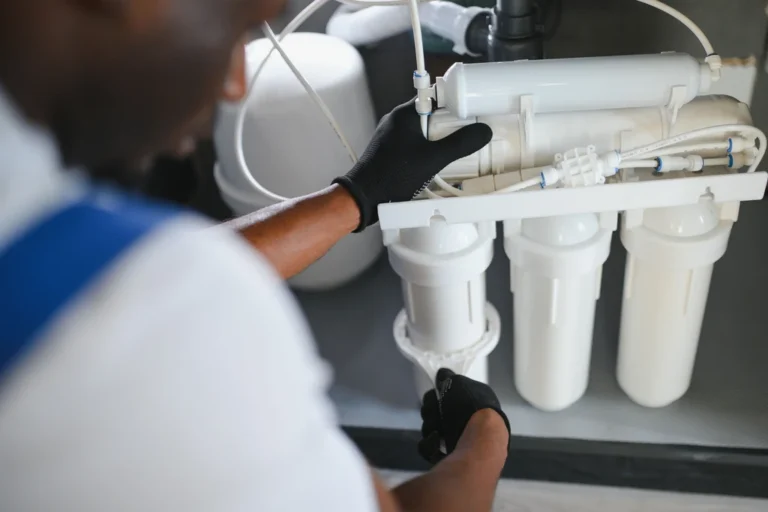
If hardness is the main issue, a properly selected softening system may help. If sediment is the concern, filtration could be more appropriate. Other issues may require carbon filtration, membrane treatment, disinfection, or specialized equipment.
The best solution depends on the source water and what you’re trying to accomplish.
For drinking water, you might have different goals than you do for shower water. Likewise, a household with a private well may have different needs from one connected to a municipal supply.
Small Habits Still Matter
Even with treatment, simple habits can reduce buildup and make cleaning easier.
Wipe faucets dry when practical. Don’t allow standing water to sit on glass for long periods. Follow appliance cleaning recommendations. Replace filters and service treatment equipment according to the manufacturer’s schedule.
None of these steps are revolutionary, and that’s kind of the point. Water quality management usually works best as a collection of sensible habits rather than one dramatic fix.
Look at the Whole Household
When people think about water treatment, they often focus only on drinking water. That’s understandable. But household water touches almost everything.
It goes through your shower, washing machine, dishwasher, water heater, faucets, and appliances. It interacts with soap, detergents, fabrics, glass, metal, and skin.
If mineral content is high, the effects can appear in many different places.
That doesn’t necessarily mean you need whole-home treatment, but it does mean the decision should consider how water is used throughout the property.
A Little Less Scrubbing Can Be a Big Improvement
Nobody gets excited about cleaning mineral deposits. It’s one of those jobs that feels especially annoying because the same marks keep coming back.
Understanding the role water plays can make the situation easier to manage.
If hard water is behind recurring residue, spots, appliance deposits, or uncomfortable bathing experiences, addressing the underlying water chemistry may be more effective than endlessly treating the symptoms.
Start with a test. Understand the results. Then choose a solution that fits the actual problem.
Better water won’t eliminate every household chore — unfortunately, someone still has to clean the kitchen — but it can make some of those chores noticeably easier. And sometimes, that’s exactly the improvement a busy home needs.