There’s something reassuring about looking up at a roof and knowing it’s doing exactly what it should. Rain stays outside, the attic stays dry, and the house feels protected from whatever the weather decides to throw at it. Most homeowners don’t think much about that protection until a problem shows up.
Maybe there’s a dark mark on the ceiling. Maybe a few shingles have disappeared after a windy night. Or perhaps the roof simply looks older than it used to. None of these signs should be ignored, but not every problem means you need an entirely new roof either.
The smarter approach is to understand what’s happening, inspect the condition carefully, and then choose the solution that actually fits the property.
Small Problems Can Become Expensive Problems
Roofing issues rarely improve by themselves. A loose shingle may seem insignificant, but it can allow moisture beneath the surrounding materials. A cracked flashing seal can let water enter gradually. You might not notice anything indoors until the damage has already spread.
That’s why timely roof repair matters. Fixing a localized issue while it is still small can protect the underlying decking, insulation, and interior finishes. It can also save homeowners from the frustration of dealing with a much larger repair later.
Of course, a repair needs to address the cause rather than simply cover the symptom. If water keeps returning to the same area, something else may be going on.
Don’t Judge a Roof From the Ground Alone
A roof can look perfectly acceptable from the driveway and still have problems that aren’t visible from below. Shingles may be damaged on a less noticeable slope, flashing can deteriorate around roof penetrations, and moisture may be collecting beneath the surface.
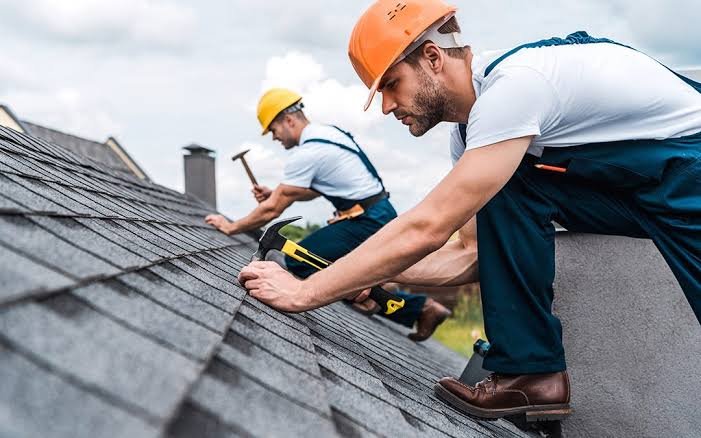
A thorough inspection helps put those details into perspective. A qualified roofing professional can evaluate shingles, flashing, ventilation, decking, drainage, and other components that work together as one system.
This is particularly useful when you’re considering a major project. Before spending money on replacement or extensive work, you want to know what you’re actually dealing with.
And honestly, that’s often where homeowners get the most value — not from a dramatic sales pitch, but from having someone explain the condition of the roof in plain English.
Weather Can Change the Equation
Severe weather is one of the quickest ways to expose weaknesses in a roofing system. High winds may lift shingles, hail can create impact damage, and falling branches can puncture roofing materials.
Sometimes the evidence is obvious. Other times, it isn’t.
After a significant storm, check the property from a safe location. Look for missing shingles, debris, damaged gutters, loose exterior materials, and signs of water intrusion. If you suspect damage, have the roof professionally assessed rather than assuming everything is fine because there isn’t a leak inside.
Storm-related problems are especially worth addressing quickly because even a small opening can allow repeated rain exposure.
Age Matters, But It Isn’t Everything
Homeowners often ask how long a roof should last. It’s a fair question, but there isn’t one answer that applies to every property.
Roofing material, installation quality, climate, ventilation, maintenance, and weather exposure all affect service life. Two roofs installed around the same time can age very differently.
An older roof with widespread cracking, curling, granule loss, and recurring leaks deserves more attention than one with a single isolated problem.
Age should be considered alongside condition. Replacing a perfectly serviceable roof solely because it’s reached a particular birthday may not make financial sense. On the other hand, repeatedly repairing an aging roof can become expensive without solving the underlying issue.
When a New Roof Becomes the Better Option
There comes a point when repair after repair simply isn’t practical. If deterioration is widespread or the roofing system has reached the end of its useful life, replacement may provide better long-term value.
Modern roof replacements can also provide an opportunity to address problems that may have contributed to earlier failures. Improved ventilation, new flashing, better underlayment, updated drainage, and properly installed materials can all contribute to a stronger roofing system.
The important thing is to look beyond the visible surface. Putting new shingles over damaged decking or ignoring ventilation problems doesn’t magically eliminate those issues.
Ask what preparation is required before installation begins. A reputable contractor should be willing to explain what will happen beneath the finished roofing material.
A Roof Should Work With the Rest of the Exterior
Roofing doesn’t exist in isolation. Gutters, fascia, siding, windows, chimneys, vents, and other exterior components interact with it.
For example, poorly positioned downspouts can send water toward the foundation. Damaged flashing around a chimney can create leaks that appear to be roofing problems. Blocked gutters can cause water to back up beneath roofing edges.
That’s why exterior maintenance should be approached as a connected system.
If you’re already having roofing work completed, it can make sense to inspect nearby components at the same time. You don’t necessarily need to replace them, but knowing their condition helps prevent one neglected component from undermining the work you’ve just paid for.
Good Ventilation Is Easy to Overlook
Attic ventilation isn’t the most exciting topic in home improvement, but it matters. Excessive heat and moisture can affect roofing materials and contribute to uncomfortable conditions inside the home.
A properly designed ventilation system allows air to move through the attic while working with the home’s insulation and building envelope.
If you’re experiencing unusually hot attic conditions, moisture buildup, or signs of condensation, ask a professional to evaluate the ventilation rather than assuming the roofing material is the problem.
Sometimes the solution is less dramatic than homeowners expect.
Design Still Has a Place in Roofing
Protection comes first, but there’s no reason a roof can’t look good too. Today’s roofing materials come in a wide range of colors, textures, profiles, and finishes.
The best beautiful designs usually aren’t the loudest ones. They complement the architecture of the house instead of competing with it.
Think about the exterior color scheme, siding, windows, landscaping, and neighborhood character. A roof that looks fantastic on one home might feel completely out of place on another.
It’s also worth thinking beyond current trends. A classic choice that still looks good ten years from now can be more satisfying than something chosen simply because it happens to be fashionable today.
Be Careful When Choosing a Contractor
Roofing is one area where experience and workmanship matter enormously. Even high-quality materials won’t perform properly if they’re installed incorrectly.
When comparing contractors, ask for a written estimate and clarification about materials, labor, warranties, project timing, and cleanup. Check whether the contractor carries appropriate insurance and licensing where required.
Don’t be afraid to get more than one opinion, especially when one contractor recommends extensive work and another suggests a simpler solution.
A trustworthy professional should explain the reasoning behind the recommendation. You shouldn’t feel rushed into signing a contract before you understand what you’re buying.
Keep an Eye on the Roof Between Inspections
Professional inspections are valuable, but homeowners can still play an important role in catching early warning signs.
After major weather events, take a look from the ground. Check your attic occasionally for moisture or unusual stains. Keep gutters clear and watch for changes in the roofline.
If something looks different, investigate it.
That doesn’t mean becoming obsessed with every shingle. It simply means paying attention. Homes tend to reward that kind of care.
A Strong Roof Is Mostly About Prevention
The best roofing problem is the one you catch early. A small issue handled promptly is usually easier to manage than water damage discovered months later.
Whether your roof needs a minor repair, a professional inspection, or eventually a complete replacement, the goal should remain the same: keep the home protected while making sensible decisions about cost, durability, and appearance.
You don’t need the newest materials or the most expensive design to have a dependable roof. You need a system that suits the house, quality workmanship, and a willingness to deal with problems before they have a chance to grow.
That may not sound glamorous. But when the next heavy rain rolls through and everyone inside stays warm, dry, and comfortable, you’ll appreciate exactly why it matters.