There’s something reassuring about having your own well. You’re not depending entirely on a municipal supply, and there’s a certain satisfaction in knowing where your household water comes from. But private wells also ask for a little more attention. Water quality can change, equipment can age, and problems that aren’t obvious at first may eventually show up in the kitchen sink or shower.
Maybe the water has developed a metallic taste. Perhaps your white laundry is coming out with faint orange marks. You may even notice cloudy water after a heavy rainstorm. These things don’t necessarily mean something is seriously wrong, but they’re worth investigating.
The smartest approach is usually pretty simple: understand the water first, then choose treatment based on what you actually find.
Start With the Source
Well water comes from groundwater, and groundwater naturally interacts with the soil and rock around it. That means one property can have noticeably different water characteristics from another property only a short distance away.
Some wells contain more calcium and magnesium, which can cause hardness and mineral scale. Others may have elevated iron or manganese. Sediment can enter the water under certain conditions, while changes in the well or surrounding environment can affect water quality over time.
This is why well water filtration shouldn’t be treated as a one-size-fits-all purchase. A filter designed primarily for sediment won’t necessarily solve an iron problem, and a carbon filter isn’t intended to address every possible contaminant.
The source matters. So does the actual chemistry of the water.
The Clues Are Often Right in Front of You
Your household can provide some surprisingly useful clues.
White deposits around faucets and showerheads may indicate hard water. Orange or reddish staining can point toward iron. A rotten-egg smell may be associated with hydrogen sulfide. Cloudiness can sometimes come from suspended particles or air bubbles.
Then there are the less visible signs. A water heater may accumulate scale. Plumbing fixtures may become harder to clean. Water pressure might gradually decline because a filter is becoming clogged.
None of these symptoms provides a complete diagnosis on its own. Still, they can help identify what deserves a closer look.
Try paying attention to when the issue occurs. Is it present at every faucet? Does it happen only with hot water? Does the water clear after running for a few seconds? Did the problem begin after a storm, plumbing repair, or well service?
Those details can be surprisingly valuable.
Testing Should Come Before Major Equipment
It’s easy to look at a catalog of water-treatment equipment and start comparing specifications. But buying first and testing later can turn into an expensive guessing game.
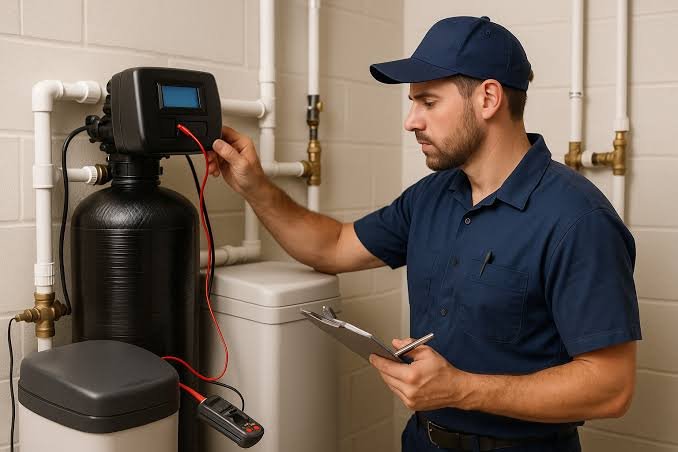
Custom water testing provides information that generic assumptions simply can’t. Depending on the property and concerns involved, testing may examine hardness, pH, iron, manganese, bacteria, dissolved solids, nitrate, or other water-quality indicators.
The exact testing panel should be appropriate for the water source and local circumstances. A private well may require different testing considerations than a municipal connection.
Testing also establishes a baseline. If you eventually install treatment equipment, you can compare future results against the original findings. That’s useful for understanding whether the system is doing what it was intended to do.
And sometimes testing brings good news. You may discover that the issue is mainly cosmetic or related to plumbing rather than a significant water-quality concern.
Hard Water Calls for a Different Solution
Hard water is one of the most common reasons homeowners consider treatment.
Calcium and magnesium can form scale when water is heated or evaporates. Over time, this can leave deposits on fixtures and appliances. Soap may not rinse as cleanly, and shower doors can become a never-ending cleaning project.
Water softeners are commonly used to reduce hardness. They work differently from ordinary filtration systems and should be selected according to household water usage and water chemistry.
This is where treatment design becomes important. A system that’s too small may regenerate frequently or struggle to meet demand. One that’s unnecessarily large may cost more than needed.
The right size isn’t about having the biggest tank in the equipment room. It’s about matching capacity to the household.
When Add-On Treatment Makes Sense
Sometimes the primary treatment system handles most of the water-quality problem, but another issue remains.
That’s where water softening add-ons can be worth considering. Depending on the water analysis, additional components may be used to address concerns that a basic softener isn’t designed to handle.
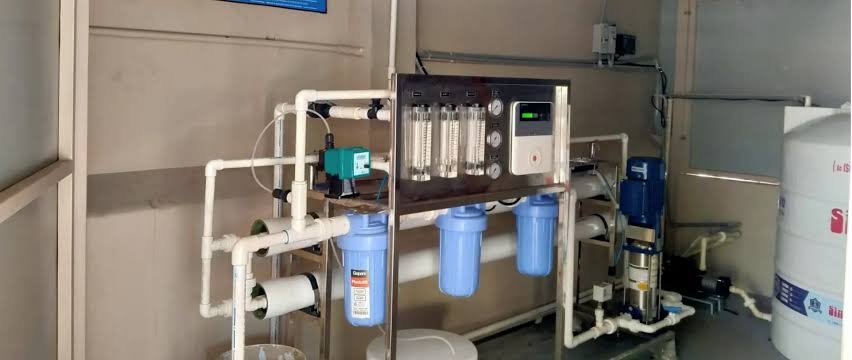
For example, a home might need sediment pre-filtration before the main treatment equipment. Another property may require additional filtration for iron or unpleasant odors. A drinking-water system might be added at the kitchen sink when the household wants extra treatment for water used for drinking and cooking.
The key is to avoid adding equipment simply because it sounds useful. Every additional component has an installation cost, maintenance requirement, and operating consideration.
If the water doesn’t need it, you probably don’t need it either.
Protect the Equipment You Already Have
Water treatment isn’t only about making water nicer to drink or easier to clean with. It can also help protect household equipment when treatment is appropriately matched to the problem.
Scale can affect water heaters and other appliances that regularly heat water. Sediment can collect in valves and fixtures. Certain mineral-related problems can contribute to staining and deposits.
A properly designed treatment setup can reduce these issues, potentially making household equipment easier to maintain.
Still, treatment isn’t a substitute for inspecting old plumbing or appliances. If a water heater is already failing or a pipe is badly corroded, filtration won’t magically repair it.
Sometimes the solution involves both water treatment and plumbing work.
Don’t Forget Water Pressure
A treatment system needs to provide clean, treated water without creating unnecessary restrictions.
Filters gradually collect material. If they’re allowed to become heavily clogged, flow can suffer. Undersized equipment can also create problems when several fixtures operate simultaneously.
Think about real household use rather than ideal conditions. Someone might be showering while a washing machine is filling and a dishwasher is running. Your system needs enough capacity to handle those moments, not just the quiet five minutes when nobody is using water.
Proper sizing and regular filter replacement can help keep performance consistent.
Maintenance Is Where Good Systems Stay Good
Even excellent equipment needs routine care.
Filters have replacement intervals. Some treatment media need servicing or eventual replacement. Water softeners may require salt management and periodic inspection. Well systems themselves should also receive appropriate attention and testing.
The easiest mistake is forgetting about the equipment once installation is finished.
Put service dates on the calendar. Keep notes about filter changes. Pay attention when water taste, smell, color, or pressure changes. Small problems are usually easier to deal with than neglected ones.
And if the water changes suddenly, don’t automatically assume the treatment system has failed. The well, pump, pressure tank, plumbing, or another component may be responsible.
Better Water Begins With Better Decisions
Improving well water doesn’t have to become a complicated project filled with unnecessary equipment.
Start with the source. Look for clues. Test the water. Identify the actual problem, then choose treatment that addresses it. From there, focus on proper sizing, installation, and maintenance.
That’s a much more sensible path than buying a system because it has the most stages or the longest list of features.
Good water treatment should quietly make life easier. Faucets stay cleaner. Appliances deal with less troublesome buildup. Water tastes better. Showers feel normal again. And perhaps most importantly, you know why the system is there and what it’s doing.
When you understand your water, you can treat it intelligently. And for a private well, that knowledge is worth far more than any flashy feature on a product brochure.