Water plays a quiet but essential role in everyday life. At home, it is used for drinking, cooking, bathing, cleaning, and laundry. In a business, water may be needed for food preparation, equipment operation, customer service, sanitation, or manufacturing processes. When its quality becomes inconsistent, the effects can be surprisingly noticeable.
Unpleasant tastes, strange odors, mineral deposits, cloudy water, and recurring plumbing problems are all reasons to take a closer look at your water supply. Sometimes the issue is relatively simple, such as hard water. In other cases, the concern may involve sediment, chemicals, bacteria, or other contaminants that require a more specific treatment method.
The best solution rarely begins with buying the most expensive equipment. It starts with understanding the water, identifying the problem, and choosing a system designed for the job.
Why Water Quality Should Be Evaluated First
Water can look clear and still contain substances that affect its taste, performance, or safety. This is why relying only on appearance or smell is not enough. A professional water test can provide useful information about hardness, pH, iron, manganese, sediment, chlorine, bacteria, and other possible concerns.
The type of testing required depends on the water source and the problems being reported. Municipal water and private well water can have very different treatment needs. Well owners, in particular, should consider periodic testing because groundwater conditions may change over time.
Testing also prevents unnecessary spending. A homeowner might purchase a softener when the real concern is sediment, or install a basic carbon filter when a more specialized treatment system is needed. Understanding the water first makes the entire process more practical.
A reputable provider should explain the test results in plain language and recommend equipment based on evidence rather than assumptions.
Understanding Whole-House Filtration
For households dealing with water concerns throughout the property, whole-house filtration can be a convenient option. These systems are generally installed at the main water entry point, allowing treated water to flow through multiple fixtures and appliances.
Depending on the filter media and system design, whole-house filtration may help reduce sediment, chlorine, unpleasant odors, and certain chemical contaminants. Some systems are also designed for specific concerns, such as iron or sulfur, although not every filter is capable of handling every substance.
The main advantage is coverage. Instead of treating water only at one kitchen faucet, a whole-house system can address water used in showers, bathrooms, laundry rooms, and other areas.
However, homeowners should ask exactly what the system is designed to remove. “Whole-house” describes where the system is installed, not a guarantee that it removes every contaminant. The filtration media, flow rate, maintenance schedule, and water test results all matter.
When Reverse Osmosis May Be Useful
For drinking and cooking water, reverse osmosis is often considered when a household wants more focused treatment. These systems use a semipermeable membrane to reduce certain dissolved substances from water. They are commonly installed under a kitchen sink and connected to a dedicated drinking-water faucet.
Reverse osmosis can be useful for improving taste and reducing selected contaminants, depending on the membrane and pre-filtration stages. Many systems also include carbon filters that help address chlorine and odor before water reaches the membrane.
There are a few practical considerations, though. Reverse osmosis systems may produce some wastewater during operation, require filter and membrane replacement, and need adequate water pressure to function properly. They also typically treat water at one point of use rather than throughout the entire house.
For this reason, reverse osmosis is not always a replacement for whole-house treatment. In some homes, the two approaches work well together: a central system addresses general water concerns, while reverse osmosis provides additional treatment for drinking water.
Commercial Water Treatment Requires a Different Approach
Businesses often have more demanding water requirements than residential properties. Restaurants, hotels, offices, healthcare facilities, laundries, and manufacturing sites may use large volumes of water or rely on consistent water quality for daily operations.
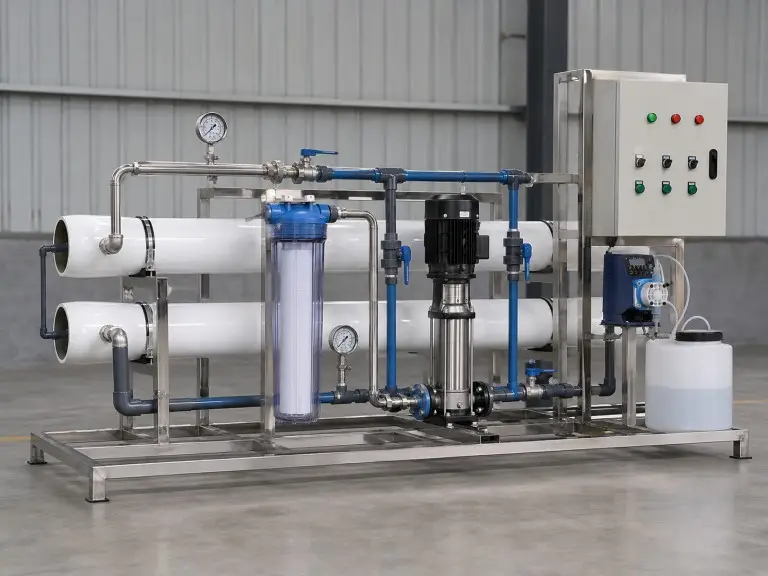
This is where commercial water treatment systems become important. Commercial equipment is typically designed around higher flow rates, larger capacity, operational schedules, and specific industry requirements. A restaurant, for example, may need water treatment to protect ice machines, coffee equipment, dishwashers, and food preparation areas. A hotel may be concerned about guest comfort, laundry performance, and scale inside plumbing systems.
Commercial systems may include filtration, softening, reverse osmosis, ultraviolet treatment, chemical dosing, or specialized contaminant removal. The right combination depends on the business’s water source, usage patterns, equipment, regulations, and quality goals.
A commercial installation should begin with a detailed assessment. Providers need to understand peak demand, operating hours, available space, drainage, pressure requirements, and maintenance expectations. Choosing equipment without considering these details can lead to poor performance or unnecessary operating costs.
The Role of Water Softeners
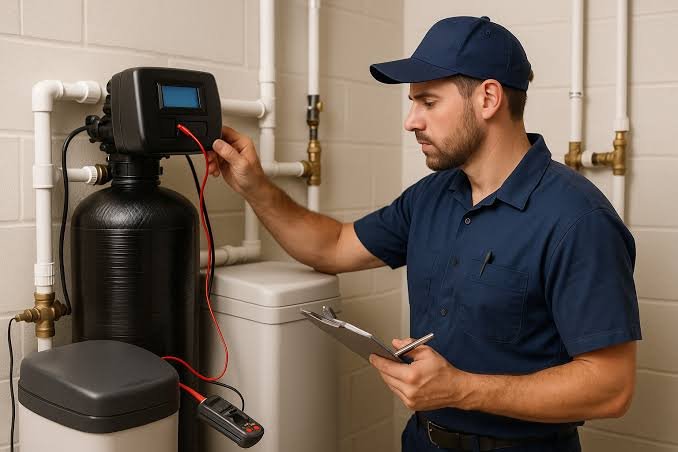
Hard water is a common concern in both homes and businesses. It contains minerals such as calcium and magnesium, which can create scale on fixtures and inside equipment. Over time, this buildup may affect water heaters, dishwashers, washing machines, boilers, and commercial appliances.
Water softeners are designed primarily to reduce hardness through an ion-exchange process. They can help improve soap performance, reduce mineral deposits, and support the efficiency of certain water-using appliances.
Still, a softener is not a complete filtration system. It does not automatically remove bacteria, sediment, chlorine, or every chemical contaminant. If multiple water problems exist, a softener may need to be paired with other equipment.
Before selecting one, ask about salt use, regeneration frequency, water consumption, maintenance, and long-term operating costs. A properly sized system should match the water hardness and the amount of water being used.
Maintenance Is Part of the Solution
Even a well-designed water treatment system needs regular care. Filters eventually become saturated, membranes require replacement, and softeners may need salt or periodic inspection. Commercial systems may also require more frequent servicing because of higher water usage.
Neglecting maintenance can reduce water quality and place additional strain on equipment. A clogged filter may lower water pressure, while an overdue membrane replacement can affect reverse osmosis performance.
Ask the provider for a written maintenance schedule. Find out which tasks you can complete yourself and which require professional service. It is also helpful to confirm whether replacement parts are readily available and whether the company offers service agreements or reminders.
Maintenance costs should be considered before installation, not after the first service visit.
Selecting a Provider You Can Trust
A reliable water treatment provider should focus on your actual needs. Look for a company that offers testing, explains its recommendations, provides clear pricing, and avoids making unrealistic promises.
Ask whether the equipment is appropriately sized, what certifications or manufacturer approvals apply, and how the system will be supported after installation. A written estimate should clarify labor, equipment, plumbing modifications, setup, warranties, and future service.
Be cautious of providers who claim that one product can solve every water issue. Water quality is too varied for a universal answer. The strongest recommendation is usually the one that connects the treatment method directly to the test results and your intended use.
A Smarter Way to Improve Water Quality
Choosing a water treatment system is an investment in comfort, equipment protection, and operational reliability. But the process becomes much easier when it follows a logical path: test the water, identify the concern, compare suitable technologies, and plan for maintenance.
For homes, whole-house filtration, softening, and reverse osmosis may each serve different purposes. For businesses, commercial systems must also account for capacity, compliance, and daily operating demands.
The goal is not simply to install equipment. It is to create a water treatment setup that works consistently, fits the property, and remains manageable over time. With accurate information and professional guidance, cleaner and more dependable water becomes a realistic, long-term improvement rather than a trial-and-error purchase.