Few plumbing problems are as frustrating as one that happens somewhere you can’t see. A dripping faucet is annoying, but at least you know where the water is coming from. An underground water line is a different matter. The pipe may be buried beneath a lawn, driveway, sidewalk, or garden, quietly carrying water—or quietly losing it.
The first clue might be surprisingly ordinary. Maybe the water pressure has dropped. Perhaps the grass near one side of the yard stays wet even though it hasn’t rained. In some cases, the water bill starts creeping upward without any obvious change in household use.
These signs don’t always mean a major failure, but they shouldn’t be ignored either. Underground leaks tend to get more expensive when they’re left alone.
Recognizing an Underground Leak
A water line leak can happen for several reasons. Pipes age. Soil shifts. Tree roots move through the ground. Freezing temperatures can damage vulnerable sections, while poor installation or excessive pressure may shorten a pipe’s useful life.
The tricky part is that the symptoms aren’t always dramatic.
You may hear water running when every fixture in the house is turned off. There could be unexplained moisture around the property, a sudden drop in pressure, or an area of unusually healthy vegetation. Sometimes there is no visible sign at all, and the water bill is what raises the first red flag.
When something feels unusual, checking it early is generally less disruptive than waiting until the line fails completely.
Diagnosis Should Come Before Digging
Years ago, underground plumbing problems often meant one thing: grab a shovel and start digging.
Fortunately, that’s no longer the only option.
Professionals can use pressure testing, electronic locating equipment, and other diagnostic methods to narrow down where a leak or damaged section is located. This can make the repair process more precise and reduce unnecessary disturbance to the property.
The goal isn’t simply to locate the pipe. It’s to understand its condition.
A small isolated defect in an otherwise healthy line might call for a localized repair. A severely deteriorated pipe could make replacement more sensible. Without a proper assessment, it’s difficult to know which direction to take.
The Appeal of Trenchless Methods
One of the biggest concerns homeowners have about underground repairs is the mess. Nobody particularly wants a beautiful lawn, mature landscaping, or freshly paved driveway torn apart.
That’s one reason trenchless repairs have become an attractive option for certain projects. Rather than exposing the entire length of a buried line, some trenchless techniques allow work to be completed through smaller access points.
Depending on the situation, this can reduce excavation, shorten restoration work, and limit disruption to the property.
But trenchless doesn’t mean suitable for every pipe or every site. The existing pipe condition, soil characteristics, depth, location, access points, and type of damage all matter. A contractor should evaluate the actual conditions before recommending a trenchless solution simply because it sounds less invasive.
When Traditional Excavation Still Makes Sense
Sometimes the old-fashioned method is still the right one.
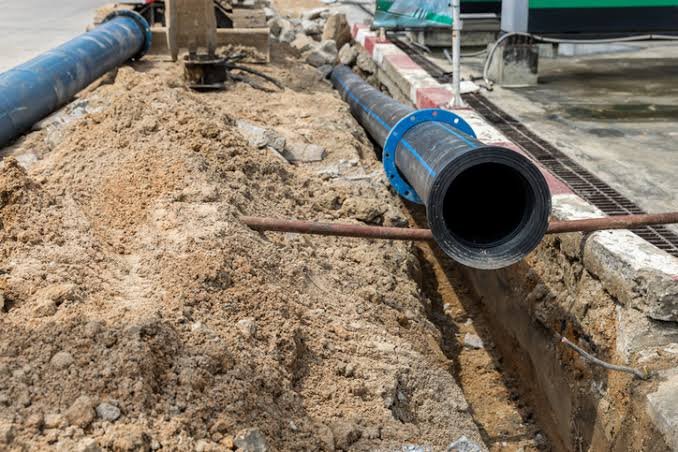
Traditional trench repairs involve excavating the ground to expose the damaged section of pipe. This gives workers direct access and can be especially useful when a line is severely damaged, collapsed, incorrectly positioned, or difficult to address through a trenchless method.
Excavation can also make sense when other underground work is already planned. If a property owner is replacing a driveway or doing major landscaping, coordinating the plumbing work may reduce the inconvenience of opening the ground separately later.
There is no universal winner between trenchless and traditional methods. The better choice depends on the property and the specific problem.
Cost Isn’t the Only Thing to Consider
When homeowners compare repair options, price naturally gets attention. But the cheapest estimate isn’t necessarily the best value.
A less expensive repair that fails again within a short period may cost more over time than a properly planned replacement. Likewise, a more expensive method may not be worthwhile if a simple localized repair can provide years of reliable service.
Ask what is causing the problem, how extensive the damage is, what materials will be installed, and how long the proposed solution is expected to last.
It can also help to ask about restoration. If excavation is necessary, will the contractor replace soil, restore landscaping, or repair affected pavement? Those costs can change the real price of a project.
Older Pipes May Tell a Different Story
The age and material of a water line are important pieces of the puzzle. Older pipes may be more vulnerable to corrosion, cracking, mineral buildup, or general deterioration.
If one section has failed and the surrounding pipe looks worn, repairing only the damaged spot may provide a temporary solution rather than solving the larger issue.
On the other hand, an older pipe isn’t automatically bad. Some systems remain functional for decades. That’s why inspection matters more than assumptions based solely on age.
A thoughtful contractor should be able to explain what they observe rather than simply telling you that the pipe is old and therefore must be replaced.
Protecting Landscaping and Property
Before underground work begins, take a moment to think about everything above the pipe.
Driveways, patios, fences, flower beds, irrigation systems, trees, and walkways can all complicate access. Marking important features and discussing the work area in advance can prevent accidental damage.
For larger properties, knowing where other underground utilities are located is especially important. Water lines don’t exist in isolation. Electrical, gas, communication, irrigation, and drainage systems may all share the same general area.
Good planning reduces surprises.
What Homeowners Should Ask
A few simple questions can make a contractor conversation much more useful.
Ask where the problem appears to be located. Ask how the diagnosis was made. Ask whether repair or replacement is recommended and why. If trenchless work is suggested, ask whether the existing pipe is suitable for that method.
You can also ask about permits, expected project duration, restoration, warranties, and possible complications.
You don’t need to become a plumbing expert. You just need enough information to understand what you’re paying for and why.
Don’t Wait for a Complete Failure
A small underground leak can become a large problem if ignored. Escaping water may damage landscaping, weaken soil, waste water, or eventually affect nearby structures.
That doesn’t mean every suspicious symptom requires an emergency response. It does mean recurring signs deserve attention.
A professional inspection can provide clarity before the problem reaches the point where the entire line stops working.
The Best Repair Is the One That Fits the Property
Underground water-line work isn’t one-size-fits-all. One property may benefit from a trenchless solution, while another may require excavation. A small defect may be repairable, while widespread deterioration could justify replacement.
What matters is making the decision based on evidence rather than assumptions.
Good repair work should restore reliable water service while taking the surrounding property into account. It should solve today’s problem without creating tomorrow’s.
In the end, the best outcome is fairly simple: the leak is gone, the water pressure is dependable, the property is restored, and nobody has to think about the pipe beneath the ground for a very long time.
That’s what good infrastructure is supposed to do—quietly keep life moving.