Water is one of those household essentials that tends to disappear into the background. We turn on the tap without thinking, wash our clothes, make coffee, fill a pot for dinner and take a shower. It all feels ordinary.
Until the water starts leaving clues behind.
Maybe there’s a white film around the faucet. Glassware comes out of the dishwasher looking cloudy. Your showerhead needs cleaning more often than it used to, or your water heater makes an occasional rumbling sound. None of these things seems like a major emergency, but together they can point toward the mineral content of your water.
Understanding what is actually happening can help you decide whether treatment is worthwhile. It can also prevent you from spending money on equipment that doesn’t solve the problem.
The Minerals Behind Hard Water
Hard water is generally associated with two naturally occurring minerals: calcium and magnesium. Groundwater can pick these minerals up as it moves through soil and rock, eventually carrying them into wells or other water supplies.
In moderate amounts, they aren’t necessarily something to worry about from a health perspective. The frustration tends to come from what they leave behind.
When hard water evaporates from a shower door or faucet, the water disappears but the minerals don’t. That’s why deposits can gradually become visible on fixtures and surfaces.
The amount of hardness varies from place to place, sometimes quite dramatically.
Why Calcium and Magnesium Matter Around the House
If you’ve ever wondered why a clean faucet develops a white ring again so quickly, c are likely part of the explanation.
These minerals can form deposits when water evaporates or is heated. Over time, those deposits may appear on faucets, showerheads, glass doors and appliance components.
The effect can be particularly noticeable in areas where water is frequently heated. Water heaters, coffee machines and dishwashers may accumulate mineral deposits because of repeated exposure.
It isn’t always dramatic. That’s actually the tricky part. Small deposits accumulate quietly, and homeowners may only notice once cleaning becomes noticeably harder.
Less Scrubbing Can Be a Real Benefit
There’s something satisfying about a freshly cleaned bathroom. What’s less satisfying is seeing the same cloudy residue return almost immediately.
Hard water can turn cleaning into a repetitive cycle. You wipe away the mineral deposits, rinse the surface and, a short while later, you’re back where you started.
Addressing the water itself may help reduce that cycle. When hardness is properly managed, there can be fewer minerals available to form deposits on surfaces.
For busy households, reduced cleaning time can be one of the more practical benefits of improving water quality. Nobody installs a treatment system because they dream of scrubbing shower doors every weekend. The appeal is having fewer chores that need constant attention.
Your Appliances May Appreciate It Too
Water quality doesn’t only affect things you can see.
Dishwashers, washing machines, coffee makers and water heaters all have components that regularly come into contact with water. Mineral deposits can accumulate on heating elements, valves and internal surfaces.
A coffee maker might become slower. A water heater may develop sediment or scale around internal components. A dishwasher can become less effective at producing the spotless finish you expect from a clean cycle.
Regular appliance maintenance still matters, of course. Water treatment isn’t a substitute for manufacturer-recommended care. But reducing excessive hardness or addressing other water-quality concerns can be another useful part of protecting water-using equipment.
Don’t Assume Every Water Problem Is Hard Water
This is where things can get confusing.
A strange taste isn’t automatically caused by hardness. An unpleasant odor doesn’t necessarily mean you need a softener. Cloudy water could be related to air, sediment or another characteristic entirely.
That’s why testing is such an important step.
A water analysis can provide information about hardness, pH, sediment and other characteristics that may influence treatment decisions. Without that information, it’s easy to choose equipment based on symptoms rather than causes.
And that’s how homeowners end up with expensive systems that don’t quite address what they were trying to fix.
Water Treatment Should Match Your Goals
Think about what you actually want to improve.
If mineral deposits are the main concern, hardness treatment may be appropriate. If you’re dealing with sediment, filtration may make more sense. If taste or odor is the issue, a filtration technology designed for those characteristics could be more suitable.
Some homes may benefit from several treatment stages, while others need only one.
There’s no prize for having the most equipment in the utility room.
The better approach is to identify the concern first, then choose technology that addresses it. This tends to be more cost-effective and much easier to maintain.
Efficiency Is About More Than Saving Water
When people hear the word efficiency, they often think about utility bills. Water treatment can involve efficiency in a broader sense.
A properly sized system can operate according to household demand rather than constantly working harder than necessary. Correct settings can also help equipment perform as intended.
Thoughtful system selection supports optimized water efficiency by considering water usage, treatment capacity, flow requirements and household routines.
For example, a family that uses large amounts of water every day may need a different configuration from a couple living in a smaller home. Matching the system to real demand avoids unnecessary capacity and helps maintain reliable performance.
Maintenance Is Still Part of the Deal
Even a well-designed treatment system needs attention.
Filters need to be replaced. Some systems require salt or other consumables. Components may need cleaning, inspection or occasional adjustment.
Before buying anything, ask about the maintenance schedule. Find out what parts need regular replacement and how much those items typically cost.
This isn’t meant to discourage you. Quite the opposite. Knowing the maintenance requirements beforehand helps you choose a system you’ll actually keep in good working order.
A neglected treatment system can lose effectiveness, and nobody wants to spend money on equipment only to ignore it six months later.
Test Before You Invest
There are plenty of water-treatment products available, and online recommendations can make it seem as though every household needs something different.
Take a breath.
Start with your water.
Testing gives you useful information and can help separate genuine treatment needs from assumptions. If you’re on a private well, periodic testing is especially sensible because water characteristics can change.
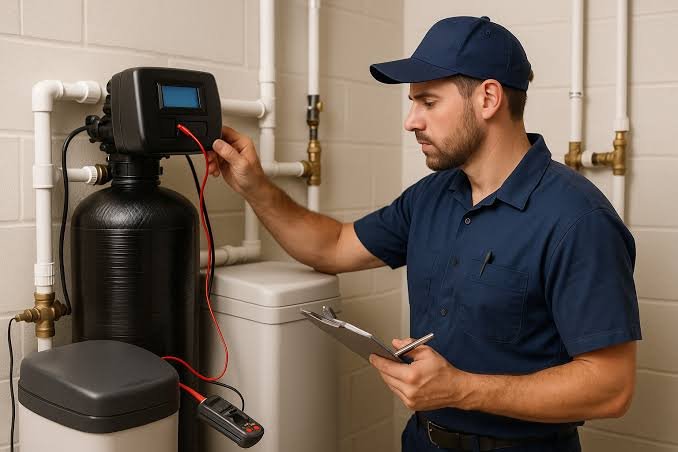
Once you know what’s present, you can have a much more productive conversation with a qualified water-treatment professional.
Better Water Is Often About the Little Things
The value of water treatment isn’t always dramatic enough for a before-and-after photograph.
Sometimes it’s simply a faucet that doesn’t develop a chalky ring as quickly. A shower door that takes less effort to keep clean. An appliance that gets the maintenance attention it needs. A glass of water that tastes the way you expect it to.
Those little improvements add up.
The smartest water-treatment decision isn’t necessarily the most sophisticated one. It’s the one based on actual water conditions, realistic household needs and a willingness to maintain the equipment properly.
Water is going to be part of your home every single day. You may as well make sure it’s working with your household rather than quietly creating more work.
In the end, that’s what good treatment should provide: fewer frustrations, better-maintained equipment and water that simply feels easier to live with.