Good water is one of those things you rarely think about until something seems off. Maybe the shower glass starts collecting stubborn white marks. The water tastes a little strange. Soap doesn’t rinse quite the way it used to, or the kitchen sink develops spots that seem to appear overnight. None of these problems necessarily mean your water is unsafe, but they can be signs that your home’s water quality could use a closer look.
A well-designed treatment system can make everyday water more pleasant while also helping protect plumbing and appliances. The trick is choosing equipment based on what is actually in the water, rather than buying the first system that promises to solve everything.
Start With the Water, Not the Equipment
It’s tempting to begin by comparing brands and system sizes. But water treatment works better when you reverse that process. First, understand the problem. Then choose the technology.
A water test can reveal hardness, iron, sediment, dissolved minerals, chlorine, and other characteristics that affect how water behaves in your home. Your source matters too. Municipal water and private well water can have very different treatment needs.
For example, hard water is primarily a nuisance and maintenance concern, while certain contaminants may require more targeted treatment. Knowing the difference prevents you from spending money on equipment that doesn’t address the real issue.
Why Hard Water Gets So Much Attention
Hard water contains elevated levels of minerals such as calcium and magnesium. Over time, those minerals can leave scale inside plumbing fixtures, water heaters, showerheads, and appliances. They can also make cleaning feel like more work than it should be.
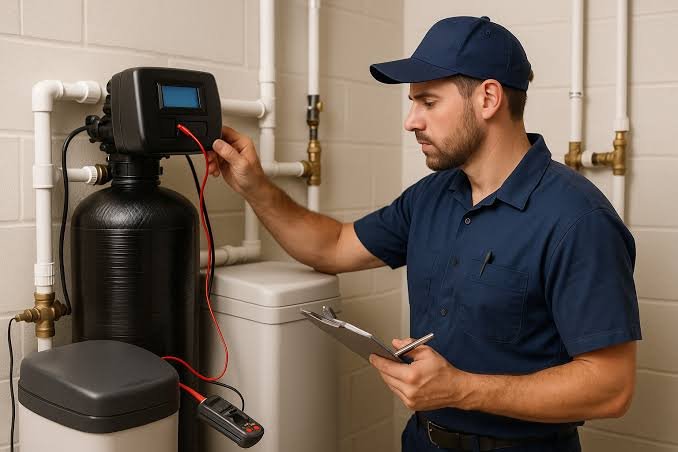
That’s where water softeners can make a noticeable difference. A properly selected softener reduces hardness and can help prevent mineral buildup throughout the plumbing system. Many homeowners notice practical changes fairly quickly: soap lathers more easily, dishes may come out with fewer spots, and shower surfaces are less frustrating to clean.
Still, a softener isn’t a universal filter. It is designed primarily for hardness, so it’s important not to expect it to remove every unwanted substance from the water.
When Carbon Filtration Makes Sense
Another common concern is taste and odor, particularly when treated municipal water has a noticeable chlorine character. Even when the water meets regulatory standards, the smell can be unpleasant enough that people reach for bottled water instead.
Carbon filtration can help improve the sensory quality of water by reducing chlorine and certain organic compounds. A whole-home carbon filtration system treats water as it enters the house, rather than filtering only one faucet. That means water used for drinking, cooking, bathing, and other household purposes can benefit from the same treatment approach.
There’s something satisfying about turning on a tap anywhere in the house and getting water that simply tastes and smells normal.
Sediment Is Easy to Overlook
Sediment can enter a water supply from several sources. Older plumbing, private wells, construction activity, or disturbances in a municipal line can contribute to particles in the water. You might notice cloudy water, visible particles, or premature clogging of smaller filters.
A sediment filter is often used as an early stage of treatment because it captures physical particles before they reach more sensitive equipment. This can be especially useful when a home has multiple treatment stages.
The key is matching the filter to the actual conditions. A very fine filter isn’t automatically better if it becomes clogged quickly and reduces water pressure. Sometimes a simpler approach performs better.
Think About the Entire House
Water treatment isn’t only about the glass of water sitting on your kitchen counter. Water travels through your entire plumbing network, touches fixtures, fills appliances, and passes through water heaters.
That broader perspective is important when choosing equipment. A point-of-use filter may be perfectly appropriate if your only concern is drinking water. But if you’re dealing with hardness, chlorine, sediment, or odors throughout the property, whole-home treatment may make more sense.
Flow rate should also be considered. A system needs to handle the demands of the household without creating an unnecessary pressure drop. A treatment setup that works beautifully for one person might be undersized for a family with several bathrooms.
Maintenance Is Part of the Solution
Even the best treatment system needs attention. Filters have a service life. Softener components need checking. Tanks, valves, connections, and other parts can eventually require inspection or adjustment.
For systems that use salt, homeowners also need to keep an eye on the supply. Reliable salt delivery can be particularly convenient for households that don’t want to haul heavy bags home or discover an empty brine tank at the worst possible time.
Regular maintenance isn’t glamorous, admittedly. But ignoring a system until something stops working is usually more expensive and inconvenient than keeping up with routine service.
Don’t Ignore Changes in Your Water
One of the easiest mistakes is assuming that water quality stays exactly the same forever. It doesn’t always.
A sudden change in taste, smell, color, pressure, or appearance deserves attention, especially if the change is persistent. Sometimes the cause is simple, such as an exhausted filter. Other times, the water source or plumbing may need further investigation.
If your treatment system is several years old, it’s also worth checking whether it still matches your current needs. Household water use can change after renovations, new appliances, additional family members, or changes to the water source.
Good Treatment Is About Balance
There’s no single water treatment setup that is perfect for every home. A system should reflect the water chemistry, household size, flow requirements, plumbing configuration, and the problems you actually want to solve.
That’s why testing and professional guidance can be more valuable than simply choosing the system with the longest feature list. More equipment doesn’t necessarily mean better water. In some cases, it just means more components to maintain.
The best setup is usually the one that quietly does its job without making everyday life complicated.
A Smarter Way to Approach Water Quality
Improving household water doesn’t have to become a major project. Start by identifying what bothers you. Is it scale? Taste? Odor? Sediment? Something shown in a water test? From there, look at treatment options designed for that specific concern.
A thoughtful system can protect plumbing, improve the feel and taste of water, and make routine chores a little easier. And perhaps the biggest benefit is one you don’t notice immediately: confidence. You know what you’re treating, why you’re treating it, and how the equipment is supposed to work.
That’s really the goal. Not turning your utility room into a maze of tanks and filters, but creating a water treatment setup that fits your home and works reliably in the background. Good water treatment should make life simpler—not give you another complicated thing to worry about.