Most people don’t think much about their heating and air conditioning system until it stops doing its job. That’s understandable. When the house is comfortable, the equipment is almost invisible. It turns on, runs for a while, shuts off, and life continues.
Then one unusually hot afternoon, the air coming from the vents isn’t cold anymore.
Or it’s January, the thermostat says 70 degrees, and somehow the living room feels like a porch.
HVAC equipment is one of those home investments that’s easy to take for granted. Yet it affects comfort, energy consumption, indoor air quality and even how well a property functions from season to season. Taking care of it doesn’t have to be complicated, but it does require a little consistency.
The good news is that homeowners can make a meaningful difference by understanding three basic stages: installing the right equipment, repairing problems properly and keeping the system maintained between major service visits.
Start With the Right Installation
A long HVAC life begins before the equipment is switched on for the first time.
Professional heating and air conditioning installation involves much more than putting a new unit in place. The system needs to be appropriately sized for the property, connected correctly and configured according to manufacturer requirements.
Sizing is particularly important.
An oversized system isn’t necessarily better. It may cycle too frequently and fail to provide the consistent comfort homeowners expect. An undersized system, meanwhile, may run for long periods trying to keep up with demand.
A professional assessment can take insulation, windows, square footage, occupancy and other factors into account.
It’s tempting to compare equipment by price alone. But installation quality deserves equal attention. A well-designed system can perform poorly if it’s installed carelessly.
Pay Attention to How Your System Behaves
Your HVAC system has a normal rhythm.
You get used to the sounds it makes, how quickly rooms cool down and how often it cycles. That’s why changes can be useful clues.
Perhaps the system suddenly runs much longer than it used to. Maybe one room stays uncomfortable while the rest of the house feels fine. You could notice weak airflow, unusual odors or a new rattling sound.
None of these signs automatically means there’s a major failure.
But they do mean something has changed.
Ignoring those changes for months can sometimes allow a small issue to develop into a more expensive problem. A professional inspection can help determine whether there’s actually something wrong.
Repairs Should Address the Cause
When equipment breaks, the obvious goal is to get it working again.
But a proper repair should go a step further.
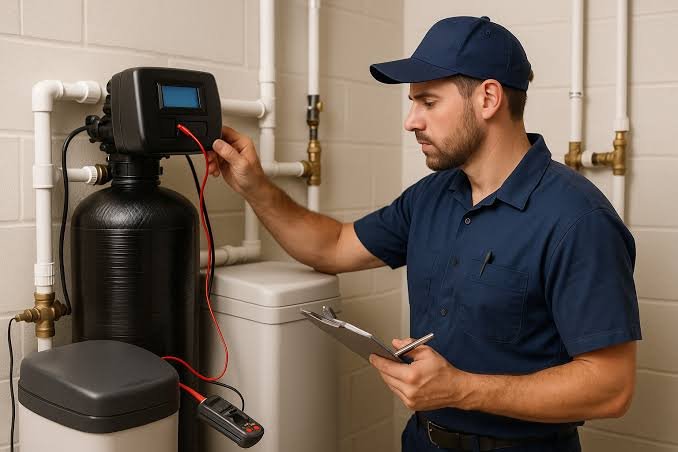
Heating and air conditioning repair should begin with diagnosis rather than guesswork. A technician needs to determine why the equipment isn’t performing correctly before deciding what parts or adjustments are needed.
For example, an air conditioner that isn’t cooling properly could have several possible causes. Restricted airflow, electrical problems, dirty components, thermostat issues or refrigerant-related concerns can create similar symptoms.
Replacing a random part may temporarily change the behavior without solving the underlying problem.
A careful diagnosis takes a little more time, but it can save money in the long run.
Filters Are Small, But Important
One of the simplest maintenance tasks is also one of the easiest to forget.
A dirty filter can restrict airflow and force an HVAC system to work harder. Exactly how often a filter needs attention depends on the equipment, filter type, household conditions and manufacturer recommendations.
Homes with pets, renovations or higher dust levels may need more frequent attention.
Don’t automatically follow a one-size-fits-all schedule printed on an internet checklist. Check your equipment’s recommendations and monitor the actual condition of the filter.
If it looks dirty, deal with it.
That’s not glamorous advice, but it works.
Maintenance Isn’t Only About Preventing Breakdowns
People often think of maintenance as something you do to avoid an emergency.
That’s certainly part of it.
But maintenance can also help preserve efficiency and give you a better understanding of the system’s condition.
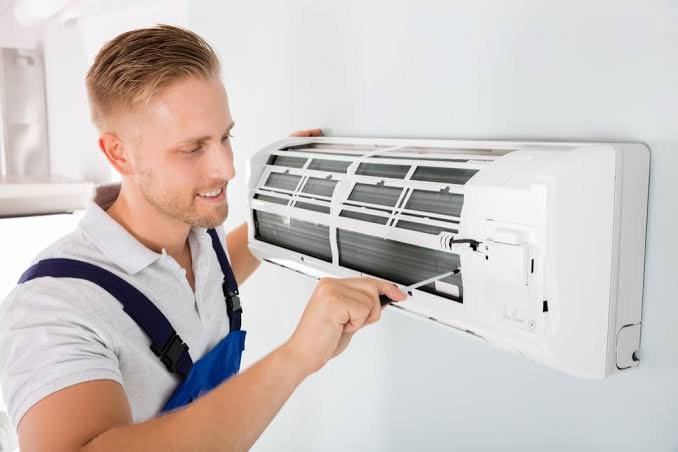
Professional routine maintenance may include inspecting electrical connections, checking airflow, examining moving components, cleaning appropriate parts and evaluating overall system operation.
The exact work depends on the equipment.
A central air conditioner, heat pump and furnace don’t all require identical service. That’s another reason professional maintenance should be based on the actual system rather than a generic checklist.
Keep the Outdoor Unit Clear
Outdoor HVAC equipment needs adequate airflow.
Leaves, grass clippings, dirt and other debris can accumulate around the unit. Landscaping can also grow too close over time.
Keeping the immediate area reasonably clear can support airflow and make it easier for technicians to access the equipment.
Don’t start dismantling panels or attempting electrical work, though. Outdoor HVAC units contain components that should be handled by qualified professionals.
Simple housekeeping is one thing. Mechanical repair is another.
Don’t Ignore Uneven Temperatures
If one bedroom is always warmer than the others, your first instinct might be to turn down the thermostat.
That may not solve anything.
Uneven temperatures can be caused by ductwork problems, insulation differences, airflow restrictions, sun exposure, room layout or equipment sizing.
In some cases, a professional can make relatively simple adjustments. In others, the issue may require more detailed ductwork or airflow evaluation.
The important point is to identify the cause instead of constantly changing the thermostat and hoping for the best.
Energy Bills Can Offer Clues
Your utility bill isn’t a perfect diagnostic tool, but it can provide useful information.
If energy consumption suddenly rises without a major change in weather or household habits, take a closer look at what’s happening.
An HVAC system that’s running longer than normal may be struggling with an efficiency issue. Aging equipment, restricted airflow, dirty components or mechanical problems can all affect operating costs.
One unusual bill doesn’t prove anything.
A pattern, however, deserves attention.
Know When Repair Is Better Than Replacement
Eventually, every HVAC system reaches a point where replacement becomes more sensible than repair.
But that point isn’t always obvious.
Consider equipment age, repair frequency, energy efficiency, parts availability and expected remaining lifespan.
A relatively new system with one failed component may be an excellent repair candidate. An older system requiring repeated expensive repairs may be harder to justify.
Ask your technician to explain the options.
A trustworthy professional shouldn’t pressure you into replacing equipment simply because it’s old. At the same time, they shouldn’t keep recommending repairs indefinitely when replacement clearly offers better long-term value.
Don’t Wait for Extreme Weather
The busiest time for HVAC contractors is often when everyone needs HVAC work.
That’s also when breakdowns become most stressful.
Scheduling maintenance before the start of a demanding season can help identify problems while there’s still time to address them. It may also give you a chance to plan financially if the equipment is approaching the end of its useful life.
Waiting until the first extreme-weather day to discover a failing system isn’t ideal.
A little preparation can save a lot of frustration.
Good Maintenance Is a Long-Term Habit
Taking care of HVAC equipment isn’t about doing one huge thing perfectly.
It’s about several small decisions made consistently.
Replace filters when needed. Keep outdoor equipment clear. Pay attention to changes in sound or performance. Schedule appropriate professional inspections. Address problems before they become emergencies.
And when something does fail, choose a qualified technician who will diagnose the problem properly rather than simply swapping parts.
Your HVAC system won’t last forever. No mechanical equipment does.
But good installation, sensible repairs and regular care can help it perform reliably for longer while making your home more comfortable along the way.
That’s really the goal — not a perfect system, just one you can count on when the weather outside decides to make things difficult.