Hard water rarely feels like an urgent household problem. There’s no dramatic warning light, no sudden alarm. Instead, it tends to make itself known through small annoyances that slowly become part of everyday life. A little residue around the faucet. Spots on freshly washed glasses. A showerhead that doesn’t look quite as clean as it should.
Then there are the less obvious effects. Your skin may feel different after a shower. Appliances may need more attention. Cleaning can take longer than it used to.
None of these signs automatically mean your water is the culprit. But when several show up together, it’s worth taking a closer look at what is actually flowing through your plumbing.
What Makes Water Hard?
Hard water contains dissolved minerals, mainly calcium and magnesium. These minerals occur naturally and can enter water as it moves through soil and rock.
The amount varies from one location to another. That’s why one home may have very noticeable mineral deposits while another nearby property barely experiences them.
Hardness isn’t generally something you can determine simply by looking at a glass of water. Clear water can still contain substantial amounts of dissolved minerals.
Testing is the simplest way to get a better idea of what’s happening.
Your Skin and Hair May Notice the Difference
One of the more personal complaints associated with hard water involves bathing.
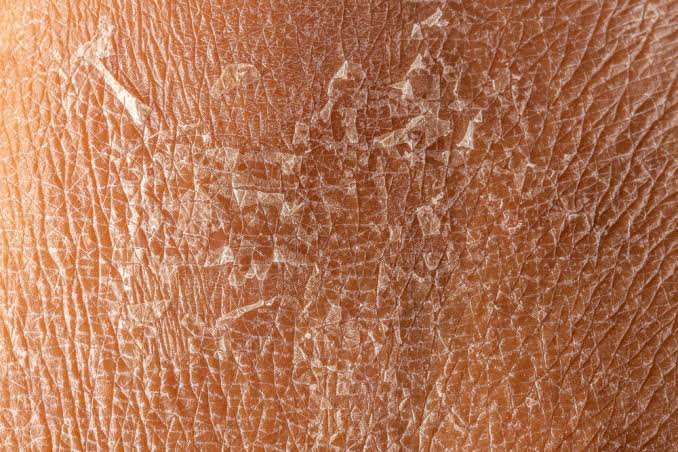
Minerals can interact with soaps and shampoos, sometimes making them harder to rinse away completely. Some people feel that their skin is tight or less comfortable after showering, while others notice their hair feels dull or difficult to manage.
For certain households, dry skin and hair can become an annoying part of the daily routine, particularly when water hardness is combined with other factors such as weather, hot showers, or skincare habits.
Of course, dry skin and hair can have many causes. Water hardness isn’t a universal explanation, but if the problem consistently appears alongside other signs of mineral buildup, testing the water may be worthwhile.
Appliances Can Take a Quiet Beating
Your appliances use a lot more water than you probably realize.
Dishwashers, washing machines, water heaters, coffee makers, and other equipment all interact with your home’s water supply. When mineral content is high, deposits may accumulate inside components over time.
This can contribute to reduced performance in plumbing and appliances, although the exact effect depends on the appliance, water chemistry, design, and maintenance.
Water heaters deserve particular attention because minerals can settle or accumulate on heating components. A buildup inside the system can affect heat transfer and may increase the amount of maintenance required.
That doesn’t mean hard water will suddenly destroy your appliances. It’s more of a gradual wear-and-tear issue, which is exactly why it can be easy to overlook.
Those White Marks Have a Reason
You’ve probably seen them.
The cloudy ring around a faucet. The white crust on a showerhead. The spots left behind after water evaporates from a glass shower door.
These are often associated with mineral deposits.
When water containing calcium and magnesium evaporates, the minerals remain on the surface. Over time, repeated exposure can make the deposits increasingly difficult to remove.
That’s why hard water stains can feel like they’re coming back almost as quickly as you clean them.
Regular descaling can keep surfaces looking better, but if the underlying water remains hard, the deposits will continue to return. In that case, treating the water itself may be a more practical long-term approach.
Laundry Can Be Another Clue
Hard water can also affect laundry routines.
Minerals may interfere with the way detergents work, which can leave some fabrics feeling less soft or looking less bright. Some households compensate by using more detergent, but more isn’t always better.
Too much detergent can leave residue behind, creating another problem altogether.
If clothes don’t seem as clean or comfortable as they used to, consider the whole picture: detergent type, washing temperature, machine condition, fabric, and water quality.
Sometimes the explanation is sitting right there in the water supply.
Soap and Cleaning Products Behave Differently
There’s a reason hard water can make cleaning feel like more work.
Calcium and magnesium can react with soap, reducing lather and contributing to residue. You may find yourself using more product just to get the result you’re used to.
Bathrooms can become particularly frustrating because soap residue and mineral deposits may combine on tubs, shower walls, and doors.
This doesn’t mean every household with hard water needs a complicated treatment system. But if cleaning seems unusually difficult and mineral deposits keep returning, testing can tell you whether hardness is playing a role.
Water Softeners Can Address the Root Cause
When testing confirms significant hardness, a properly sized water softener can help reduce calcium and magnesium before they circulate through the home.
Traditional softeners commonly use ion exchange to remove hardness minerals from the water. Some systems also include metered controls designed to regenerate based on water usage.
Choosing the right equipment matters. Household size, water consumption, hardness level, installation space, and maintenance requirements should all be considered.
It’s also important to understand what a softener does—and doesn’t do. A softener is designed primarily for hardness. It isn’t automatically a solution for every contaminant, odor, or water-quality concern.
Testing Comes Before Guessing
It’s tempting to buy whatever system seems popular online, especially when dozens of products promise cleaner, softer, or better water.
But water treatment is highly dependent on the actual water chemistry.
A basic water test can help establish hardness levels and identify other characteristics that may deserve attention. If you use a private well, more comprehensive testing may be appropriate depending on your location and circumstances.
Once you know what’s present, you can choose equipment for a reason rather than because someone said it worked for them.
Maintenance Still Matters
Even a well-designed treatment system needs regular attention.
Softener systems may require salt or other supplies. Filters need replacement. Valves and controls may eventually need service. Existing mineral deposits may still require cleaning after treatment begins.
Keeping a simple maintenance schedule helps prevent small tasks from turning into bigger problems.
And don’t forget the appliances themselves. Follow manufacturer recommendations for cleaning and servicing, especially for water heaters and equipment that comes into regular contact with mineral-heavy water.
A More Comfortable Home Starts With Understanding the Water
Hard water is rarely a dramatic problem. It’s more often a collection of little inconveniences that add up over time.
Maybe you’re tired of cleaning the same faucet. Maybe your shower never quite feels right. Maybe your water heater or dishwasher seems to need more attention than expected.
Those clues don’t prove that hardness is the cause, but they can be a good reason to investigate.
Start with testing. Understand your home’s water chemistry. Then choose treatment based on what the results actually show.
The goal isn’t to chase perfectly “pure” water just for the sake of it. It’s to have water that suits your household, protects the equipment that depends on it, and makes everyday routines a little easier.
Sometimes that improvement is surprisingly simple. Once the right problem is addressed, you may finally stop thinking about the water—and that’s a pretty good sign that the solution is working.