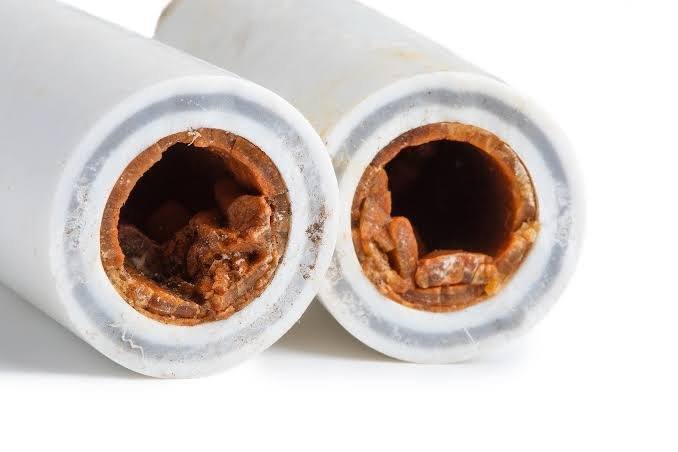
Water is something most of us take for granted. We turn on the tap, fill a glass, wash our hands, and move on with the day. But when water leaves orange marks in the sink, carries an unpleasant smell, or looks cloudy, it becomes hard to ignore. These changes can be more than a minor nuisance. They may point to naturally occurring minerals, plumbing issues, or problems with the water entering your home.
The good news is that unusual water appearance or odor doesn’t always mean the water is dangerous. Still, it deserves attention. Understanding what causes these signs can help homeowners choose the right treatment instead of spending money on equipment that doesn’t solve the actual problem.
Why Water Problems Look Different from Home to Home
Water quality varies significantly depending on where you live and how your water reaches your property. Municipal water systems, private wells, and older plumbing can all influence what comes out of a faucet. Groundwater, for example, may pick up minerals as it moves through soil and rock. Pipes can also contribute particles or affect the water’s appearance.
That is why two homes in the same neighborhood may experience completely different water concerns. One household might notice stains on laundry, while another struggles with a smell or fine particles in drinking water. Identifying the specific issue is the first step toward finding a practical solution.
What Causes Orange and Brown Water Stains?
One of the most recognizable water problems is orange, reddish-brown, or yellow staining around sinks, toilets, bathtubs, and shower surfaces. These marks are often associated with iron in the water. Even when water looks clear as it comes from the tap, exposure to air can cause dissolved iron to oxidize and leave behind visible deposits.
Homeowners dealing with iron & rust staining may notice that ordinary household cleaners don’t fully prevent the problem. The stains can return quickly, especially around fixtures that remain wet. In some cases, the issue is related to naturally occurring iron in well water. In others, old plumbing or corrosion may contribute to the discoloration.
The right treatment depends on the form and concentration of iron present. Some systems are designed to reduce dissolved iron, while others target particles or oxidized iron. A water test can help determine which type is involved before a filtration system is selected.
The Reason Water Sometimes Smells Like Rotten Eggs
A strong rotten-egg odor is another common complaint, particularly in homes supplied by private wells. This smell is often linked to hydrogen sulfide gas, which can occur naturally in groundwater. Certain bacteria may also contribute to its formation, and the odor can become more noticeable when water is heated.
The presence of sulfur (rotten egg smell) doesn’t automatically mean the water is unsafe, but it can make everyday activities unpleasant. The odor may be noticeable in showers, sinks, laundry, or even hot water appliances. In some situations, the smell is limited to hot water, which may suggest an issue involving the water heater rather than the entire water supply.
Treatment options vary depending on the source and severity of the odor. Aeration, oxidation, specialized filtration, and other approaches may be used. A professional assessment is useful because treating the wrong cause can leave the smell unchanged.
Why Water Looks Cloudy or Contains Small Particles
Cloudy water can be confusing. Sometimes it looks milky white and clears after sitting in a glass. In other cases, it contains visible particles that settle at the bottom. These two situations may have different explanations.
Air bubbles are a common reason water appears cloudy. When water is under pressure, it can hold tiny air bubbles that make it look white or hazy. If the water clears from the bottom upward after a short period, trapped air may be the likely cause.
On the other hand, sediment / cloudy water may involve sand, silt, clay, rust particles, or other suspended material. This is especially common in some well-water systems or properties with plumbing disturbances. Sediment can affect the appearance of water and may also cause problems for faucets, appliances, and other water-treatment equipment.
Sediment filters are often used to capture larger particles, but the correct filter depends on particle size and the amount entering the home. A basic filter may be enough for one property, while another may require a more comprehensive setup.
Why Testing Water Before Treatment Matters
It’s tempting to buy a filter based on a neighbor’s recommendation or an online advertisement. But water-treatment systems aren’t one-size-fits-all. A product that works well for iron may not address sulfur odor, and a sediment filter won’t necessarily remove dissolved minerals or other contaminants.
Water testing provides useful information about pH, hardness, iron, sulfur-related concerns, sediment, and other relevant factors. For private well owners, testing is particularly important because groundwater conditions can change over time. Even municipal water users may benefit from testing when they notice a sudden change in taste, color, or odor.
A test report gives homeowners a clearer picture of what they’re dealing with. It also helps water-treatment professionals recommend equipment based on actual conditions rather than assumptions.
Choosing a Practical Water Treatment Solution
Once the cause is understood, the next step is choosing a system that matches the problem. Whole-home filtration may be appropriate when the concern affects multiple fixtures. Point-of-use filters, meanwhile, can be useful for specific drinking-water needs.
For iron issues, treatment may involve oxidation and filtration, depending on the iron type. Sulfur odor may require a system designed to remove or neutralize hydrogen sulfide. Sediment concerns can often be addressed with appropriately sized pre-filtration, though severe problems may need additional investigation.
Maintenance matters, too. Filters need replacement, media may require servicing, and some systems work best when checked periodically. A treatment solution is only useful if it continues performing properly after installation.
A Cleaner Water Experience Starts with Identifying the Cause
Unusual stains, unpleasant odors, and cloudy water can make a home feel less comfortable than it should. More importantly, they are signs worth understanding rather than simply masking. While some causes are harmless and manageable, others may require plumbing inspection or professional water testing.
The most sensible approach is to identify the source, test when necessary, and choose treatment based on the results. Instead of guessing at a solution, homeowners can take a more informed route toward clearer, better-smelling water and a system that fits their actual needs.