Water is easy to take for granted. You turn on the faucet, fill a glass, wash the dishes, and get on with your day. Most of us don’t stop to wonder what is happening between the water source and that kitchen tap.
Then something changes.
The water might develop an odd taste. A showerhead may collect stubborn mineral deposits. Clothes can feel different after washing, or a water heater may start showing signs of scale. For businesses, the consequences can be more noticeable, particularly when water is part of cleaning, food preparation, manufacturing, or everyday operations.
The important thing is not to panic or immediately buy the biggest treatment system available. Water quality problems have different causes, and the right solution starts with understanding what you’re actually dealing with.
Begin With the Water Itself
Clear water isn’t necessarily problem-free water. Some characteristics are easy to see, while others are invisible.
Hardness, sediment, iron, chlorine, dissolved minerals, pH, and other factors can all influence how water behaves in a property. Your water source also matters. A private well may have very different characteristics from a municipal supply, and even properties in the same area can experience different conditions.
Testing is therefore a sensible first move. It creates a picture of the water rather than relying on assumptions based on taste or appearance.
Once the results are available, treatment choices become much easier to narrow down.
Drinking Water Has Its Own Priorities
For many households, the water that matters most is the water going into a glass or cooking pot.
That doesn’t necessarily mean the entire property’s water needs to go through an advanced purification process. Sometimes a point-of-use approach is more practical, particularly when the concern is focused on drinking and cooking.
Depending on the water characteristics, drinking water systems may include carbon filtration, reverse osmosis, or other technologies designed for specific treatment goals.
The key is to match the system to the water. More filtration isn’t automatically better, and a complicated system can create unnecessary maintenance if it isn’t solving a real problem.
Well Water Requires Ongoing Attention
Private wells offer independence, but they also put more responsibility on the property owner.
Well water can pick up naturally occurring minerals and other substances as it moves through underground formations. Conditions may also change over time. Heavy rainfall, changes around the property, equipment issues, or alterations in the well itself can sometimes affect water characteristics.
A proper well water treatment plan should therefore be based on current testing rather than an old assumption about what the water contains.
Common concerns can include hardness, iron, manganese, sulfur-related odors, sediment, and other characteristics. Different problems call for different treatment methods, which is why a one-size-fits-all approach isn’t particularly helpful.
Hard Water Can Slowly Become Expensive
Hard water isn’t always dramatic. Often, it announces itself through small annoyances.
You see spots on glassware. Soap doesn’t seem to rinse quite as well. The shower door needs constant cleaning. Then there’s scale inside water heaters and appliances, where you can’t see it building up day after day.
Over time, those deposits can affect equipment performance and increase maintenance demands.
If testing confirms that hardness is the primary concern, a water softener may be appropriate. Proper sizing matters, though. The system needs to match water hardness and household demand so it can operate effectively without excessive waste or unnecessary expense.
Sediment Is Another Piece of the Puzzle
Sand, silt, rust particles, and other suspended material can enter a water supply, particularly in certain private-water systems.
A sediment filter can often serve as an important first stage, capturing physical particles before water moves through more specialized equipment. This can help protect downstream components and improve overall system performance.
But filters aren’t magic. They collect material, and eventually that material has to be removed through cleaning or replacement.
A noticeable drop in water pressure can sometimes be a clue that a filter is becoming restricted. Waiting until water barely comes out of the tap is not exactly the ideal maintenance plan.
Businesses Have Different Water Demands
A home might use a few hundred gallons of water in a day. A commercial property can require considerably more, often with demand concentrated into particular periods.
Restaurants, hotels, offices, healthcare facilities, manufacturing sites, laundries, and other operations may have water requirements that go far beyond ordinary household use.
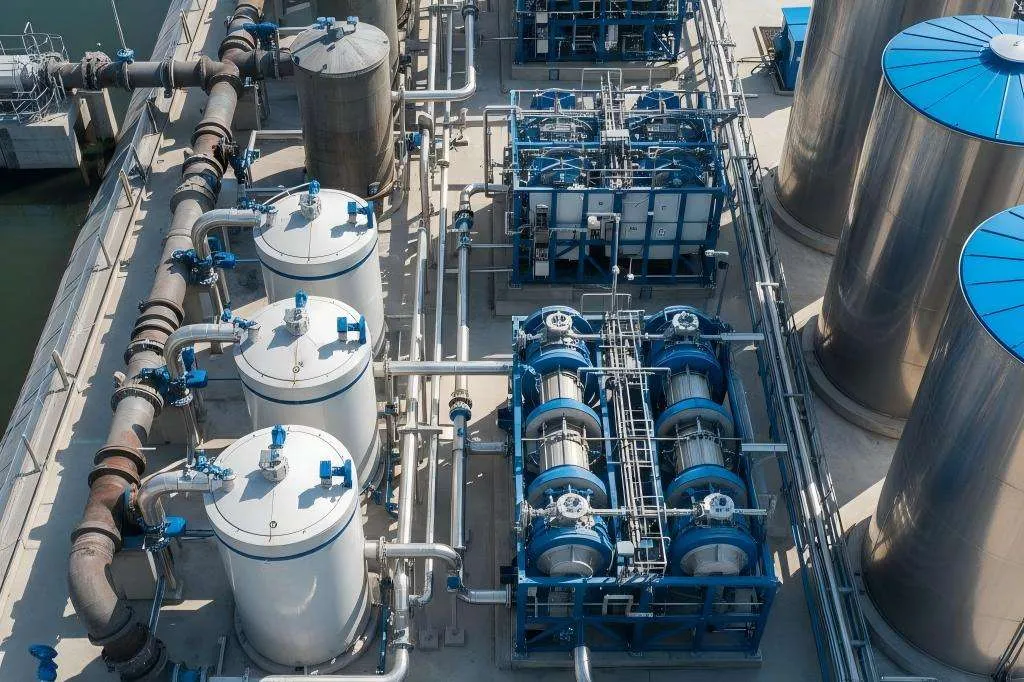
This is where commercial applications require careful planning. Flow rate, peak demand, equipment capacity, water chemistry, operating schedules, and the purpose of the treated water all need to be considered.
For example, a restaurant may care about how water affects beverages, food preparation, dishwashing, and equipment. A manufacturing facility may have completely different treatment requirements.
The treatment system needs to support the business, not become another operational problem.
Installation Deserves More Attention
People sometimes spend weeks comparing treatment equipment and only a few minutes thinking about installation.
That’s backwards.
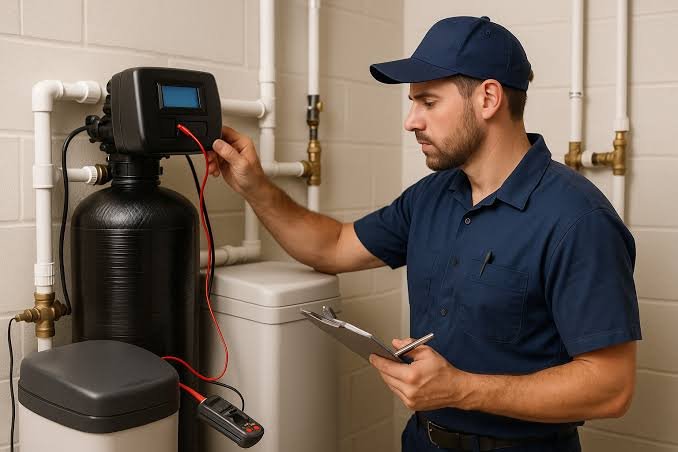
A treatment system depends on correct plumbing connections, appropriate flow direction, pressure, drainage, electrical requirements where applicable, and accurate settings. There should also be enough space to access components during routine service.
Poor installation can reduce performance even when the equipment itself is perfectly capable.
A knowledgeable installer can also explain the practical side of ownership: where shutoffs are located, how filters are changed, what warning signs to watch for, and when professional servicing is recommended.
Those details become very useful the first time something doesn’t behave normally.
Maintenance Isn’t Optional
Even the best water treatment equipment needs care.
Filters have replacement intervals. Softening systems require salt and periodic checks. Reverse osmosis equipment includes components that eventually need servicing. Valves, tanks, fittings, and controls can also wear over time.
Regular maintenance helps keep small problems from becoming larger ones.
It also gives you an opportunity to notice changes in the water. If the taste suddenly shifts or pressure begins dropping, those clues are easier to investigate when you know the system’s recent maintenance history.
Keeping a basic record of service dates and filter changes is a surprisingly useful habit.
Don’t Buy More Than You Need
Water treatment can become confusing because manufacturers and providers offer so many options.
It’s easy to assume that a system with more stages, larger tanks, or additional features must be better. But treatment equipment isn’t a competition.
A smaller, well-matched system can outperform a complicated setup that was chosen without considering the actual water conditions.
Think about what you’re trying to accomplish. Do you need to reduce hardness? Remove sediment? Improve drinking water? Address a particular odor or mineral? Protect commercial equipment?
Once the goal is clear, the equipment decision becomes much less intimidating.
Think About Long-Term Costs
The purchase price is only part of the expense.
Consider installation, replacement filters, salt, electricity, servicing, repairs, and the expected lifespan of major components. For businesses, also consider the cost of downtime or equipment damage caused by untreated water.
A system that costs slightly more initially may be the better financial choice if it’s reliable, serviceable, and suited to the property.
On the other hand, paying for features you don’t need doesn’t make much sense either.
Good Water Treatment Should Be Practical
The best water treatment plan isn’t necessarily the most advanced one. It’s the one that makes sense for the water and the way the property uses it.
Start with testing. Understand the problem. Choose treatment technology based on evidence, not sales hype. Make sure installation is done correctly, and keep up with routine maintenance afterward.
For homeowners, this can mean cleaner fixtures, better-tasting water, and less strain on appliances. For well owners, it provides a more informed way to manage a changing water source. For businesses, it can help protect equipment and support daily operations.
In the end, good treatment is rarely about making water care complicated. It’s about getting the basics right and then letting the system quietly do its job.
That’s probably the best outcome of all: turning on the tap and not having to think twice about what’s coming out.