Most people don’t spend much time thinking about their water. It comes out of the tap, the shower gets hot, the coffee gets made, and life moves on. Then one morning there’s a strange smell in the glass, a cloudy mark on the shower door, or a kettle coated with mineral scale. Suddenly, water quality becomes a very real household concern.
Choosing a treatment solution at that point can feel surprisingly complicated. There are filters, softeners, reverse osmosis units, whole-house equipment and plenty of technical terms that sound more confusing than helpful. The good news is that you don’t need to become a water-treatment expert overnight. You just need to understand a few important factors before deciding what belongs in your home.
Begin With the Water You Already Have
The first question should be where your water comes from. Your water source can tell you quite a bit about the kinds of issues you might encounter.
Municipal water is generally treated before reaching homes, but it can still contain minerals, disinfectants, sediment or other substances that affect taste, odor and overall quality. Private wells are different. Their characteristics can vary considerably depending on local geology, seasonal conditions and the condition of the well itself.
That’s why testing is more useful than guessing. Clear water isn’t necessarily problem-free, and an unpleasant taste doesn’t automatically point to one particular contaminant. A proper test gives you a baseline and helps determine whether treatment is actually needed.
It also helps avoid spending money on equipment that solves the wrong problem. That’s a mistake homeowners make more often than you might think.
Look at What Your Household Really Needs
Water demand isn’t the same in every home. A two-person household with one bathroom has a very different pattern of use from a family of six with several bathrooms, frequent laundry and people constantly coming and going.
Your household usage should influence the size and capacity of any treatment equipment you consider. Flow rate matters, particularly during busy parts of the day. If multiple showers, sinks or appliances are being used at the same time, a system needs to keep up without causing noticeable pressure or performance problems.
Think about your routine for a few days. When is water use highest? How often does the washing machine run? Do you have guests regularly? Are there periods when several fixtures operate together?
These little details may seem ordinary, but they provide useful information when sizing a system.
Identify the Actual Water Problem
Before buying anything, describe the problem in simple language.
Maybe the water leaves white spots on glassware. Perhaps there’s an earthy smell from the tap. Maybe the taste isn’t pleasant, or you’re concerned about a particular substance found during testing. Each situation points toward a different treatment strategy.
Hard water, for example, is primarily associated with minerals such as calcium and magnesium. It can contribute to scale buildup on fixtures and appliances. A water softener may be appropriate in that situation.
Sediment is another matter. Visible particles or recurring cloudiness may call for filtration designed to capture suspended material.
For drinking water concerns, a point-of-use filtration or reverse osmosis system may make more sense, depending on test results and treatment objectives.
The important thing is to avoid treating “bad water” as one single problem. Water quality has layers.
Understand What Different Systems Actually Do
Modern water treatment systems can address a wide range of concerns, but no single technology is perfect for everything.
Filtration can be designed to reduce sediment, chlorine, odors and certain contaminants. Water softeners primarily address hardness minerals. Reverse osmosis systems use a semipermeable membrane to reduce many dissolved substances from water intended for drinking and cooking.
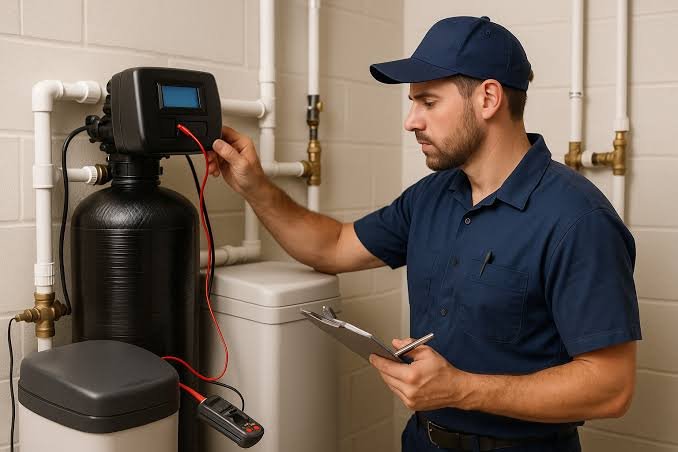
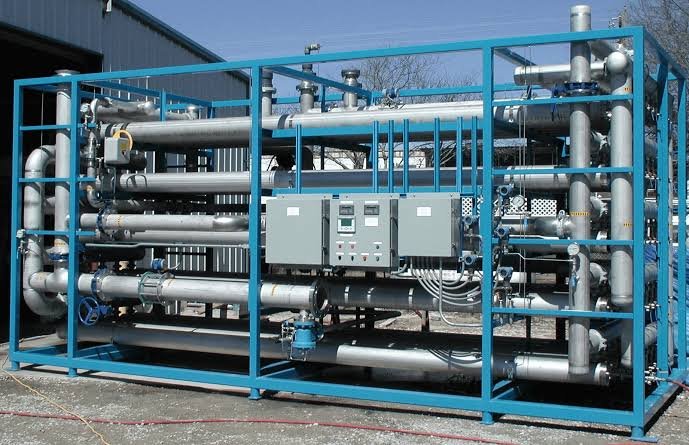
Whole-house systems treat water as it enters the property, which can be useful when the concern affects showers, laundry, fixtures and appliances throughout the home.
Point-of-use systems, meanwhile, focus on specific locations. An under-sink unit in the kitchen may be perfectly reasonable if drinking-water quality is the main priority.
Knowing this distinction makes shopping much easier. Instead of asking, “What’s the best system?” you can ask, “What’s the most appropriate system for this particular problem?”
That’s a much better question.
Don’t Overlook Water Pressure
Water treatment equipment needs adequate pressure to work properly. Some systems can also affect flow depending on their design, condition and maintenance.
If you’ve already noticed weak pressure in the house, it’s worth investigating that issue before installing treatment equipment. Otherwise, you may blame the new system for a plumbing problem that was already there.
A professional assessment can look at incoming pressure, plumbing configuration, existing equipment and the proposed treatment method. It’s not the most exciting part of the process, but it can prevent headaches later.
Think About Installation Space
Water treatment equipment needs a home of its own, so to speak.
Some systems require space near the main water line, while others are installed beneath a kitchen sink. Larger whole-house equipment may need access to drainage and an electrical connection, depending on the design.
Don’t assume that because something fits physically, it’s automatically suitable. Technicians also need enough room to install, inspect and eventually service the equipment.
Planning for access is especially important in cramped utility rooms. A system that requires a technician to squeeze behind a water heater every time a filter needs attention isn’t exactly convenient.
Maintenance Is Part of the Deal
Every treatment system requires some level of care. Filters eventually need replacement. Softener systems may require salt or other consumables. Reverse osmosis membranes have a service life and need periodic replacement.
Maintenance isn’t necessarily difficult, but it shouldn’t be ignored.
Ask how often the system needs servicing, what replacement parts cost and whether those parts are easy to obtain. If professional maintenance is recommended, find out whether reliable local service is available.
A system that’s properly maintained is much more likely to provide consistent performance over the years.
Consider the Long-Term Cost
Initial price is only one piece of the puzzle.
A low-cost system might require frequent filter changes, while a more expensive unit could have lower ongoing costs. Installation, replacement components, electricity, salt and professional service can all contribute to the true cost of ownership.
On the other hand, spending more isn’t automatically smarter. You don’t need a highly complex setup filled with features that don’t address your actual concerns.
The best investment is usually the one that balances performance, reliability, maintenance and household needs.
Give Yourself Room to Reassess
Water quality can change. Wells can be affected by seasonal conditions, plumbing can age, and municipal supplies can undergo changes. Even your own household can change as people move in, move out or simply start using more water.
So don’t treat water treatment as a decision you make once and forget forever.
Periodic testing can provide reassurance and reveal whether your existing approach is still doing its job. If the water suddenly tastes different, develops an unusual odor or starts causing new staining, investigate rather than assuming the equipment is fine.
Making the Final Choice
A sensible water treatment decision starts with information, not advertising.
Test the water. Understand the source. Consider how much water your household uses. Identify the specific problem and then compare technologies that are designed to address it. Finally, think about installation, maintenance and long-term costs.
It may take a little more effort at the beginning, but that’s time well spent. The right treatment solution should fit naturally into your home rather than becoming another complicated appliance you have to worry about.
After all, the best result is pretty simple. You turn on the tap and trust what comes out. You take a shower without wondering about scale. You fill your glass and don’t think twice. When water treatment works that quietly, you’ve probably chosen well.