Most of us only think about plumbing when it misbehaves. A faucet starts dripping at midnight. The shower turns cold halfway through getting ready for work. Or, perhaps worst of all, water appears on the floor and nobody can figure out where it came from.
Until that moment, the pipes are practically invisible.
That’s the strange thing about a plumbing system. It works quietly behind walls, beneath floors, and under sinks every day, carrying clean water where it needs to go and taking wastewater away. When everything is in good shape, there’s very little reason to think about it. But when small changes start appearing, they can be useful warnings.
Learning to notice those warnings—and knowing when professional help makes sense—can prevent a minor plumbing issue from becoming a costly household headache.
Start With the Water You Use Every Day
Water quality isn’t only about whether the water looks clear in a glass. Hard water, sediment, unpleasant odors, and certain contaminants can affect fixtures, appliances, laundry, and everyday comfort.
If you notice white mineral deposits around faucets, spots on shower glass, or scale collecting inside appliances, your water may have a higher mineral content than you’d prefer.
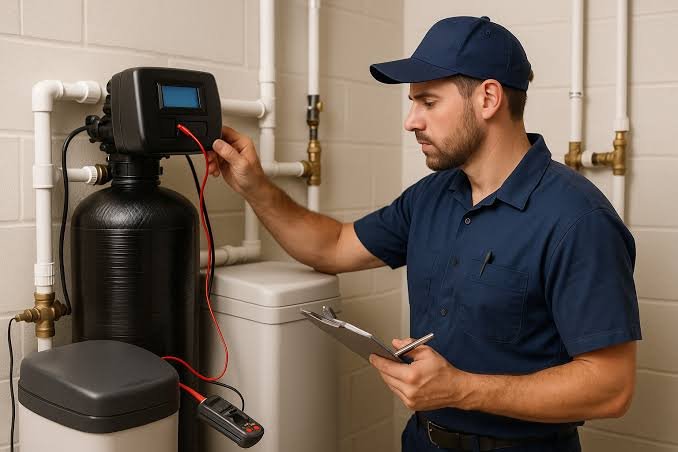
A properly selected water filtration & softening system can address specific water-quality concerns, but the important word is “specific.” Not every household needs the same treatment. Water testing can help determine what is actually present and which solution makes sense.
There’s no benefit in installing equipment simply because it sounds impressive. The goal should be cleaner, more manageable water that fits the home’s actual needs.
Strange Water Pressure Is Worth Investigating
Water pressure tends to become noticeable when something changes. A shower that used to feel strong suddenly seems weak. Maybe the kitchen faucet is barely flowing, while another fixture works normally.
Sometimes the cause is simple—a clogged aerator or partially closed valve. In other cases, low pressure throughout the home can point toward a larger supply problem, damaged piping, a pressure regulator issue, or even a hidden leak.
High pressure deserves attention too. Excessive pressure can put extra strain on fixtures, appliances, and pipe connections over time.
If the change is sudden or affects the entire property, it’s better to investigate than simply get used to it.
Sewer Problems Rarely Improve by Themselves
A sewer problem can start with something surprisingly ordinary. One toilet backs up. A floor drain smells unpleasant. Several fixtures begin draining more slowly than normal.
When multiple drains start behaving strangely at once, the issue may be farther down the system rather than inside one individual fixture.
Professional sewer & gas line services can involve inspection, repair, replacement, and other specialized work depending on the condition of the lines. Sewer problems can sometimes involve tree roots, cracks, collapsed sections, heavy buildup, or aging infrastructure.
Gas lines are a different matter altogether and should always be treated seriously. If you suspect a gas leak, leave the area and follow local emergency guidance rather than trying to diagnose or repair the line yourself.
Some plumbing problems are inconvenient. Gas-related concerns are not something to gamble with.
Your Waterline Deserves Attention Too
Water supply pipes don’t last forever. Their lifespan depends on the material, installation quality, soil conditions, water chemistry, and other factors.
Older homes may have outdated piping materials or connections that are becoming less reliable. Signs of trouble can include recurring leaks, rusty or discolored water, unexplained drops in pressure, damp areas, or visible corrosion.
When a supply pipe repeatedly fails, patching the same section over and over may stop being sensible. In those situations, waterline replacement & repair can provide a more durable solution, particularly when a larger portion of the line is deteriorating.
A professional assessment helps determine whether a localized repair is enough or whether replacement is the better long-term choice.
Don’t Ignore the Space Under Your Sink
Under-sink cabinets are excellent places to discover plumbing problems before they spread.
Every few weeks, take a quick look inside. Feel around the cabinet floor for dampness. Check for water marks, corrosion, swollen wood, or a musty smell. You don’t need special equipment.
The same idea applies to toilets and exposed connections. A small amount of moisture might be caused by a loose fitting, worn seal, or failing supply line.
Catching these issues early is much easier than discovering them after the cabinet has absorbed water for several weeks.
Slow Drains Can Be More Than a Nuisance
A slow drain is easy to tolerate. You wait an extra minute for the water to disappear and carry on with your day.
But repeated slow drainage often means something is building up inside the pipe. Hair and soap are common bathroom culprits, while grease and food particles frequently cause trouble in kitchens.
If a drain keeps slowing down after being cleaned, there may be a deeper obstruction. Repeatedly using chemical cleaners can also be a poor substitute for finding the actual cause.
A professional can determine whether the issue is a simple blockage or something affecting the larger drainage system.
Watch What Your Water Bill Is Saying
A sudden increase in water usage can be an overlooked warning sign.
If your household habits haven’t changed but the bill has climbed noticeably, check toilets, outdoor fixtures, faucets, and visible plumbing connections. A running toilet can waste a surprising amount of water, while a hidden leak may continue unnoticed behind a wall or underground.
You can also check the water meter when every fixture is turned off. If the meter continues registering water use, that’s a reason to investigate further.
It doesn’t automatically prove there’s a leak, but it certainly raises a question worth answering.
Preventive Maintenance Is Usually Less Stressful
Nobody wakes up excited about plumbing maintenance. It’s not exactly the most thrilling item on a weekend to-do list.
Still, basic maintenance can prevent plenty of headaches.
Avoid putting grease and unsuitable materials down drains. Don’t flush items that aren’t designed for toilets. Keep an eye on exposed pipes. Know where your main shutoff valve is located. Pay attention to unusual noises, odors, pressure changes, and recurring drainage problems.
For major plumbing equipment and older systems, periodic professional inspections can also reveal developing issues before they become emergencies.
Think of it like maintaining a car. You don’t wait for the engine to seize before checking the oil.
Good Plumbing Decisions Start With the Actual Problem
One of the easiest mistakes homeowners make is choosing a solution before understanding the problem.
A water filter won’t fix a leaking pipe. Replacing one faucet won’t necessarily solve a whole-house pressure issue. Clearing a single drain won’t address a damaged sewer line.
The better approach is to identify the cause first, then choose the repair or upgrade that fits.
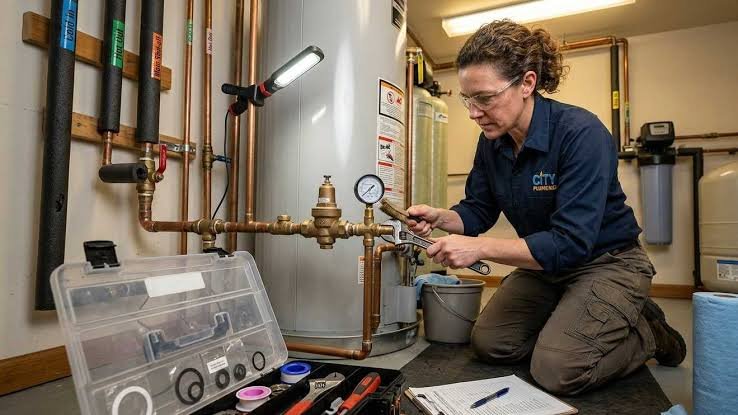
That’s where an experienced plumber can provide real value. Not because every situation requires an expensive solution—it doesn’t—but because good diagnosis prevents wasted effort.
A Little Attention Goes a Long Way
Your plumbing system doesn’t need constant supervision. It does, however, benefit from a homeowner who notices when something feels different.
Water quality changes. Pressure fluctuations. Slow drains. Damp cabinets. Unexpected water bills. Strange odors. These aren’t reasons to panic, but they are reasons to pay attention.
The earlier a genuine problem is identified, the more choices you usually have. A small repair can often be handled without major disruption. Waiting until water is pouring through the ceiling is a very different experience.
Good plumbing isn’t just about fixing what’s broken. It’s about understanding how your home uses water, keeping the system healthy, and making sensible decisions before small warning signs become big problems.
Sometimes the smartest plumbing repair is the one you catch early enough that it never becomes a crisis.